
10 tips on how parents can guide their children to study effectively in a group
Aruna Raghuram
If carried out properly, studying in a group can enhance learning and make it a joyful experience for your child. Here are tips on how to make sure that group study benefits your child
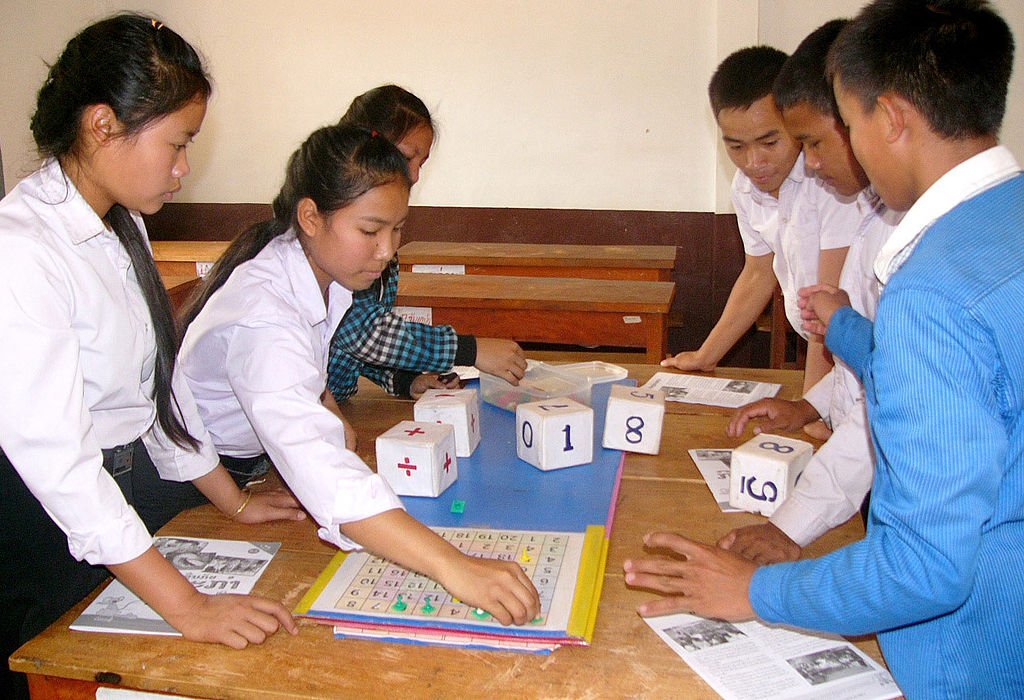
Your child announces that they are going to study for the upcoming exams with a group of friends. You feel skeptical and anxious. You wonder if they will really get any study done or will it turn out to be a chat session?
You don't want to discourage them, but you have to warn them about the pitfalls of studying in groups. So, why not give them a few tips on how to effectively study in a group?
Group study allows students to learn from each other and discuss concepts, which makes them clearer. A child may be too timid to ask a teacher a doubt in class but is likely to open up in a small group of their peers. Moreover, group study can break the tedium of studying on your own.
Backed by science
A study titled 'Group work as an incentive for learning - students' experiences of group work' by Eva Hammar Chiriac, published in June 2014 in Frontiers in Psychology, stated that there are numerous benefits to having students learn and work in groups. The majority of the student participants (97 percent) responded that working in a group somehow facilitated learning - academic knowledge and collaborative abilities, or both. Group study also gave students a feeling of affiliation and belonging.
Benefits of group study
Academic
- Concepts get stronger when you teach someone else
- Children are less likely to delay assignments because they understand that others are relying on them
- Children tend to learn faster as they can reach out to a group member to clarify something they do not understand instead of struggling with it themselves
- Children can compare their class notes with those of the other group members and fill in any gaps
- Working in groups makes it possible to cover more material since each member can study a particular section and explain it to others
- Time and effort spent studying may be more
- Children find out what they know and what they don't. This enables them to spend time in weaker areas
- Children pick up new techniques of learning such as a flashcard app or a trick to memorize data. Note-taking skills may improve by observing others
- Listening and discussing subjects adds a strong auditory dimension to the learning experience.
- Studying in groups helps promote creativity and critical thinking.
Emotional
- One of the biggest disadvantages of studying alone is getting bored. By studying in a group, children can beat boredom which will put them in a more positive mood.
- Studying together reduces anxiety of a test or assignment. School can be stressful and getting support from peers can help children cope better.
Social
- Children learn to collaborate with study partners which helps them later in their careers.
- They make friends with whom they can spend leisure time as well.
Disadvantages of group study
On the flip side, group study may entail distractions or wastage of time. It is not very useful when students are required to memorize study material. Also, the pace of group study may not suit all members. Some children may get too dependent on group study and be unable to study on their own.
How to effectively study in a group
While group study sessions can facilitate learning, they can just as easily turn into chat sessions.
Here are 10 tips on how parents can teach their children to study effectively in a group.
- Limit group size: The optimum size of a study group is four to six students. Children often socialize more in smaller groups. In bigger groups, some group members do not contribute, and organizing a study routine can be a problem.
- Don't keep the session too long: It is best not to study more than 2 to 3 hours at a time when studying in a group. If the session drags on, children may get bored or distracted and start talking about other matters. But study sessions under an hour are not productive either.
- Choose the venue with care: It is best if the session is held in an environment without distractions and where group members can communicate freely. One option is that children can take turns having the sessions in their homes.
- Select the members wisely: Children may be tempted to study only with close friends. But best friends are not always best study buddies. It is vital that you ensure your child chooses his fellow students carefully. Motivated, responsible, and capable students make the best study partners.
- Establish rules: This may not appeal to children and be difficult to implement, but it will make the session more productive. For instance, members could be asked to switch off their cell phones to prevent distractions.
- Set clear objectives and goals: Before each session, members should discuss what they hope to achieve so that the session stays on track. Making timetables and deciding on priority topics are a part of this exercise.
- Prepare well: Group study can be ineffective if members come unprepared. Each member of the study group should review his notes, complete studying the allotted portions from the textbook, and prepare a list of doubts and questions.
- Pick a leader by rotation: One member, by rotation, should be the leader responsible for a particular session. He or she should ensure everybody stays focused and should schedule breaks when necessary.
- Communicate and participate: Every member of the group should actively participate. He or she should be assigned a topic to prepare and explain the topic to others in the group. One or two people should not be allowed to dominate the study session. Talking with peers, asking questions, discussing, and debating - this is what a group study is about.
- Make it enjoyable: Having quizzes, rotating notes, brainstorming study strategies, teaching each other, and answering each other's questions - all these make study sessions interesting and enjoyable.
All in all, the benefits of group study, if carried out optimally, outweigh the disadvantages. However, every child has her own method of studying. Parents need to be supportive of their children's decisions and help them to get the best out of their study time.






























Comments
Edit
Comment Flag
Cancel Update