
Postpartum Care For New Mothers And Babies: Nutrition, Breastfeeding, Sleep, And Tips
Gowri Kulkarni
author parentcircle author parentcircle author parentcircle author parentcircle author parentcircle author parentcircle
The days after childbirth can feel overwhelming, emotional, and beautiful all at once. This guide gently walks new parents through essential postpartum care, from breastfeeding and nutrition to understanding your baby’s needs so you can feel more confident, supported, and prepared during this special phase
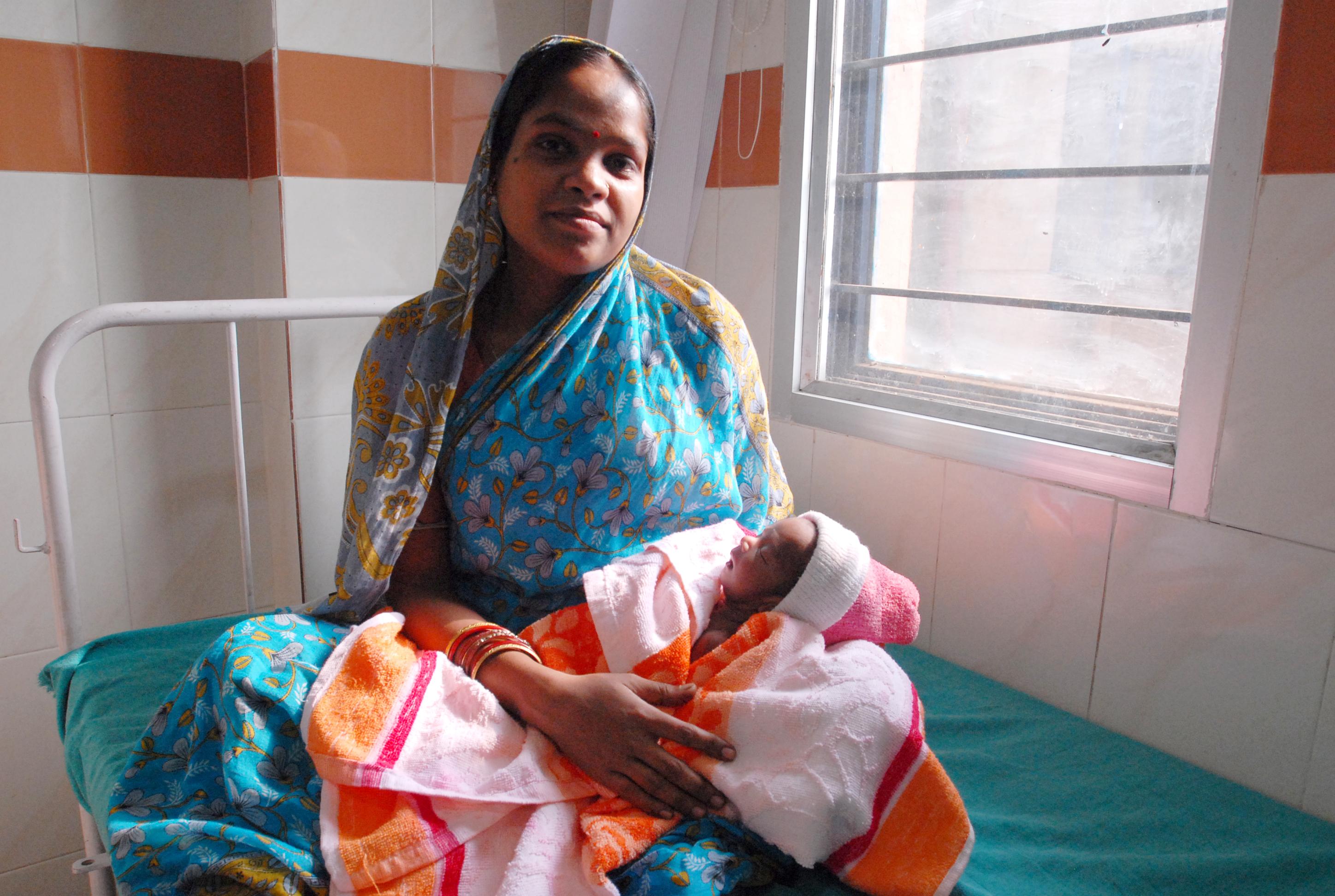
Understanding postpartum changes and emotional adjustment
After childbirth, it is natural for women to feel a mix of stress, worry, and uncertainty. These feelings usually settle down in a few days as you slowly adjust to the changes. Most mothers instinctively find their way and learn to adapt with time and care.
While these changes are natural, the right guidance can make this journey smoother.
Where to find support and reliable information as a new parent
Today, information on caring for oneself and the baby can be found from various sources. If your family is not around, you could consult a doctor for any doubts. Also, there are great health blogs available online that can help new mothers cope with these changes and adjust to their new role.
Why early breastfeeding is important for your baby
Benefits of colostrum and early feeding
The new mother must initiate breastfeeding within one hour of birth. This ensures that the infant receives "colostrum", the first milk, which is rich in protective substances. Breastfeeding boosts an infant's immunity and safeguards them from illnesses. It also helps to create a close bond between the mother and child, also known as maternal bonding.
Nutrition tips for new mothers during postpartum recovery
Foods to include for strength and recovery
First and foremost, a lactating mother should have food rich in protein, calcium, iron, and multivitamins.
Foods and habits to avoid during this phase
- Alcohol and smoking
- High-caffeine food and beverages
- High-calorie foods
- Include plenty of fresh fruit, vegetables, milk and milk products, fish, poultry, nuts, whole grains, parboiled rice, beans, and lentils.
- Resist the temptation to diet or medicate for quick weight loss. Minimal exercise can help.
Importance of hydration for breastfeeding mothers
A new mother should ensure she is always properly hydrated. Drink enough water to quench thirst plus a bit more, since thirst is not a completely reliable indicator of fluid needs. Milk-producing hormones help the body conserve water. However, failure to drink enough water will not affect the fluid content or the volume of your milk. But not getting enough fluids can contribute to maternal constipation, fatigue, and impaired concentration.
Understanding your baby’s growth and development milestones
While watching your infant grow is a wonderful experience, be aware of their developmental milestones. It helps you keep track of their growth and development.
How to care for your newborn baby effectively
Feeding frequency and parental involvement
Keep a watch on feeding times. You can feed your baby small quantities at frequent intervals, 8-12 times a day. Ask for help if you need it, and both parents must be involved in caring for the baby.
Sleep needs for babies and new mothers
- 0-2 months: 12-18 hrs
- 3-11 months:14-15 hrs
- 1-3 years: 12-14 hrs
- A lactating mother should sleep 7-9 hrs a day
Signs your baby is feeding well
There are many ways to know if your baby is feeding well:
- Baby feeds at regular intervals, 8-12 times a day.
- Your breasts feel softer and less full after feeds.
- Baby looks a healthy colour, and has firm skin that bounces right back if you pinch it gently.
- Your baby is wetting two or three nappies in the first 48 hours, and this is more frequent in the forthcoming days. Once the baby is more than 5 days old, they should have at least six wet nappies every 24 hours. The baby's urine should be pale and odourless.
How to identify your baby’s hunger cues
- Hunger cry is usually short, low-pitched, and rises and falls
- Wakes up and becomes restless
- Sucking on the fist, smacking the lips
- Rooting
- Closing up lips
- Turning the head away
- Breathing fast
Choosing safe and comfortable clothing for mother and baby
- Choose comfortable fabrics
- Avoid tight elastics
- Make sure clothes are well-seamed
- Avoid clothes that can scratch the baby's skin
- Avoid choking hazards
- Mothers can wear breastfeeding garments for ease of nursing, such as nursing bras and nursing night suits.
Are home remedies safe after childbirth?
Home remedies may be safe, but sometimes they have no effect. So, if you're in pain or sick, the best thing to do is to consult your doctor. If you can't make it to the hospital, you can even consult a doctor online with the help of portals like DocsApp.
It's always better to be safe than sorry.
When to schedule doctor visits for mother and baby
- Birth examination
- Routine checkup for Immunization
- A postnatal check-up at 6 weeks is required for the mother.
Parent Checklist
- Initiate breastfeeding within the first hour after birth
- Feed your baby 8–12 times a day in small, frequent intervals
- Watch for signs that your baby is feeding well (wet nappies, active feeding)
- Eat a balanced diet rich in protein, calcium, and iron
- Stay well hydrated throughout the day
- Avoid alcohol, smoking, and excess caffeine
- Get adequate rest whenever possible
- Involve both parents in baby care routines
- Choose soft, safe, and comfortable clothing for your baby
- Be cautious with home remedies and consult a doctor when unsure
- Track your baby’s sleep and feeding patterns
- Schedule timely doctor visits and immunizations
Last updated on: April 07, 2026































Comments
Edit
Comment Flag
Cancel Update