
Indian Diet Plan For Lactating Mothers And The Foods To Avoid While Breastfeeding
Breastfeeding mothers must follow a good diet plan to increase breast milk and its quality. Here is a list of foods lactating moms should include in their daily diet. Also, check out the list of foods to avoid while breastfeeding
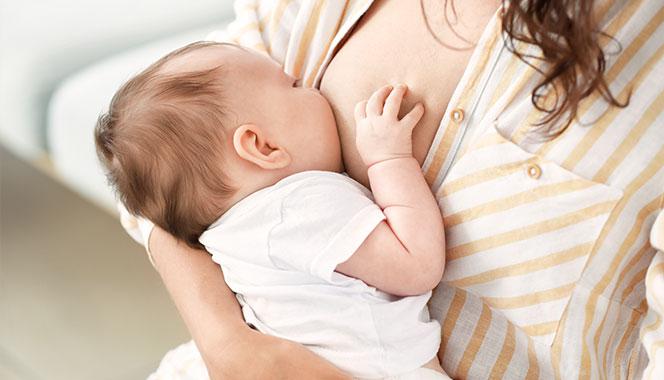
The calorie intake for an average Indian woman is 1,800-2,000 kcal. Did you know that a lactating mother requires an additional intake of 550 kcal per day? Since they produce 2-3L of milk every day, new mothers need to have a wholesome, nutritious diet. Also, many Indian foods help increase the quality of breast milk in mothers.
Good maternal nutrition is vital for the health and reproductive performance of women, as well as the well-being of their children. However, these reproductive years are periods of nutritional stress for many Indian women. Pregnancy-related health and nutritional problems affect the quality of their lives and that of their infants well beyond delivery. Therefore, emphasis must be given to the foods for breastfeeding mothers to increase breast milk.
Here is a list of some of the best Indian foods to increase breast milk for breastfeeding mothers, along with their nutritional content. Also included are a diet plan chart for lactating moms and a list of foods to avoid while breastfeeding.
Best foods for breastfeeding mothers
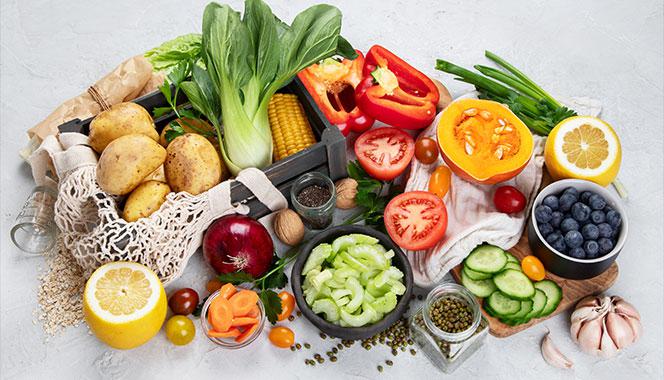
1. Foods rich in iron
| Vegetarian sources (non-heme iron) | Possible options |
| Cereals | Rice bran, rice flakes, puffed rice, buckwheat, whole wheat, oats, and maize |
| Pulses | Chickpeas, soya beans, red kidney beans, Bengal gram (dal and roasted), cowpeas, whole green gram, sprouts, black gram, and horse gram |
| Nuts and seeds | Almonds, cashew nuts, dried coconut, figs, raisins, and sesame seeds |
Note: Consume tea and coffee at least one hour after your meal, as they decrease iron absorption.
Include foods rich in vitamin C, such as gooseberries, guavas, limes, sweet limes, oranges, broccoli, and tomatoes, to enhance iron absorption.
2. Foods rich in calcium
| Calcium sources | Possible options |
| Cereal grains | Finger millet (ragi) |
| Pulses and legumes | Bengal gram whole, black gram dal, green gram whole, horse gram, moth beans, kidney beans, and soya bean |
| Green leafy vegetables | Amaranth, cauliflower, colocasia, fennel, turnip greens, curry leaves, fenugreek leaves, drumstick, mustard greens, betel leaves, and tamarind leaves |
| Other vegetables | Field beans, chayote, marrow, dry lotus stem, and celery |
| Nuts and oilseeds | Almonds, walnuts, dry coconut, gingelly seeds, mustard seeds, poppy seed, and pistachio |
| Fruits | Apricot (dry), dates, lime, wood apple, and raisins |
| Dairy products | Milk and curd |
3. Foods rich in protein
| Protein sources | Possible options |
| Lean meat | Chicken breast (without skin), fish (non-fried), and eggs |
| Dairy products | Low-fat milk and other milk products such as curd, paneer, and cheese |
| Soya | Soya milk, tofu, soya beans, chunks, and granules |
| Nuts | Roasted almonds and walnuts, and unsalted groundnuts, etc. |
| Beans and pulses | Red kidney beans, chickpea (channa and Bengal gram), horse gram, black gram, cowpea, and green gram (all whole) |
| Mixed grains | Sprouts, green and dried peas, and split gram (dal) |
Note: In cases of bloating and excessive flatulence, consider using sprouted pulses and soaked dal.
4. Vegetables and fruits to increase breast milk
| Vegetables | Fruits |
Green leafy vegetables like:
Other vegetables like:
|
|
Diet for breastfeeding mothers
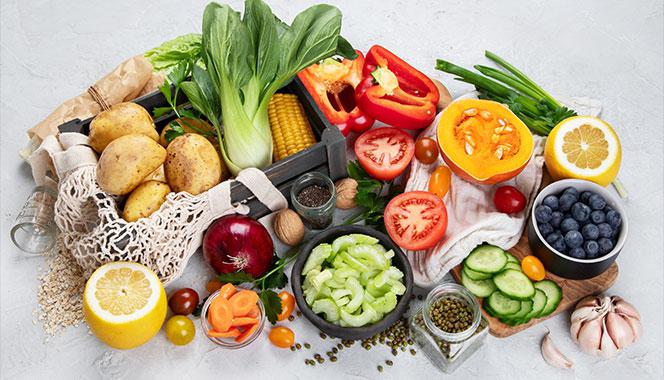
Include these foods in your daily diet while nursing your baby:
- Eat a variety of foods from all food groups (cereals, pulses, dairy, fruits and vegetables, oils and nuts, and sugar).
- Fluid intake of at least 3L per day (including water, juice, soups, buttermilk, lime water, and milk) is a must.
- Have small, frequent meals, three major meals, and 2-3 minor snacks per day.
- Maintain a 1-2-hour gap between dinner and bedtime.
- Have at least one portion of dry fruits (raw, peeled almonds, walnuts, two figs, raisins, etc.) daily.
- Incorporate seasonal fruits and vegetables to meet the requirements of vitamins A, E, and C, as well as B complex. Consume fruits mid-morning or evening only.
- Have a combination of cereals (rice, whole wheat, broken wheat, ragi, jowar, and oats) for both meals.
- Restrict foods containing too much saturated fat (butter, ghee, cheese, or cream), ready-to-eat foods that contain preservatives, deep-fried foods, dried coconut, alcoholic drinks, soft drinks, savories, sweets, packaged juices, and white sugar.
- Limit intake of coffee and tea to keep a check on weight gain.
- Avoid taking any medicine or herbal supplements without consulting your doctor/dietician.
Note: Include galactagogues (the substance that improves lactation) such as garlic, fenugreek, fennel, flax seeds, pumpkin seeds, oatmeal, and dill (shepu leaves).
Diet chart - sample
| Dietary Recommendations for Lactating Women |
| Nutrition requirement | Lactation month |
| Energy (kcals/day) | 0-6 months - 2000 6-12 months -1800 |
| Protein (gm/day) | 0-6 months - 80 6-12 months - 70 |
| Visible fat (gm/day) | 0-6 months - 30 6-12 months - 30 |
| calcium (mg/day) | 0-6 months - 1200 6-12 months - 1200 |
| Iron (mg/day) | 0-6 months - 25 6-12 months - 25 |
| Folic acid | 0-6 months - 300 6-12 months - 300 |
This diet will provide 2000 kcals of energy, 80g of protein, and 30g of fat.
| Sunrise |
Mealtime: 6:00 am
Menu: 1 glass of warm water and 6 almonds
(blanched and peeled)
Mealtime: 7:00 am
Menu: 1 cup light tea/coffee/milk (skimmed milk)
| Breakfast |
Mealtime: 8:00-8:30 am
Menu:
4 idlis (brown or red rice or rava) with 2 tbsp gram chutney and 1 ladle of sambar
or
3 wheat/ragi/plain/pesaratu dosas with 2 tbsp gram chutney and 1 ladle sambar
or
2 chapati/paratha with 1 cup vegetable and 1 cup curd/raita
or
2 chapati/paratha with 1 cup vegetable and 1 cup curd/raita
or
2 slices brown bread/multigrain with paneer or tofu/omelet made of egg white or 1 boiled egg
or
1 cup vegetable upma (broken wheat/oats/semolina) or 1 cup poha with 2 tbsp gram chutney
or
1 cup porridge (oats/broken wheat) or wheat flakes with milk (skimmed)
or
2 ragi rotis (with onion and vegetables) with 2 tbsp gram chutney
| Mid-morning |
Mealtime: 11:00-11:30 am
Menu: Buttermilk/vegetable juice, 1 cup of salad/cut fruit, and mixed dry fruits (50g of raisins/dates/figs/walnuts)
| Lunch |
Mealtime: 1:00-1:30 pm
Menu:
3 medium-sized chapatis
or
1 cup of rice and 2 chapatis
or
1 cup broken wheat or millet rice (kichdi/pongal or pulao) with 1 cup sambar or dal (whole dal/soya bean/chole/paneer/tofu)/2 cups vegetables (one green leafy vegetable), 1 cup salad, and 1 cup curd
Note: Non-vegetarian dishes like 2 pieces of fish/steamed/boiled, or grilled chicken can be eaten on alternate days.
| Evening tea |
Mealtime: 4:00 pm
Menu: 1 cup of tea/coffee/milk with 2 biscuits (oats, ragi, multigrain)/1 cup of puffed rice
| Sunset |
Mealtime: 5:30-6:30 pm
Menu: 1 cup of vegetable soup and boiled sprouts/2 boiled egg whites
| Dinner |
Mealtime: 8:00-8:30 pm
Menu: 2 medium-sized chapatis/multigrain dosas (ragi, wheat, jowar, and millet) with 1 cup of dal, 1 cup of vegetable, and 1 cup of salad
| Nightcap |
Mealtime: 10:00 pm
Menu: 1 cup milk (skimmed)
Instructions:
|
Foods to avoid while breastfeeding
Certain foods cause indigestion, gas trouble, or allergy, and must be avoided by nursing mothers because they may make the baby sick.
- Foods containing monosodium glutamate
- Deep-fried or fatty foods
- Alcohol
- Excess tea and coffee, since tannin and caffeine inhibit the absorption of micronutrients
- Peanut/egg/soya/mushroom because they are common allergens
Herbal home remedies
The practice of giving lactating mothers age-old remedies still exists in many Indian households. Herbs and spices such as cumin, oregano, fennel seeds, mint, ginger, garlic, fenugreek, pepper, and turmeric are used in general, which increases milk production.
Alcohol consumption
Regular intake of alcohol decreases milk production by 20%. In case a nursing mother consumes alcohol occasionally, a time lag of 2 to 3 hours per unit after drinking must be maintained before nursing. This time is essential for the alcohol to be eliminated from the breast milk.
Supplements
A diet rich in iron and calcium is generally sufficient for lactating mothers who are breastfeeding. However, mothers who get an inadequate supply of these nutrients must take iron and calcium supplements.
Tip to stay healthy
Eat fresh, home-cooked food while nursing, with five kinds of vegetables and three kinds of fruit daily. Also, drink 3-4 glasses of milk every day.
Eat a healthy diet while you are breastfeeding because what you eat determines the health of your baby.
Last updated on: Aug 8, 2025
About the Authors: Dr. Savitha Shetty is a Consultant in Gynecology and Obstetrics, and Ms. Pavithra N Raj is a certified Dietitian.
































Comments
Edit
Comment Flag
Cancel Update