
Ways To Include Nutritious Traditional Indian Ingredients In Everyday Cooking
Amrita Gracias
Traditional Indian ingredients, although no longer used regularly, are power-packed with health and nutrition. Here we list some that you can include in your daily cooking
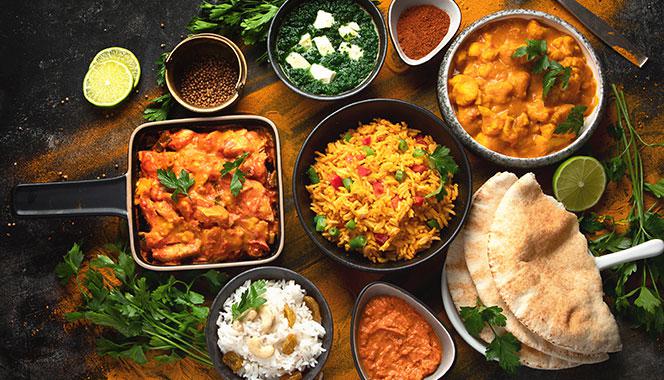
Be it amaranth, kokum, jackfruit seeds or certain millets, in our urban lives, traditional ingredients no longer find a place. These ingredients used to be an integral part of the Indian kitchen till a few decades ago.
Today, faster and easier cooking methods have become more popular, owing to convenience. Moreover, the convenient foods that we so often turn to unfortunately don't match up in nutritional value. This means our children do not benefit from the nutritive and nourishing effect of traditional ingredients.
So, do you want to give your children the goodness of some of these traditional foods and grains? Actually, these are not that difficult to cook or include in our daily diet.
Most convenient ingredients are stripped off nutrients because of the processing techniques meaning, these provide no nourishment or benefit. Whats more, these foods may or may not contain preservatives, which just adds to the overall negatives, says Priya Kathpal, nutritionist and founder of Nutrify.Therefore, we must attempt to include these simple yet wholesome ingredients in our regular intake. Traditional ingredients are extremely nutritious, being local and seasonal. They can help treat lifestyle disorders and also provide high levels of nutrients for growing kids, says Priya.
So, why are these foods hardly consumed any more? They are no longer easily available, people don't know how to cook and what to cook with them, says Priya.
Here are some traditional ingredients that you can use |
1. Amaranth Grain (Rajgira)
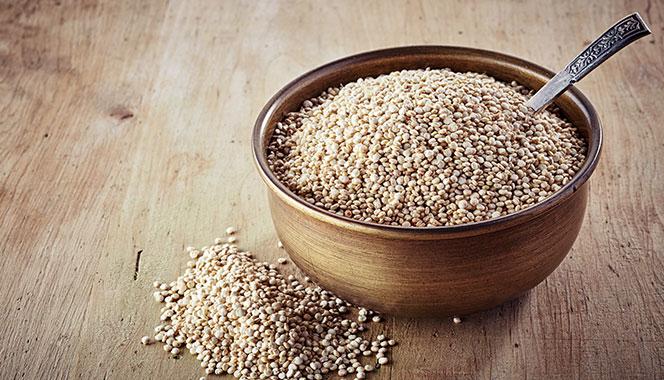
One of the oldest cultivated foods, amaranth seeds are packed with nutrients. The seeds are gluten-free and contain significant amounts of calcium and lysine (an essential amino protein for the body) making this a complete protein. The seeds can be popped to make popcorn or made into a porridge for breakfast.
2. Foxtail Millet (Kangni)
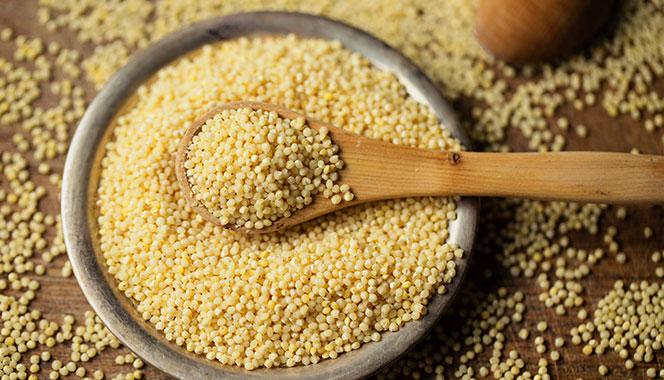
Another staple traditional food, this millet is rich in dietary fibre, protein and low in fat. It is diabetic-friendly and has been shown to protect against cancers too. This millet can be simply steamed and consumed like rice. Or, add in the form of flour to rotis, payasam, porridge or even for baking biscuits.
3. Barnyard Millet (Sanwa)
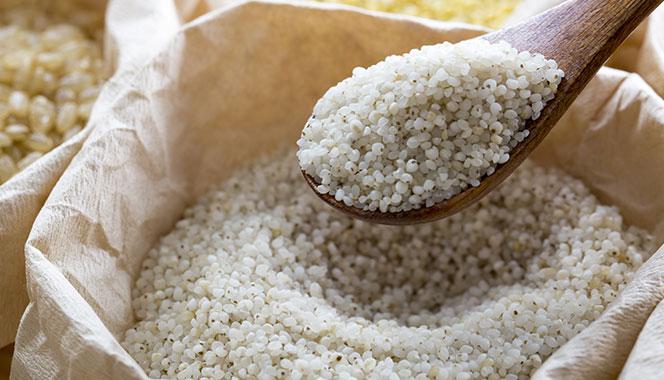
This type of millet is gluten-free, low in calories and carbohydrate content, and rich in dietary fibre. It also provides a great deal of iron. When compared to other millets, barnyard has the lowest glucose and triglycerides levels. It can be made into an upma or pongal or added to idli /dosa batter and even chapatti dough. It is a wholesome food for babies when made into porridge.
4. Dried Pomegranate Seeds (Anardana)
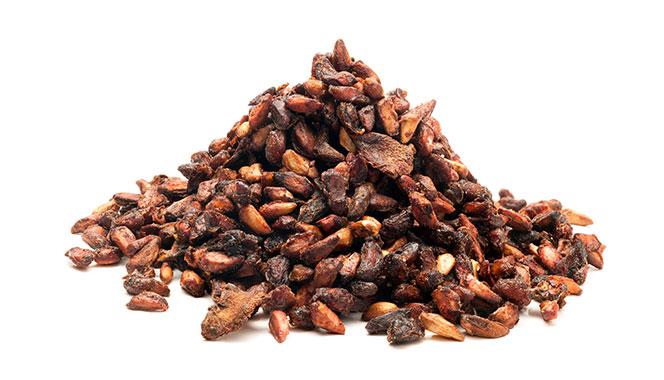
These are high in antioxidants, rich in iron, potassium, folic acid and Vitamins C and K. The ground seeds can be used in chutneys, soups and gravies. They can also be used as an alternative to raisins for baking or as a garnish on salads and raitas.
5. Dried Kapok Buds (Marathi Moggu)
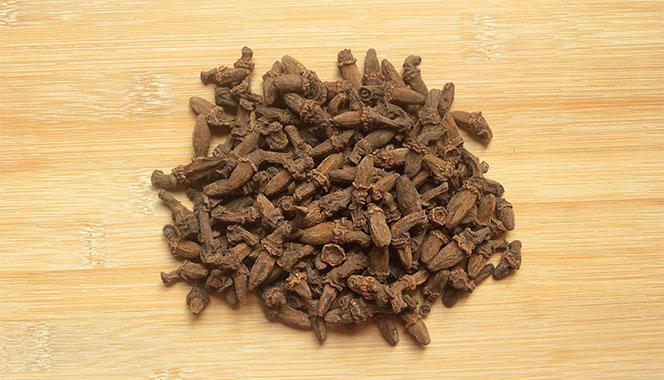
These are Indian capers that are the dried buds of the Kapok tree. They contain high amounts of vitamins E and K. They are known to fight disorders like anaemia and skin diseases. They are tempered in oil for their fragrance to be released. Or, can be roasted or ground with other spices into masalas and added to various dishes.
6. Finger Millet (Ragi / Nachni)
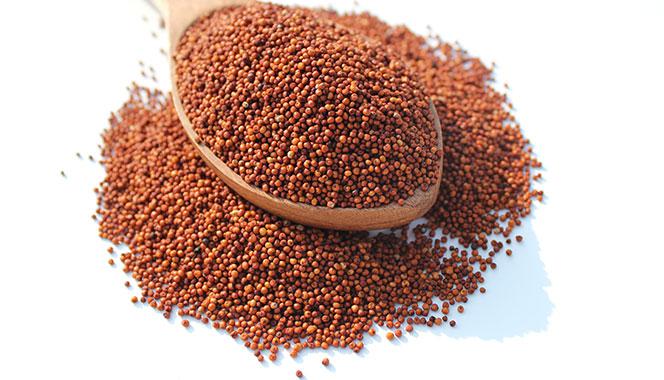
Popularly referred to as ragi, this super grain is another gluten-free food that is a rich source of carbohydrates. It also contains methionine, which is an amino acid that is absent from other staple foods like rice. Ragi flour can be made into chapattis or porridge for breakfast. Another interesting way is to use ragi flour in cookies or biscuits a healthier alternative for children.
7. Jackfruit Seeds (Katahal)
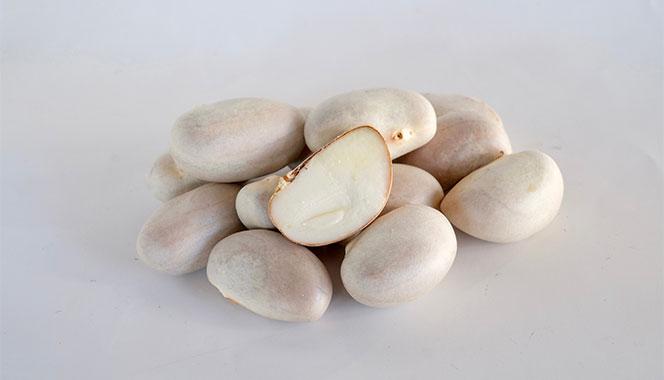
The seeds of the jackfruit are highly nutritious and a great source of thiamin and riboflavin (vitamin B-complexes), essential for healthy eyes and skin. They also contain minerals such as iron, zinc, calcium and magnesium. Once cooked, the seeds are similar to chestnuts and make for a healthy snack. They can even be cooked in curries or added to other vegetable and meat preparations.
8. Sorghum (Jowar)
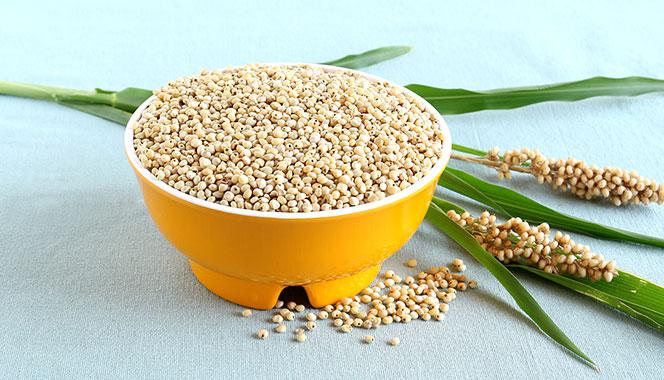
A popular traditional grain, jowar has several nutrients that include dietary fibre, iron and phosphorus. It is also high in protein and is cholesterol-free. The kernels of jowar can be steamed and added to soups. The ground flour can be used in porridges, with other flours for chappatis or as a substitute for wheat flour in baking.
9. Fox nuts or lotus seeds (Makhana)
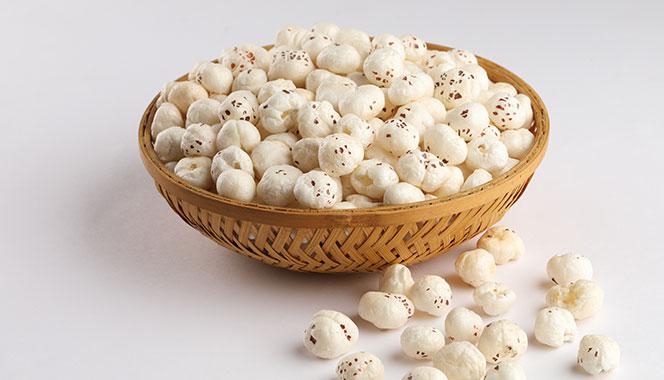
These are seeds of the lotus flower and can be consumed after processing. They are low in calories, fat and sodium but high in calcium, potassium and magnesium. They are also rich in fibre and contain several antioxidants. The seeds can be dry-roasted and eaten as a snack or added to vegetable curries or traditional sweets like payasam and other desserts as well.
10. Kokum
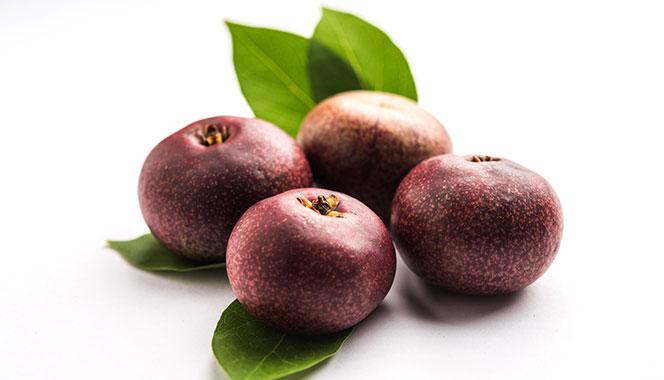
Referred to as Malabar tamarind, this sour fruit is rich in antioxidants and contains high amounts of fibre, carbohydrates, acetic acid, Vitamin B complexes, potassium and manganese. The pulp of the kokum fruit can be made into a concentrate for a sherbet, which makes for a refreshing drink. The dried fruit can be used as a souring agent in dals, vegetables or seafood curries.
| So, next time you visit the grocery store, remind yourself to buy some of these lesser-known ingredients and give them pride of place in your kitchen. You and your family will benefit immensely from including these traditional foods, seeds and grains in your daily diet. |




























Comments
Edit
Comment Flag
Cancel Update