
Causes, symptoms and treatment for blood infections in children and how it can be prevented
Team ParentCircle
Infections that occur when microorganisms enter the blood can have serious consequences and children are especially vulnerable. Here, Dr Sunil Bhat and Dr Archana M V answer questions on these infections
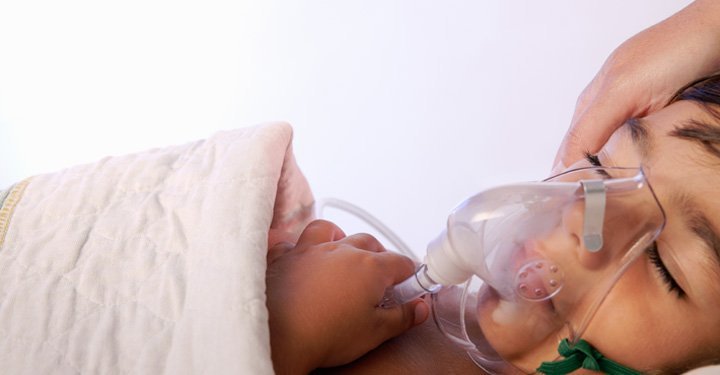
Bloodstream infections are one of the most serious forms of infections and are associated with hospitalisation and prolonged treatment. Also known as sepsis or blood poisoning, these occur when microorganisms enter the bloodstream and cause organ dysfunction. The microorganisms that cause blood infections could be bacteria, virus, or fungus - but the most common cause is bacteria.
Here two experts from the field, Dr Sunil Bhat and Dr Archana M V answers a few commonly asked questions about sepsis:
Who are most vulnerable to this infection?
A bloodstream infection can affect any person, at any time. Yet, children, especially newborns, are more vulnerable to it. This is because their immunity levels are low. Apart from that, children, who have not been vaccinated; those below two years of age, whose immune systems has not yet fully developed; and in rare cases, children with immunodeficiency disorders (genetic diseases) are more prone to a bloodstream infection.
How does a child contract a blood infection?
Commonly, microorganisms enter the blood through the skin, respiratory tract, gastrointestinal tract or urinary tract. The infection can occur in any part of the baby's body, like the lungs, bones, joints, abdomen, brain, urinary tract, or the skin. If undetected, blood infection in children can harm organs like the kidneys, liver, brain or even the lungs. It can be fatal, if not diagnosed and treated in time.
What are the symptoms of this infection?
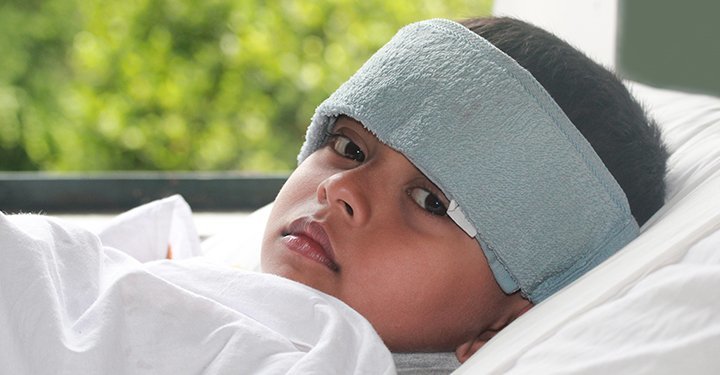
A child with a blood infection will have high-grade fever associated with chills and shivering. Other symptoms will depend on the site of infection. Later, the child may develop the following signs:
In a small child:
- Refusal to feed
- Breathing difficulty
- Fever
- Persistent vomiting
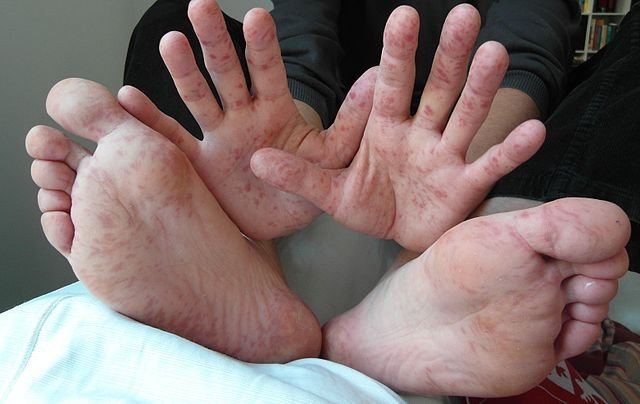
- Skin rashes - red spots
- Pale looking skin with cold hands and feet
- Less than usual responsiveness to the mother; drowsiness
- Seizures
In older children, sepsis is less common, unless they have a severe infection in some parts of the body, like the lungs, bones or brain. The signs to look out for are:
- Decreased activity, extreme weakness, confusion
- Dizziness
- Fever and chills
- Breathing difficulty
- Unresponsiveness, seizures
If sepsis is not diagnosed at an early stage, the child may have internal bleeding, a fall in blood pressure or a shutdown of kidney functions.
What type of skin infections can cause blood infection?
Normally, the skin acts as a barrier and plays an important role in preventing infections. Any cuts and wounds in the skin could make your child vulnerable to skin infection, which, if not taken care of, could lead to a bloodstream infection. There are a few bacteria residing in the skin called commensals, which can enter the blood through skin wounds and cuts, especially the deep ones, and cause infection.
Certain dermatological conditions like eczema can also interfere with the skin barrier function and cause infection.
How is a bloodstream infection diagnosed?
When a bloodstream infection is suspected, the child must be admitted in hospital and put through a series of blood tests. There are certain markers (C-reactive protein) which are elevated in sepsis. The confirmatory test is a blood culture that would tell doctors which microorganism is causing the infection and also what medicines can be used to treat it.
Other tests are:
- Routine blood counts, clotting testing
- Chest X-ray - if pneumonia is suspected
- Urine culture in case of urinary tract infection
- Abdominal scanning
- Spinal tap and fluid analysis in case of brain infection (meningitis)
What are the treatment options for bloodstream infections?
Timely treatment is essential in any suspected case of a bloodstream infection. While the lab tests are awaited, the child has to be given intravenous antibiotics to fight the infection to reduce further damage to the vital organs.
Supportive care is an important part of sepsis management. This includes:
- Oxygen and ventilator support for breathing issues
- Intravenous fluids to maintain hydration
- Medicines to control fever
- Medicines to improve heart function and keep blood pressure normal
- Blood product transfusion, if there is bleeding
The antibiotic therapy will be modified once the microorganism causing the infection is identified. With appropriate antibiotic therapy and good supportive care, the child will improve in 3-4 days. But it is important to complete the course of antibiotics and return for follow-up visits.
If the child gets such bloodstream infections repeatedly, it is important to evaluate him for any underlying infection or immunodeficiency disorders.
How can blood infections in children be prevented?
Prevention is always better than cure. Here are some simple steps to prevent bloodstream infections:
- Maintain good personal hygiene
- Clean cuts and wounds with antiseptic and apply antibiotic cream
- Don't let the child pick at boils or sores
- Give your child good nutritious food, which will boost her immune system, as underweight and malnourished children are more prone to develop infections
- Make sure the child gets all her vaccinations on time, as this will help prevent bloodstream infections to a certain extent
If despite all your care, you notice any signs of sepsis in your child, consult your doctor immediately. If detected early, sepsis can be easily cured.






















Comments
Edit
Comment Flag
Cancel Update