
10 Best Baby Foods To Support Healthy Growth And Development In Your Little One
Kumudam Berkin
Feeding babies can be fun if you know exactly what to give them. Here are 10 tasty, healthy foods your baby will love—perfect for happy tummies and strong little bodies
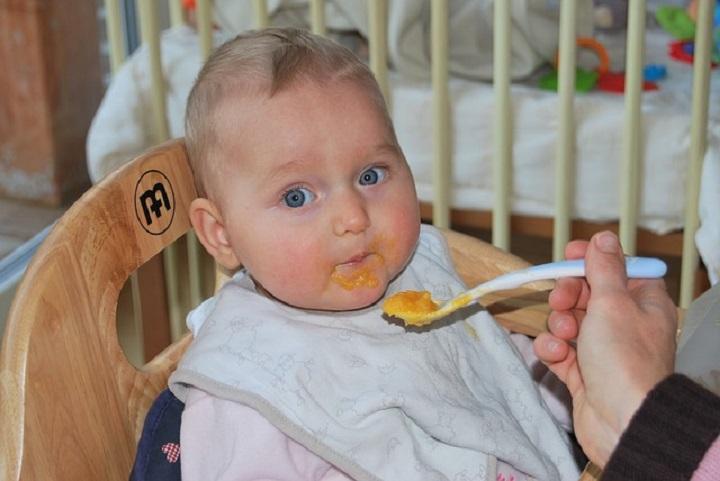
Every mother wants the best for her baby. Right from the moment a baby is born, the mother is bombarded with advice on what to feed and what not to. Initially, a baby is only breastfed, but at five months, semi-solid to solid foods can be given.
But how would you know what foods to give your baby until they turn two? Once your baby is five months old, nutritious solid foods can be introduced alongside mother's milk. Simple meats, veggies, and pulses are loaded with vitamins and proteins. However, like adults, babies and toddlers need variety. Therefore, it is critical to provide them with a range of tasty and healthy food options so that they enjoy their meals.
The 10 best foods for your child
1. Pulses or dals: Research shows that formula food available in the market cannot replace fresh home-cooked dals. A simple dal boiled with turmeric and salt, and tempered with a little jeera, goes a long way in building a strong immune system. Your baby can have it either as a soup or mixed with mashed rice. Dals contain an abundance of proteins, which are vital for your baby's growth.
2. Steamed idlis: Idlis made of rice are soft to chew and easy to digest. You can give your child idlis with some ghee. While rice provides fibre, protein, and carbohydrates, ghee aids digestion.
3. Yellow vegetables: Yellow-coloured veggies such as squash or bell peppers are rich in antioxidants and also improve eyesight. Mash them along with moong dal to make khichdi. For an older child, you can add bell peppers to your homemade pizza.
4. Eggs: Boiled, scrambled, or fried, make sure you add this super-food to your child's daily diet so they get the required amount of DHA. Egg yolk is rich in DHA, which is vital for the growth and development of a child.
5. Fresh fruits: A bowl of mashed seasonal fruits makes a delicious snack. You can also add non-native fruits such as avocado or strawberries, which are readily available in most cities nowadays. If your child is older, serve them fruits without peeling them, as the skins contain large amounts of nutrients.
6. Dates: Dates are rich in iron. So, the next time your toddler craves some candy, give them some dates.
7. Grains: Baby oats and finger millet (ragi) are very nutritious. They can be offered as a warm porridge topped with some dry fruits.
8. All other vegetables: Introduce different varieties of veggies to your child early on.
9. Poultry and fish: Cooked shredded chicken and steamed fish can be given to children after they turn one. Chicken is a good source of protein, and fish is rich in omega-3 fatty acids.
10. Dairy: Regular intake of yoghurt, which is rich in calcium and vitamin D, is very good for a child's digestive system. Plain homemade yoghurt without sugar is a healthier option.
Along with the above-mentioned foods, your child must also drink an adequate amount of water to stay hydrated. You can also give them fresh juices, but dilute them with water for easier digestion.
Although children love to eat food that tastes good, they are also fond of foods presented in various colours and shapes. Food cutters and cookie cutters available in the market can help you do this without hardly any practice. You can cut interesting shapes out of bread and vegetables to make the food look more interesting and enticing.
Remember, always try to add a healthy twist to your child's meals, and once they can understand, explain what they are eating and why. This will help in instilling healthy eating habits from a very young age.
Last updated on: July 31, 2025
Have insights, questions, or tips to share? Join the discussion on nutrition here.





























Comments
Edit
Comment Flag
Cancel Update