
Worried about single parenting your child? Here are tips on how you can tackle the lows and enjoy the highs
Divya Sainathan
Divya Sainathan is a writer and editor with a special interest in early childhood education.
Single parenting, whether by choice or circumstances, is no doubt stressful and challenging. Still, single moms and dads are quite capable of raising strong, mature, empathetic human beings
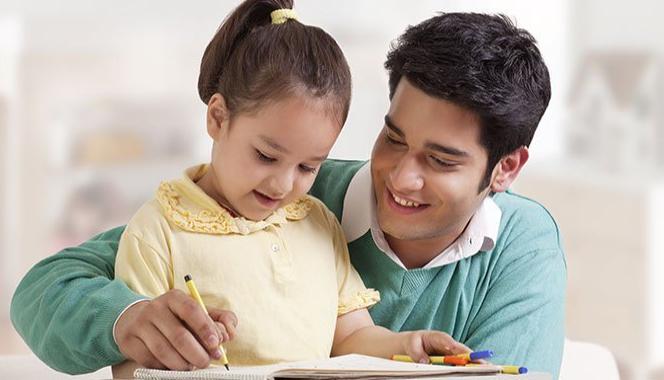
"Single parenting is a dangerous concept for society." A sitting judge of the Madras High Court made this questionable observation on 11 August 2018, while hearing a case that had nothing to do with single parents.
The judge's words reflect the inherent bias in the prevalent attitude towards single parents even today. Popular discourse is rife with unflattering assumptions and stereotypes about single parents, especially single mothers. It's time we changed our perceptions of single parenting - embattled single parents are quite capable of raising strong, mature, empathetic human beings.
Single parenting: meaning
A single-parent family is one that consists of a single parent (mother or father) having (biological or adopted) dependent children. The parent plays the dual role of provider and caregiver to the child. These responsibilities, coupled with the circumstances that make one a single parent, can make life quite challenging.
Akshitha, a single parent to a five-year-old, relates one nightmarish experience: "My son's temperature once shot up to 105°F. He had to be rushed to hospital in the middle of the night. I hurriedly packed his bag, grabbed his medical records, bundled him up and drove him to the hospital myself. I couldn't hold and comfort my sick child. I kept saying soothing things to him as he sat in the passenger seat. In the hospital, I had to leave him alone in his room while I ran around getting the admission formalities sorted out, and buying him medicines. It is heartbreaking to leave a sick child alone like that, but I had no choice. My son was mature beyond his years, repeatedly apologizing to me for making things difficult. The pain and guilt of having to hear such words from your child cannot be explained."
Causes and contexts of single parenting
Single parents arise for various reasons, most commonly due to the death of the partner or through divorce or separation. Those who raise their children by themselves while their spouse/partner works abroad are single parents too, as are those who choose to have/adopt children while being unmarried. Desertion, incarceration, and hospitalization can also result in single-parent households.
Death of partner
Bhargav Rajagopalan's wife was diagnosed with stage-4 carcinosarcoma (a rare type of cancer) when their son was just 10 months old. She passed away a year later. "Suddenly becoming primarily responsible for the emotional and physical well-being of a child, especially considering the difficulty of the circumstances in which it happened, has been extremely daunting. Parenting is hard enough without viewing everything through the prism of "what would she have done," he says.
Those who are bereaved transition to single parenthood while processing their grief and sense of loss - of a companion (primary) and a co-parent (secondary). They must relearn their role, change their own parenting style, attune themselves to the needs of their child and be responsive, and build a support system for the child and for themselves - all while coping with their loss.
Divorce or separation
India has the lowest divorce rate in the world (no cause for celebration!). Because of the social stigma associated with divorce (particularly for women) and legal battles over custody and child support, several single parents prefer separation over divorce.
Those who transition to single parenthood following divorce or separation invariably deal with bitterness, grief and, sometimes, guilt stemming from the broken relationship. Their problems are compounded by a lack of familial/social support and legal paperwork that may require consent from the estranged non-custodial parent.
Spouses working in a different city
Parents who raise their kids by themselves while the co-parent lives and works in a different city are, in practice, single parents. They have to deal with a wide variety of situations alone, often while holding down a job.
Unmarried parent
Unwed mothers are among the most traumatized single parents in society. They face far greater stigma than divorced or separated single parents and have far less support. Such discrimination extends to their children as well.
With single men and women now eligible to adopt children, many individuals are challenging societal norms by choosing to start families with adopted children on their own.
Challenges of single parenting
Each of the scenarios describe above impacts the physical, psychological, social, financial, and legal conditions of single parents differently. Moreover, some challenges manifest differently for single moms and single dads, based on gendered expectations.
Physical
While already physically and emotionally drained by the transition to single parenthood, most single parents find themselves in the middle of an avalanche of roles and responsibilities:
- Running the house - earning and managing money, buying groceries, planning and preparing meals, supervising care of children
- Meeting child's needs - physical and nutritional needs, emotional support, learning and development, rules and discipline
- Taking care of themselves
Some ways of easing the workload:
- The KonMari method of organising - decluttering the home
- One pot one shot cooking
- Getting all the help you can afford
Prathiba, an entrepreneur and a single mother to a five-year-old, says, "When you are a single parent, you get no break. Getting some time off is something I can only dream of. At times, I miss going out in the evenings and traveling like others."
Financial
Single-parent families are often single-income families. More than single fathers, single mothers are likely to find themselves under extreme financial strain. Many of them will have to take up employment or restart their careers to support their child. They may have to move to less-comfortable lodgings and change their lifestyle.
An Indian study found that an overwhelming majority of single-mother households are vulnerable to poverty. Divorced or separated women may receive inadequate or no child support from the non-custodial parent. Also, some women find themselves ill-equipped to handle money-related matters.
Social
Social acceptance of a single parent largely depends on the circumstances that led to their becoming single parents.
- Isolation: Single parents could be cut off from their extended families and social circle. They might avoid social interaction due to their state of mind.
- Stigma: Mainly aimed at single mothers, this social weapon casts unjustified aspersions on their character. Several single mothers complain of being perceived as easily available. In an American study led by Whisenhunt (2019), several single mothers said they believed they and their children are treated differently by teachers, neighbours, married friends, etc.
- Pressure to remarry: Single parents of both genders face pressure from their families to remarry (or marry). Single parents may be content with their family structure or uncertain about finding partners who will genuinely care for their children. Suggestions to get married are insensitive and intrusive.
Legal
Death, divorce or separation can leave single parents with a gamut of legal formalities and requirements - inheritance (or even nominating a beneficiary), custody and child support, securing proofs of identity and citizenship for the child such as birth certificate, passport, etc.
Single mothers are more likely to face legal hurdles, particularly those who have broken all ties with the non-custodial parents.
Courts bat for single mothers: It is heartening to note that our courts have taken cognizance of single mothers' ordeals and have passed judgments that empower the mother to unilaterally take decisions for their child.
- In Maharashtra, single mothers going through divorce can get their children admitted to CBSE schools under the RTE quota by producing their own certificates.
- Unwed mothers can be sole guardians of their children without prior consent of the biological father, and can apply for birth certificate upon producing an affidavit. They are not bound to divulge father's name.
- Single mothers can apply for their child's passport with their name alone. Passport authorities cannot demand details of the father.
Psychological
The transition to single parenthood is fraught with grief, loss and guilt at the loss of a partner and a relationship. "I used to send my daughter to daycare just so I could cry it out. I could not cry in front of her. I had to put on a brave face," says Neela Zavar, single parent of a five-year-old. "I was broken from within, but I had to pull myself together to care for my daughter. I got a job and found a great set of friends in my colleagues. They helped me pull through," she adds.
Single parents can also get overwhelmed by the mental stress of planning and organising arising from 'role overload'. Role overload was described by Bray and Anderson (1984) as resulting from simultaneously managing multiple demands of rearing children and maintaining a household.
Single parents interact with institutions and agencies that still tend to be judgmental and use negative language to describe them. For example, school personnel often refer to the children as being from "broken homes".
Financial strain and lack of social support can negatively impact the mental health of single parents. Research indicates that single mothers can suffer from greater levels of anxiety and depression than single fathers. Few single parents in India seek professional help when it comes to their well-being.
Looking at the positives
The study led by Whisenhunt (2019) identified five advantages and strengths expressed by single-parent respondents.
- Protection of child: Single parents walking out of unhappy marriages or abusive relationships believe they are protecting their children. Some divorced/separated single parents could experience relief, hope and happiness.
- Development of child: Children of single parents are quite perceptive. They mature quickly. They are also given greater responsibilities, which could enhance their development.
- Connection with child: Single parents establish a close connection with their children, and their bond could be stronger while facing isolation.
- Self-directed parenting: Several single parents consider themselves free to raise their children without compromising on their beliefs and parenting style. Prathiba, who walked out of an abusive marriage, says, "We strictly follow evidence-led gentle parenting at home and the child is respected as an individual. I do not think this could have been possible for me to attain if I were still in the marriage."
- Intrapersonal development: Rising to the challenge of single parenting can develop of a host of skills and competencies in the custodial parent. Their communication, planning, time and resource management and parenting skills develop rapidly. All these changes make single parents stronger and more resilient. According to Rajagopalan, "Being a single parent makes you grow up very quickly. When you embrace the magnitude of responsibility, you start weighing your choices more deliberately."
Single parents experience the pride of financially supporting and managing a family. Also, voluntary single parenthood can instill a sense of empowerment coming from pursuing a non-traditional family set-up in the face of contrary social norms.
What to watch out for
- Overcompensating - Says clinical psychologist Dr Meghna Singhal, "Single parents could go out of their way to make up for the absence of the other parent. They can become too lenient, leading to the child becoming pampered and spoilt, or too strict, sabotaging their relationship with the child."
- Discipline issues - While single parents do their best to make their child feel loved, cared for and provided for, they may struggle with enforcing discipline. Or when a parent has no one to pass the baton to when they are having a bad parenting moment or day, it can result in parent tantrums.
- Finding balance - Single parents might find it difficult to juggle multiple responsibilities and gender expectations. "Parenting is a balance which works better with parents who complement each other. Being a single parent means this balance is much harder to attain," says Rajagopalan.
Strategies for single parents
Single parents swear by the following ways to fight various pressures and nurture their child:
Overcome isolation: Establish a connection with people. Neela has a wonderful virtual network of friends - an all-purpose online support group that she shares things with, and that responds with great love and positivity. "I am lucky to have supportive neighbors, colleagues and friends," she says. She stresses the importance of having a social life and genuinely enjoy yourself without guilt.
Build a support system: Single parents also greatly benefit from building a support system, be it through family or friends. Get their help in times of need. It can make a huge difference and does not betray weakness or dependence.
Beat the stress: Have healthy outlets for built-up pressures. Work out regularly, take up a hobby, or just set some time apart for yourself. Also, try to have healthy meals and get adequate sleep.
Balance work and child: Get help with household chores such as cooking and cleaning. Stick to fixed work hours and carve out more time for children. Develop family traditions or special parent-child activities to help combat stress while spending quality time with your child. Maintain a routine. Not only will this help with managing work and time, but it will let the child know what to expect. Set rules for behavior and enforce them consistently.
Replace guilt with positivity: Because of your staggering responsibilities, some things could slip through the cracks. Instead of beating yourselves up over what you missed doing, pat yourselves on the back for the colossal amount of work you manage to complete.
Disregard unsolicited advice: Let people know that you are quite capable of making life choices and taking care of your child.
How about we all now build that village that takes care of children, of single parents or otherwise?
In a nutshell
- Parents transition to single parenthood for various reasons
- Single-parents juggle multiple responsibilities simultaneously. They face a host of challenges - physical, financial, social, legal and psychological
- They could benefit from support from friends, family, institutions and professionals
What you could do right away
- Consciously widen your social circle and avoid getting isolated
- Practise self-care. Take care of your physical and emotional health, and start taking interest in your personal growth
- Ensure you are not being too easy on your child, nor too strict




















Comments
Edit
Comment Flag
Cancel Update