
Let's not forget to laugh! Tips for developing and encouraging humor in children
Arun Sharma
Humour helps to develop a positive and cheerful outlook towards life. Let's look at ways to develop a sense of humour in your child

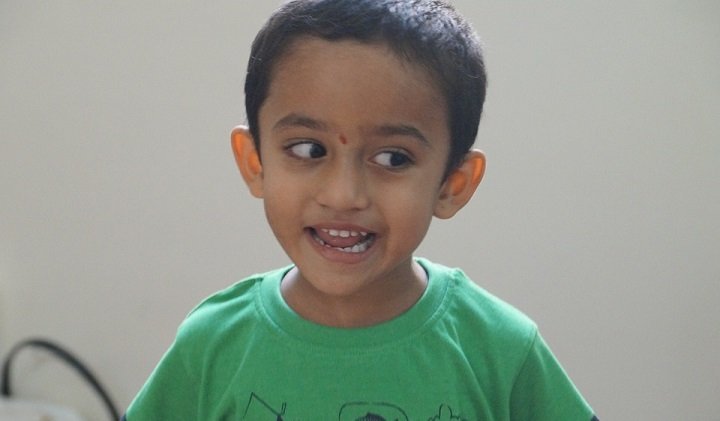
Humor plays an important role in the cognitive, social, moral, and emotional development of humans. In fact, the seeds of humor are sown during the earliest days of childhood, which reflects in a baby's smile and laughter. But a good sense of humor is also a skill that can be developed through training. Here are some ways to develop and nurture this skill in your child.
1. Find what makes your child laugh: Children differ in what they find funny. So, find out what makes your child laugh. School-aged children understand the language well enough to understand that a word can have more than one meaning. So, they can easily respond to puns and witty remarks. They also have the ability to understand riddles and jokes. Some children may also enjoy the slapstick humor depicted in some cartoons and children's movies. Still, others may derive fun from reading funny stories or joke books. Once you know what makes your child laugh, provide him with what he finds funny.
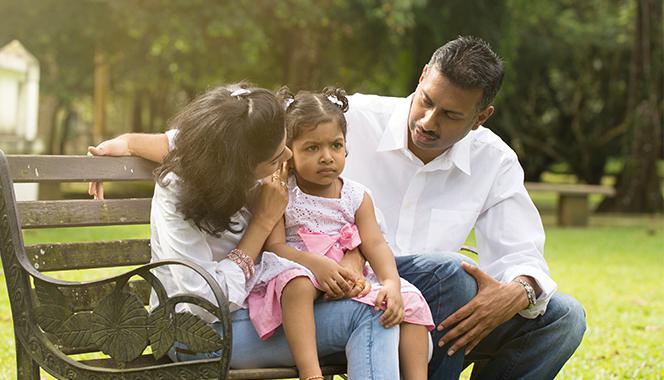
2. Be a role model: Children learn a lot of things, including humor, by watching their parents; so, be a role model by displaying your own sense of humor. Instead of getting annoyed when dealing with a tough situation, you can make a silly face and say something that can make both of you laugh. Use humor when teaching your child a difficult school lesson to reduce the stress and tension of studies. You can also tell your child funny stories or incidents that can make him laugh. Make humor a part of your daily interaction with your child. Remember, children who display a good sense of humor usually have parents with a good sense of humor.
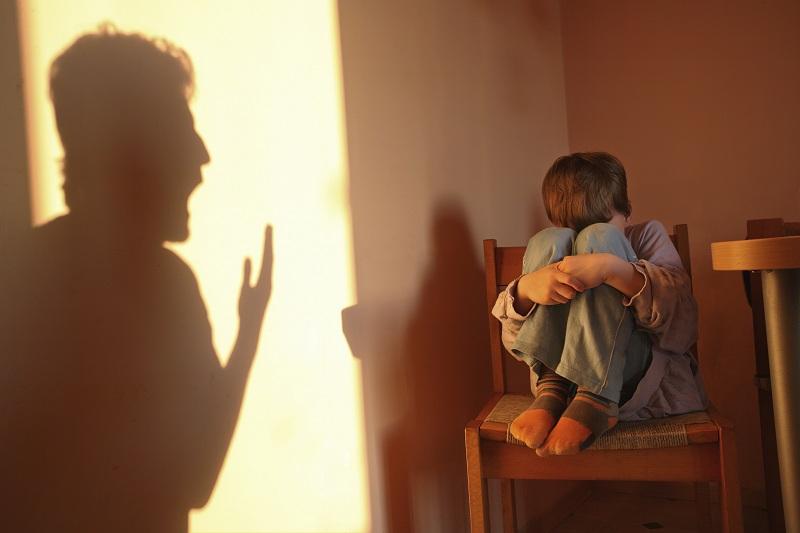
3. Encourage humor: Take your child's humor seriously. Encourage her to draw funny pictures or make an attempt to recount an incident in a lighter way. This will help her see things from a different perspective than the usual. Listen attentively and with a smile to what your child says to encourage the development of a sense of humor. Admonishing her to stop acting like a fool or for being silly will discourage her from trying to be humorous. Seeing your child trying to make you laugh can be one of life's great pleasures.
4.Teach how to tell a joke: If you find that your child doesn't know how to tell a joke, teach him how to tell one. Begin by choosing and telling him an age-appropriate joke. This will help him appreciate humor and have a good laugh. Then read the joke together and help him memorize it. Once he has memorized it, have him practice telling the joke in front of you with proper pauses and a good sense of timing. This will help him present it well before an audience.
Parents must encourage and support their children's sense of humor, and at the same time teach them to respect boundaries and guidelines. Teach children the difference between good-natured jokes and ones that may hurt someone. Remember, children with a good sense of humor can make everyone around them feel good and are liked by all who get to know them.


























Comments
Manikandan D Jan 3, 2022
Edit
Comment Flag
Cancel Update