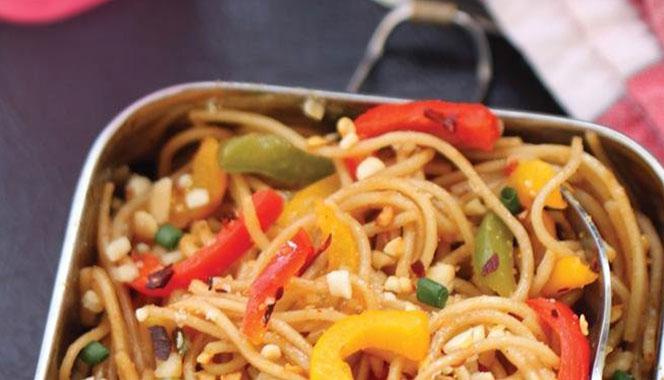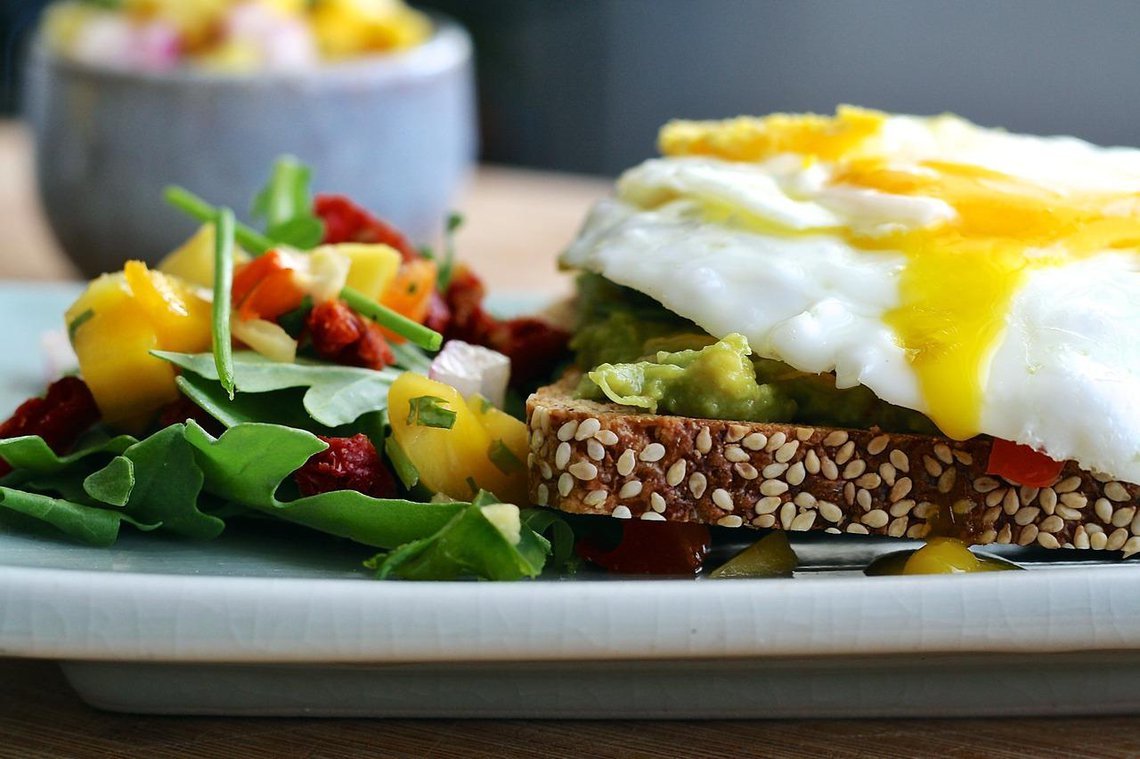
This is a sample menu to meet an average toddler's dietary needs. You can change it according to your two-year-old's preference and your convenience.

As your child turns two, his nutrient requirements also increase. To make sure that he eats and stays healthy, and enjoys his food, you will have to come up with a good diet plan.
Here's a sample menu that you can try:
Start the day with a glass of milk. This is essential for your toddler.
Health benefit: Milk is a great source of calcium and energy. Calcium is one of the vital minerals necessary for the development of strong bones and teeth, and for the normal functioning of all the cells in our body.
Time: Within half an hour of waking up
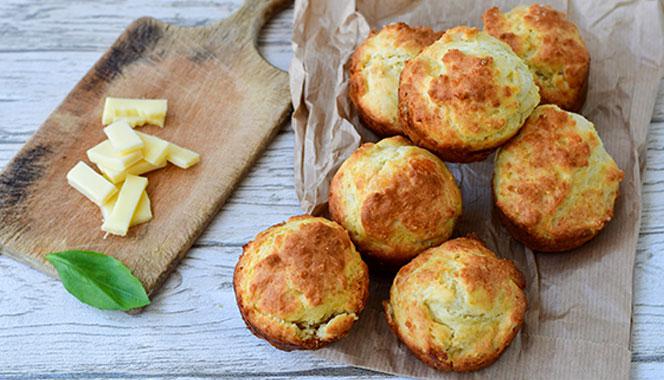
Health benefits: Cheese is a rich source of calcium, fats and vitamin B18. However, start by giving small quantities. After observing your child's preference and bowel habits, you can decide on continuing or changing the quantity.
Banana contains several vitamins and minerals and confers a host of benefits. Eating banana improves digestion and prevents constipation, boosts bone health, improves vision and increases brain power.
Eggs are a storehouse of choline, a vitamin B variant that is a great memory booster, vitamin A and proteins, which are necessary for a child's growth. (Note: If you want to include an egg recipe in your child's diet plan, make sure she is non-allergic to eggs.)
Dry fruits are an important part of a healthy diet. Cashews are a good source of vitamins E, K and B6, and copper, phosphorus, zinc and magnesium and iron. Almonds contain vitamin E, manganese, biotin and copper. Recent studies have linked nuts to better heart health and weight control, and lower cholesterol levels.
Time: Two hours after breakfast
Health benefits: Papayas are a rich source of vitamin A and other minerals, and are good for improving your child's eyesight.
Time: Two hours after the mid-morning snack
Health benefits:Rajma contains high amounts of protein and iron, and is good for the immune system. Rice takes care of your child's carbohydrate requirements.
Curd is rich in calcium and necessary fats. It is good for both the digestive and immune systems.
While palak or spinach is one of the richest sources of iron, minerals and phytonutrients, paneer is rich in proteins and minerals.
Time: Three hours after lunch
Health benefits: Green gram dal is a good source of proteins, fibres, vitamins and minerals. It is good for the overall health of your child.
Time: Three hours after evening snacks
Options for side dish: Mixed vegetable / potato and cauliflower curry
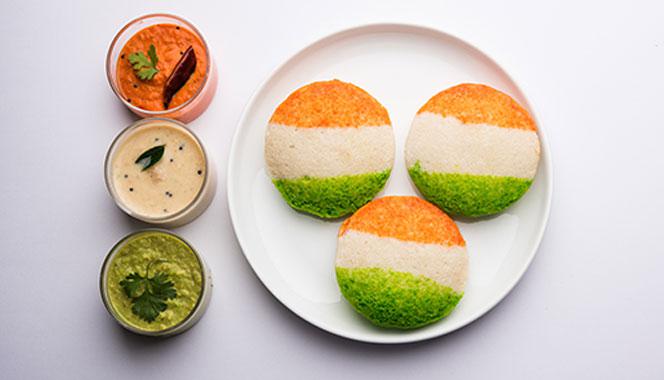
Health benefits: Idiyappam and potatoes provide carbohydrates. Cauliflower is a good source of choline and other minerals along with dietary fibre.
You may also like:
Looking for expert tips and interesting articles on parenting? Subscribe now to our magazine. Connect with us on Facebook | Twitter | Instagram | YouTube
Comments
Edit
Comment Flag
Cancel Update