
Obstructive Sleep Apnea In Children: All You Need To Know
Dr Salil Bendre
author parentcircle author parentcircle author parentcircle author parentcircle author parentcircle author parentcircle
Does your child always seem tired? Does he have bags under his eyes? Your child could be suffering from obstructive sleep apnea. Here's what you can do to help him.
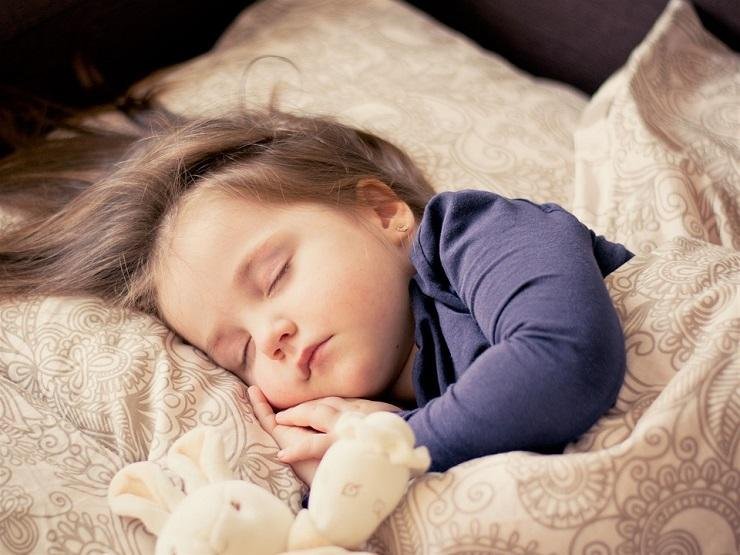
We all need a continuous supply of oxygen to our body, which is essential for it to function normally. When a person has sleep apnea, breathing may stop intermittently for more than 10 seconds during sleep. This reduced breathing affects the supply of oxygen, which induces changes in our heart, blood pressure, brain function and other organ functions. Pediatric obstructive sleep apnea (OSA) may lead to serious complications such as cardiovascular disease, accidents and even premature death.
Compared to adults, the prevalence of sleep apnea in children is less. The article, 'Sleep Apnea in Children: Symptoms, Health Risks, Diagnosis and Treatment,' published in Alaska Sleep Clinic, by Kevin Phillips, says approximately 5% of children suffer from sleep apnea.
The article, 'Childhood Sleep Apnea,' published in Medscape, by Mary E Cataletto, Andrew J Lipton, and Timothy D Murphy, has defined obstructive sleep apnea (OSA) in children as a condition where there is episodic upper airway obstruction, complete or partial, during sleep.
Let us focus on the causes, symptoms and treatment of sleep apnea in children:
Common causes
- Enlarged adenoids and tonsils
- Nasal obstruction
- Obesity
- Birth defects in the oral/pharyngeal area
Symptoms
- Breathing through the mouth
- Loud snoring, often with gasping and snorts
- Disturbed sleep, with long pauses in breathing while sleeping
- Excess sleepiness during the day
- Failure to thrive
- Restlessness
- Hyperactivity/Behaviour problems
- Bed wetting and excessive sweating at night
- Waking up with headaches
You should observe your child carefully for signs and symptoms of sleep apnea. At home, he may snore loudly, breathe through the mouth and remains sleepy. During school hours, he may be unable to concentrate and may sleep during class hours.
Diagnosis
Currently, the only tool available for diagnosis is an overnight test called polysomnography, which is carried out during the patient's usual bedtime.
During this test, wires are attached to the patient. The number of episodes of apnea/fall in oxygen saturation/snoring episodes are all recorded and analysed in a term called as ahi = apnea hypopnea index
Ahi - apnea hypopnea index
Ahi 5 to 14: mild sleep apnea
Ahi 15 to 30: moderate sleep apnea
Ahi > 30: severe sleep apnea
Treatment
During treatment of obstructive sleep apnea (OSA), the cause of airflow obstruction in the patient is taken into consideration. Other methods of treatment include:
- Medical treatment if the cause is related to adenoids or tonsils (which is usually the common cause in most cases).
- Use of local anti-inflammatory/decongestants to give temporary relief.
- Non-invasive ventilation, also known as bipap/cpap, where a mask like device is fitted to the child's face during sleep to ensure the oxygen does not fall to low levels.
Note: This treatment may prove cumbersome and not comfortable for children but in cases which need to be managed for short neck/congenital anomalies/obesity, bipap or cpap are best suited.
- Surgical corrections of the oral or mandibular abnormalities are also advocated in anatomical anomalies.
Summary
Diagnosis of sleep apnea in children is challenging for parents and doctors alike. In most cases, the parents may not be aware of this condition and it may be overlooked. If you observe any of the above symptoms in your child, you should visit the doctor.
However, with these treatment options, you can ensure your child is able to sleep well and leads a healthy life.
The author is Head of Pulmonary Medicine, Nanavati Super Speciality Hospital






















Comments
Edit
Comment Flag
Cancel Update