
Here are some handy tips and precautions for baby care during the rainy season
Sherine Paul Solomon
With the monsoons setting in, new parents need to be at their watchful best to counter monsoon illnesses. Here are a few ways you can take care of your little baby during the rainy season!
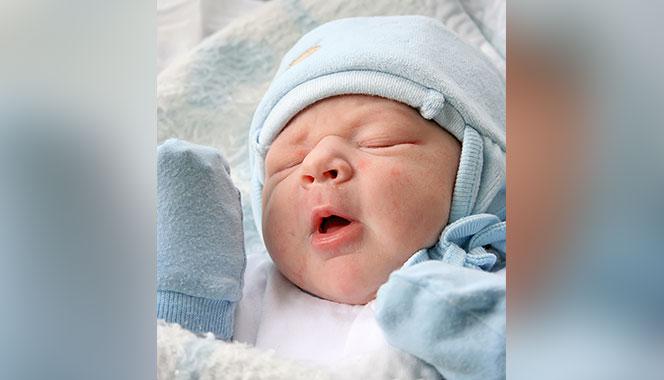
The steady pitter patter of rain during the monsoon is something everyone looks forward to after the searing summer heat. But the welcome relief comes with its share of threats to babies whose immune system is still developing; making baby care in monsoon time all the more essential.
Here are a few guidelines on how to take care of your newborn baby this rainy season, so that you and your infant can enjoy a happy and healthy first monsoon.
Health risks during the rainy season
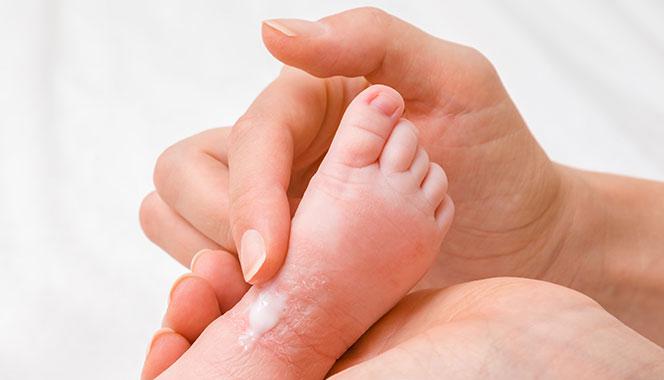
Babies are susceptible to a plethora of health risks during the rainy season, both indoors as well as outdoors. They include different kinds of water-borne diseases that could lead to typhoid, stomach infection, or Diarrhea, viral infections like fever, pneumonia, cold, and cough; diseases from mosquitoes like dengue and malaria; contamination of food or rashes.
"Cold and cough is something to watch out for as the virus is very prominent in young infants. The child can also contract it from their parents. Fever is another ominous symptom that parents need to be cautious about", says Pediatrician Dr Jagdish.
Baby care during the monsoons
Indoor Care
Look out for classic monsoon-related illnesses and symptoms of sneezing, cold, fever or body ache as it is an early indicator of viral infections. Contact your pediatrician and nip the infection in the bud. Here are a few things you can do to prevent the spread of infection and diseases:
1. Ensure a mosquito-free environment
"Watch out for mosquitoes and make sure your baby is well-covered from head to toe in order to avoid diseases such as malaria and dengue", Dr. Jagdish warns.
Mosquito bites are extremely painful for babies and can leave swollen red marks. Make sure to cover your baby's crib with a mosquito net so that they can sleep peacefully. Make sure your rooms have mesh net windows to restrict the entry of mosquitoes. Choose a mosquito repellent that contains natural ingredients, if you opt for one. Avoid going for walks at dusk time as mosquitoes throng to children. However, if you do step out, dress your infant in full-sleeved clothes and carry a natural mosquito repellent.
2. Keep your home clean
Make sure that all areas of your home are clean including the garden, balcony, bathrooms, or anywhere where water can collect and stagnate. Make sure the drains are clean. Check your home for leaks or dampness in order to avoid molds or fungus. Mop your floors twice or thrice a week with a disinfectant to help prevent diseases.
3. Keep your hands clean
One of the biggest germ carriers, surprisingly, is your hands. The most important people are the caregivers who can pass on the infection. So they need to make sure that they always wash their hands with soap or sanitize them, before handling the baby or when they come from outside.
4. Keep your baby clean
Wipe your baby frequently in order to remove the sweat that could form on them from any humidity during the monsoon season. Pay extra attention to their ears, armpits, and genitals as they are prone to retain moisture that could lead to infections. You could also give your baby a warm bath thrice a week to keep them clean.
Precautions to take with food and water
1. Consume fresh food
In case you have an older baby and have started them on semi-solids or solids make sure that their meals are cooked fresh. Humid weather could lead to the growth of mold in baby food as well as in baby bottles during the rainy season. Make sure you constantly sterilize the bottles in warm water and that it is mold-free before feeding your baby. Make their formula with boiled water in order to reduce the chance of an infection. Due to power cuts owing to rains, food can spoil, so look for signs that could indicate food going bad such as a foul odor, change in color, fungus growth, or acidic taste.
2. Opt for a healthy diet
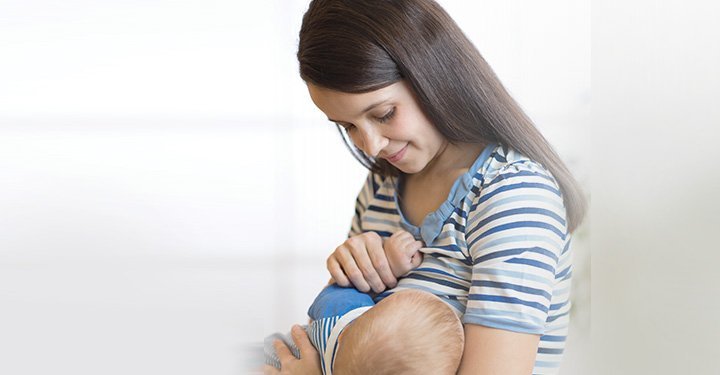
If you can, opt to breastfeed your child, as it will provide them with the necessary probiotics and antibodies to stay safe. A wholesome and nutritious diet of fresh home-cooked food will be doubly beneficial for you and your child. Your baby may require more feeds due to the heat.
3. Drink clean water
Water-borne diseases increase during the monsoons and contaminated water could get mixed with your water supply. Boil the water in order to reduce infections.
Clothing for a baby during monsoons
1. Ensure regular diaper change
Make sure you change your baby's diaper frequently as a wet diaper could lead to a cold, a diaper rash, or turn into a breeding ground for unhealthy bacteria.
2. Clothing should be breathable
"The best way to combat monsoon humidity and fluctuating temperatures is to maintain the temperature of the room and dress your baby in layers. Also, ensure that they are covered with a cap and mittens as well", adds Dr Jagdish.
Further, for baby care during the rainy season, opt for fabrics like thick cotton which while being comfortable will also keep your baby warm. Make sure that your baby's clothes such as her dresses and coats including monsoon baby shoes, are dry and free of moisture. Avoid synthetic clothing that can lead to rashes.
Outdoor Care
|
By just taking these simple indoor and outdoor precautions, you should be able to have an enjoyable first monsoon with your baby!



















Comments
Edit
Comment Flag
Cancel Update