
Spare the rod: Say 'no' to corporal punishment
Divya Ananth
author parentcircle author parentcircle author parentcircle author parentcircle author parentcircle author parentcircle
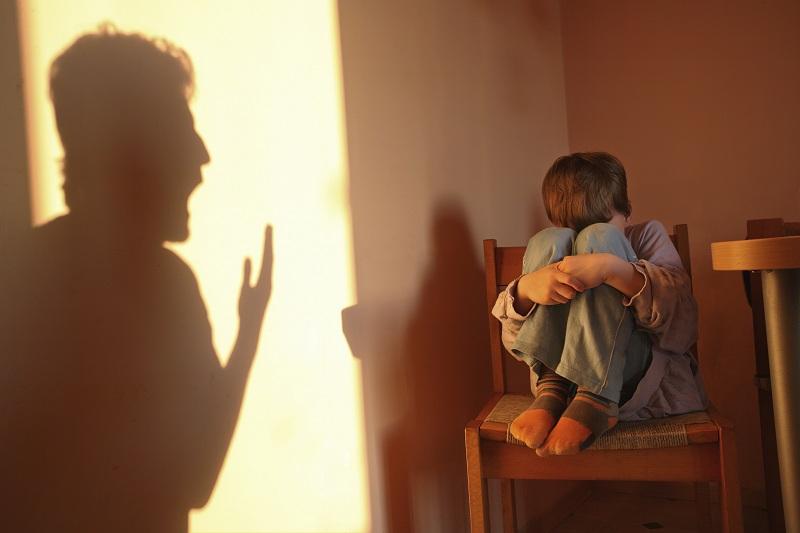
Inflicting pain on a child to discipline him or for other reasons does not lead to positive results. Read on to learn the negative implications of corporal punishment and how to tackle it.
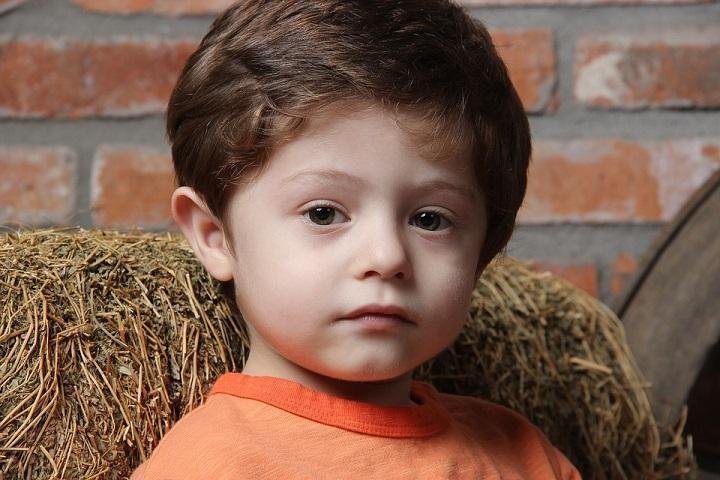
Even till the late nineties, doling out pain as a form of punishment - corporal punishment - was common in schools. 'Spare the rod, spoil the child' was the adage. At home, mothers spanked and dads became fearfully violent. But, no one really talked about it. And life went on. Many would still say, "Oh I turned out fine, what's the big deal?" However, digging a little deeper would reveal feelings of inadequacy, untold fear, emotional imbalances and other disturbances of varying degrees.
"Why make it an issue?" - Apathy and reluctance
Sections 16 and 17 of the Right to Education Act (RTE) ban corporal punishment, both mental and physical, or expulsion from school.
The CBSE board has instructed schools to refrain from using corporal punishment at all costs. Still, incidents of children being punished physically do keep surfacing once in a while.
However, one cannot gauge the extent of the prevalence of corporal punishment based on these reports.
This is because most victims of corporal punishment and their parents are unaware of the fact that physically punishing a child is a serious offence. So, they do not report it. Some know that it is wrong but still don't report it out of fear of antagonising the school management or wrong public reactions. In fact, most victims feel that it is easier to deal with the scars caused by the punishment than the aftermath of revelation.
The causes and consequences
Most of the time, teachers give corporal punishment as a result of feelings of agitation, aggression and frustration. Packed classrooms, lack of adequate resources, absence of comprehensive training programmes, inadequate teacher-child ratio are the main reasons that adversely affect teachers. Rarely do teachers use corporal punishment because of the genuine need to discipline a child.
Many psychologists are of the opinion that corporal punishment, however mild, is degrading and severely affects the self-esteem of the child. Most children, out of fear, surrender meekly and suffer silently. This compounds their emotional turmoil and leads to various rippling effects later on in their personal and professional lives. While some tend to redirect the aggression towards those who are younger or weaker, others who have bottled up their feelings even take extreme steps like committing suicide.
How to handle corporal punishment
- Always have a warm and friendly relationship with your child. This will encourage him to talk about the goings-on in school.
- If you spot bruises on your child's body, ask him in a matter-of-fact manner how he happened to get it.
- Do not be afraid to bring out instances of corporal punishment to light. Remember, the law is on your side.
- Look for sudden changes in behaviour. Has your child become uptight, morose or stressed? Has his appetite or sleep hours decreased?
- When you get angry and your immediate reaction is to vent it out on the most vulnerable person - your child - use time-tested techniques to refrain from abusing him. In extreme cases, do not be afraid to seek counselling to handle your own frustrations.
Deliberately hurting your child or allowing others to do so as a form of punishment is neither a healthy practice nor is it sanctioned by law. So, if you are a parent who physically punishes her child or find that your child is being dealt with corporal punishment in school, take steps to discontinue the practice.
Divya Ananth is a freelance writer based out of Chennai




















Comments
Edit
Comment Flag
Cancel Update