
Khichdi for babies: Here are 11 yummy recipes along with health benefits
Kirti Yadav
Khichdi recipes like Dalia khichdi, palak khichdi, and moong dal khichdi for babies are easy to prepare. They are balanced meals that help your baby's growth and development. Here's how to make different types of khichdi with some easily available ingredients
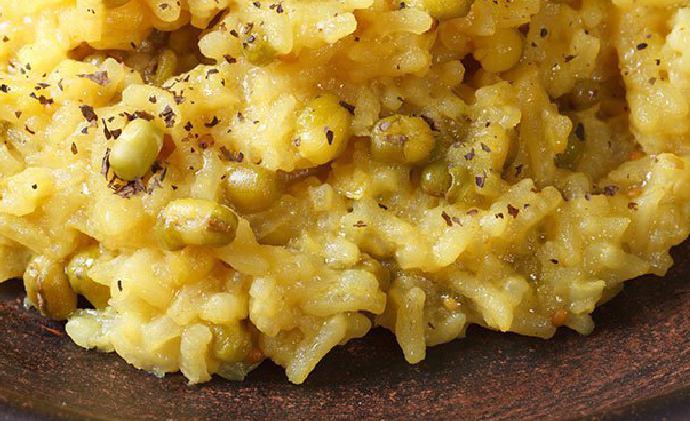
Khichdi, for babies of any age, is one of the simplest, easiest, and ideal comfort food. Is your baby six months old and are you wondering how to introduce solids to his diet? Or, does your baby need extra energy and proteins to grow and run around? Then, look no further. We have put together 11 healthy and delicious khichdi recipes for babies and infants.
Khichdi for babies
Accept it or not, khichdi is a stress-free one-pot meal that a mother can cook in a jiffy for the baby. If you are a mother of an infant, khichdi could be your go-to meal.
Festivals like Pongal and Makar Sankranti mark the importance of khichdi in Indian culture. But have you ever wondered why khichdi is called comfort food? The answer probably lies in the ease with which it can be prepared and digested as well.
Khichdi is a wholesome one-pot meal that is relished by everyone—children, adults, the ill and the healthy, men and women, the rich and the poor.
Although khichdi is a simple, comfort food, it offers numerous health benefits, especially for infants.
Benefits of khichdi
Khichdi is gluten-free, easy to cook, easy to swallow, and digest. A few benefits of khichdi which make it the first ideal meal for babies are:
- Carbohydrates from rice, proteins from lentils, and vitamins and fiber from vegetables make the khichdi a perfect recipe for the growing baby who needs energy and proteins during the first year of their life.
- Babies with gluten allergies can have khichdi.
- Khichdi is usually accompanied by a dollop of ghee which is a natural laxative. This helps smoothen bowel movements. Homemade ghee can be given to a baby after they complete one year.
Tips to make khichdi for babies
|
Khichdi for infants can be a combination of only overcooked rice, lentils, and salt, without any spices. As the little ones are still learning to chew, a soft diet of overcooked, mushy khichdi can be one of the first solid foods they can be introduced to. If your baby doesn't like khichdi in the first instance, reintroduce it a day or two later. It takes time to acquire any new taste. Add only a pinch of salt, as babies should not be given too much salt or sugar during the first year.
Khichdi for toddlers can include oats, dalia (broken wheat), millets, vegetables like pumpkin, carrots, bottle gourd and ash gourd, and green leafy vegetables like spinach and fenugreek leaves along with a few spices.
However, no matter how good khichdi is, eating the same dish every day can be boring. So, here are a few different khichdi recipes to make mealtimes interesting for your baby.
Khichdi for 6-month-old babies
Yellow moong beans khichdi
Preparation time: 15 minutes
| Ingredients | Measurements |
| Rice (white) | 1 tbsp |
| Yellow split moong beans | 1 tbsp |
| Turmeric | 1 pinch |
| Salt | 1 pinch |
| Water | 1 cup |
Method
- Thoroughly wash and soak the rice and moong dal together. Soaking softens the grains and reduces the cooking time.
- Pressure cook the soaked rice and dal in a cup of water, after adding a pinch of salt and turmeric. Cook for 2-3 whistles on low flame.
- Mash or puree the khichdi before feeding to avoid lumps. This khichdi can be given during lunch or dinner. However, do remember to not force your baby to eat if they refuse.
Health benefits: The rice gives the necessary carbohydrates while the easy-to-digest moong dal provides protein.
Nutrients in the above recipe: Carbohydrates, fiber, protein, sodium, calcium, iron, and potassium.
Khichdi recipe for 7-month-old babies
Babies grow very fast in the first year of their life. By the time your baby is seven months old, they would be able to sit, hold and try to lift a few things like a spoon to eat. They would also begin teething. Around this time, you can introduce vegetables in khichdi like ridge gourd, bottle gourd, carrots, red pumpkin, ash gourd, and a few other greens. Adding veggies provides minerals and vitamins which are essential for teething babies.
Pumpkin khichdi
Preparation time: 15 minutes
Pumpkin is high in beta-carotene which our body turns into vitamin A. It is also a rich source of Vitamin C which helps to strengthen the immune system. So, this khichdi is recommended for both the baby and the mother.
| Ingredients | Measurements |
| Rice (white) | 4 tbsp |
| Moong dal | 1 tbsp |
| Raw pumpkin | ½ cup |
| Turmeric | 1 pinch |
| Cumin seed powder | 1 pinch |
| Salt | 1 pinch |
| Water | 1½ cup |
Method
- Thoroughly wash and soak the rice and dal for about 30 minutes
- Remove the skin and seeds from the pumpkin and chop it into pieces
- Pressure cook the rice, dal, and pumpkin with the turmeric, cumin seeds powder, and salt until 2-3 whistles
- You can strain the khichdi with the help of a sieve or strainer and pure it, or mash it with a spoon before serving it to your baby. Mothers can also have it just by adding a dollop of ghee. Enjoy your pumpkin khichdi with salad and raita
Nutrients in the above recipe: Carbohydrates, fiber, protein, fat, sodium, calcium, iron, and potassium.
Khichdi recipe for 8-month-old babies
Come the eighth month and babies are ready to crawl and move around. Mothers feel happy to see their babies take the first steps. But most mothers also begin to worry about how to meet their babies' nutrition requirements, as they need a lot of strength at this stage.
Ragi, also known as finger millet, is loaded with calcium, iron, and potassium. It is also free of gluten and rich in dietary fiber. So, introducing ragi porridge, sweet or salty, is a good idea.
Ragi is considered a weaning food in various parts of India. It is also given to children and expectant mothers who suffer from iron deficiency.
There are quite a few ways of making ragi khichdi, but sprouted ragi khichdi with green moong dal is one of the most nutritious methods. Nowadays, sprouted ragi flour is readily available in the market. You can also use this, but if you want to make a premix powder, this is how you should do it.
Sprouted ragi khichdi for babies
Preparation time: 20 minutes
To make the premix powder
| Ingredients | Measurements |
| Ragi grains | 1 cup |
| Green moong dal | 1 cup |
| Rice | 1 cup |
Method
- Wash the ragi and soak it for eight hours.
- Drain the water and tie the grains in a muslin cloth. Keep overnight for the ragi to sprout.
- Keep the ragi under the sun or fan to let it dry completely.
- Dry roast the moong dal on a low flame, and add the white rice and ragi grains.
- Once roasted, allow them to cool. Grind the mixture and store it in an airtight container. This flour can last for 2-3 months.
To make ragi khichdi
| Ingredients | Measurements |
| Ragi premix powder | 2 tbsp |
| Water (cold or room temperature) | 1 cup |
| Salt | 1 pinch |
Method
- Mix the ragi powder and salt with water. Take care to smoothen out the lumps.
- Transfer this mixture to a pan and let it simmer for 20 minutes on a low flame.
- Strain the khichdi to filter out any lumps before giving it to your baby.
Nutrients in the above recipe: Carbohydrates, fiber, fat, protein, sodium, calcium, iron, and potassium.
Important: Some babies find it difficult to digest ragi, so only a small quantity should be introduced initially. If the baby's bowel movement is not affected, the quantity can be increased gradually.
Khichdi for 9-months-and older babies
Once babies are nine months old, the food prepared for the family can be served to them in small quantities. Also, different types of khichdi like oats khichdi, dalia khichdi, tomato khichdi, and palak khichdi can be introduced into their diet. The different combinations provide various nutrients together with varied tastes.
Oats khichdi for babies
Preparation time: 20 minutes
Oats are high in carbohydrates and contain a soluble fiber called beta-glucan which absorbs water and helps in bowel movement. It is also a good source of calcium and phosphorous, which are essential for strong bones and good teeth.
| Ingredients | Measurements |
| Oats powder | 1 tbsp |
| Water | 1 cup |
| Grated carrot | ½ cup |
Method
- Dry roast oats on a low flame.
- Once it cools, grind it to powder and keep it in an airtight container.
- Heat water and mix 1 tbsp of oats—stir continuously to avoid the formation of lumps.
- Add grated carrot and cook for 10 minutes or until a gruel-like consistency.
Nutrients in the above recipe: Carbohydrates, fiber, fat, protein, sodium, calcium, iron, and potassium.
Khichdi recipe for 1-year-old babies
Once the baby crosses the age of one, almost all homemade foods without spices, especially red chilies, can be given. When preparing dal or sabzi, keep aside a small portion before tempering or adding chilies. Doing so would provide the baby with the option to eat a variety of food.
Dalia khichdi, tomato khichdi, and palak khichdi can be introduced at this age.
Sooji khichdi for babies
Preparation time: 20 minutes
Sooji, suji, or rava (Semolina) is fine broken wheat. It is used to prepare many dishes like Khara bath, upma, or halwa.
| Ingredients | Measurements |
| Sooji | 1 tbsp |
| Grated carrot | 2 tbsp |
| Beans (finely chopped) | 2 tbsp |
| Water | 1 cup |
| Salt | 1 pinch |
For tempering
| Ingredients | Measurements |
| Curry leaves | 4 to 5 |
| Mustard seeds | 1 tsp |
| Turmeric | 1 pinch |
| Oil or ghee | 1 tbsp |
Method
- In a wok, add ghee or oil and throw in mustard seeds and finely chopped curry leaves.
- After the mustard seeds splutter, add the grated carrots and beans. Saute for a few seconds.
- Add sooji and water, while continuing to stir.
- Add salt and turmeric.
- Keep stirring to avoid the formation of lumps.
- Mash with a spoon before serving to your child.
Nutrients in the above recipe: Carbohydrates, fiber, fat, protein, sodium, calcium, iron, and potassium.
Semolina or suji as we know it is a rich source of protein and fiber. So, your baby will feel full for a longer time. It is also rich in Vitamin B and iron. It is easy to digest and improves gut health.
Dalia khichdi for babies
Preparation time: 25 minutes
Dalia or broken wheat is a good source of fiber. Adding veggies like potatoes, carrots, and lauki (ghiya/bottle gourd) enhances the taste and nutritive value of dalia khichdi. You can also make this a family meal.
Dalia is easy to digest and must be included in your baby's meals as it improves gut health. Mothers can eat it too as it aids in weight loss.
Ingredients for khichdi
| Ingredients | Measurements |
| Daliya (washed and soaked) | 1 tbsp |
| Yellow moong dal (washed and soaked) | 1 tbsp |
| Potato (peeled and chopped) | 1 small (approx. 50 g) |
| Carrot | 1 small (approx. 70 g) |
| Lauki | ½ cup |
For tempering
| Ingredients | Measurements |
| Curry leaves | 4 to 5 |
| Mustard seeds | 1 tsp |
| Cumin seeds | 1 tsp |
| Cloves | 2 |
| Turmeric powder | 1 tsp |
| Black pepper powder | 1 tsp |
| Salt | 1 tsp |
| Water | 1 cup |
| Ghee | 1 tbsp |
Method
- In a pressure cooker, heat ghee and throw in the mustard and cumin seeds, and cloves. Allow them to splutter.
- Now, add potato, lauki, and carrot. Saute for one minute.
- Add soaked moong dal (you can also use sprouted moong dal) and dalia.
- Stir, add water, salt, turmeric powder, and black pepper powder. Cook until 2-3 whistles.
- Remove the cloves before serving.
Palak khichdi for babies
Preparation time: 25 minutes
Adding palak (spinach) to khichdi is a great idea. Also, including ingredients like onion and garlic not only enhances the flavor of the khichdi but also makes it a meal for the entire family.
Spinach contains a high amount of insoluble fiber. This aids in digestion and prevents constipation. Spinach is rich in folic acid, and vitamins A and K1. Spinach also improves eye health and boosts the immune system.
However, it is suggested that spinach should be given to babies only after they complete one year.
| Ingredients | Measurements |
| Rice | 1 tbsp |
| Toor dal | 1 tbsp |
| Moong dal | 1 tbsp |
| Onion (chopped) | 2 tbsp |
| Garlic | 1 pod |
| Turmeric powder | 1 tsp |
| Cumin seeds | 1 tsp |
| Water | 1 cup |
| Ghee | 1 tbsp |
| Salt | To taste |
| Spinach leaves | 1 cup |
Method
- Wash and soak rice, toor dal, and moong dal (you can use sprouted moong as well).
- In the pressure cooker, heat ghee. Add cumin seeds and let them splutter.
- Now, add garlic and onions and wait until they turn translucent.
- Add the washed spinach leaves and cook until they wilt.
- Then, add the rice, dal, salt, turmeric powder and water.
- Close the lid of the pressure cooker and cook until 3-4 whistles.
- Mash with masher if required before serving.
Nutrients in the above recipe: Carbohydrates, fiber, fat, protein, sodium, calcium, iron, and potassium.
Khichdi not only helps in the growth of your baby but is also a wholesome meal for you. Low in calories and high in nutritive value, khichdi is a fuss-free meal.
The Dot health and safety program empowers children with the skills to stay safe and healthy and make healthy food choices.


















Comments
Edit
Comment Flag
Cancel Update