
How to talk to your child about the war in Ukraine without scaring them
Monali Bordoloi
The whole world is keeping a close eye on the Russian invasion of Ukraine. How do you explain war to your child? Here are some age-specific guidelines for parents to answer queries related to the war
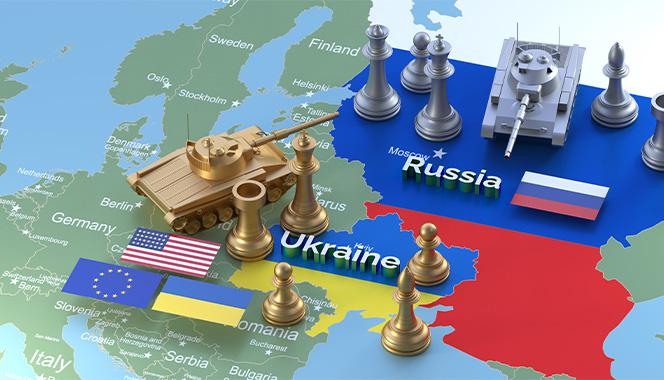
Just after coming back from school, eight-year-old Gaurav asked his father, “Papa, today in the school assembly, we talked about the news of the Russia-Ukraine war. My friends told me that there could be a World War III. Do you think we also have to go to war?”
Even if we try to shield our children from disturbing news like war and terrorism, they will inevitably learn about crises like the Russia-Ukraine war.
Talking about war to children can be tricky for parents. You don’t want to make them feel worried but at the same time, you want them to empathize with the people who will directly face the consequences of the war.
Even if we may be far removed from harm, if your child has questions or concerns about the war, talk about it so that they feel heard and understood. However, talking to children about the Russia-Ukraine war depends on their age.
We spoke to Arundhati Swamy, Family and School Counsellor at ParentCircle on how parents can have a meaningful and age-appropriate conversation with their children about the ongoing war between Russia and Ukraine.
She says to parents, “Before you start the conversation on war, always try to understand how much your child already knows about it and what their sources of information are. Start with simple answers to their questions and build up on it gradually. We don’t want to give children information more than they can handle. If you have an opinion on the war, be sensitive and responsible about sharing it with your children. For teens, try to have a healthy discussion based on historical facts. Try to broaden their understanding of politics if they seem interested in it. Be mindful of your emotions. Discuss to understand, not to win or impose your ideas on them .”
She has suggested these guidelines for parents based on the age of the child:
For parents of children 7 years and below:
- It’s best not to bring up the topic with younger children unless they ask about it. When they ask about the war give them a simple reply – that two countries are fighting over their land. Remember, younger children do not understand complex explanations.
- If your child sounds anxious and worried about the war, reassure them that they are safe with you, and you will take care them. Also, let them know that it’s not happening near them.
- Attend to your child’s anxiety. Keep them calm – let them tell you what they are afraid of, and reassure them as often as they need it, with words – “We are here with you and we will keep you safe.” Make sure your tone of voice and expressions support what you say to your child.
- If any family member, or anyone your children know, is in Ukraine, tell them that the Indian government is doing its best to bring them home safely.
For parents of children aged 8 to 12 years:
- It's always advisable to keep the conversations on war short and to the point with your child. Just tell them that yes, these two countries are at war because they are not able to sort out their disputes.
- The fear of a world war can be scary. Explain to your child that other countries are trying hard to intervene and help the situation. Take care not to go into the gory details of a world war.
- Highly sensitive children may express sadness and empathy for the people caught up in the war. Help them channel their feelings into small acts of kindness in their neighborhood.
For parents of teenagers:
- Older teens are more likely to ask deeper questions around the death and destruction caused by war. Tell them the truth - that there will be casualties, widespread disruptions and innocent lives may be lost. Ask them how they feel about it. Older teens also tend to have strong opinions. Instead of disputing them, listen with the aim of understanding who and what influences their thoughts. If your teen wants to discuss the ongoing war, allow them to express their views, help put things in perspective by explaining the relevant historical facts. Guide them on how to source authentic news.
- If your teen is sad or angry about the crisis situation in Ukraine, tell them that it’s okay to feel sad for the victims. Explain things to them patiently. If you express your opinions on the war, let them know that it’s completely your view and they can have their own opinion about the situation. Such open conversations are the best way to dispel misunderstandings they have about the twar.
Things your child should not hear you say
- When your child has questions on the war, do not brush them aside with sentences such as, , “You are too young to understand war!”, “Don’t worry about the war, it does not concern you.”, “You don’t have to know everything”, “Why are you worried? War is far away.”, or “Concentrate on more important things like your studies.”
Instead, try to understand what they have heard about the war and answer accordingly. It is always a safe starting point for parents. - Parents can avoid watching news related to the war on TV with their children. Disturbing war visuals can traumatize them. Ensure that young children do not hear your discussions about the war.
- If you are worried about the long-term consequences of the war on our economy, travel and life in general, it’s better not to discuss these with your younger children or within their earshot.
- Even if you have your views on world events like the Russia-Ukraine war, it’s better not to air those in front of children as they may develop poorly informed opinions. Never endorse that violence is a means to resolve conflicts.
- How do you answer when your young child asks you why can’t the countries sort out the differences with dialogue like we always encourage our children to do? Children can’t comprehend complex world politics. As a parent, you can tell them that unfortunately dialogue did not work in this case.
Arundhati adds, “The whole world is limping back from the aftermath of the pandemic. Many of us still feel anxious and insecure, and emotionally drained from personal losses. News of the war may be too much to deal with. Do what’s comfortable for you. Avoid news items, discussions and debates on the war that make you feel anxious, angry or agitated.”
This is how Gaurav’s father answered his questions and discussed the war between Russia and Ukraine with him:
He asked Gaurav what was discussed in the school assembly and later with his friends. Then, he asked his son to bring the globe. He used the globe to explain where the two warring countries were. He showed him where India is and explained that they were all at a safe distance from the war zone. When Gaurav asked why these two countries were at war, he briefly explained how Ukraine was once a part of Russia and then it gained independence, but the bordering countries still have long-standing disputes over land, among other issues.
News about war and destruction could be upsetting for children. However, parents must discuss such topics when the situation arises. It could also be a good opportunity to talk to your children about compassion, kindness, and the need for inclusivity in the world.





















Comments
Edit
Comment Flag
Cancel Update