
Interactive Learning Through Technology: How It Boosts Engagement And Helps Your Child Learn
Shashwathi Bhanukumar
Discover how tech-based learning tools can make education more engaging when used mindfully, and why interacting with parents, teachers, and the environment is critical to a child's learning experience
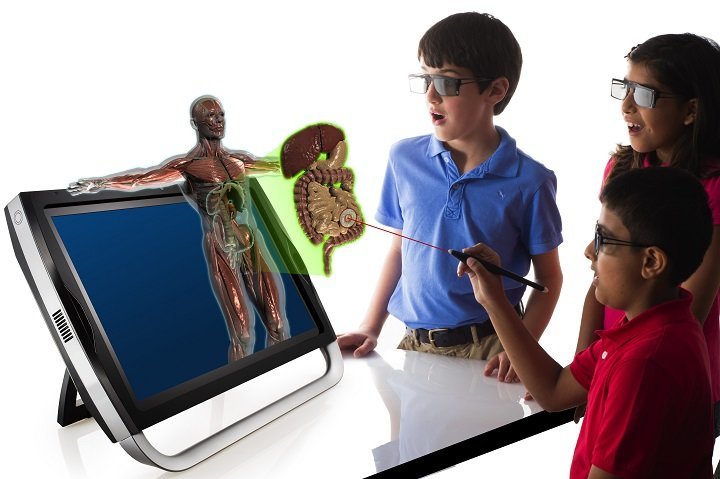
A survey conducted by The National Council of Educational Research and Training in 2017 stated that 'schoolchildren who engage more enthusiastically in classroom discussions and read stuff beyond textbooks are likelier to learn better than others'. The data was collected from 2.2 million children in classes 3, 5, and 8 in government schools. The report further showed that the performance of students through interactive learning increased by 14.5 points.
Interactive learning occurs when a child is encouraged to participate actively in understanding the subject matter rather than just absorbing the information and memorizing it. Through various activities, the child is allowed to interact with things around them, their peers, and their parents and teachers. This approach is learner-centered rather than teacher-centered, and encourages the child's imagination and critical thinking skills.
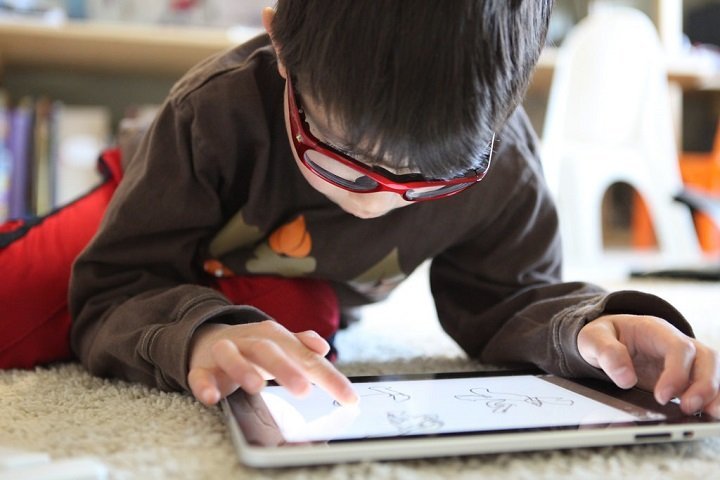
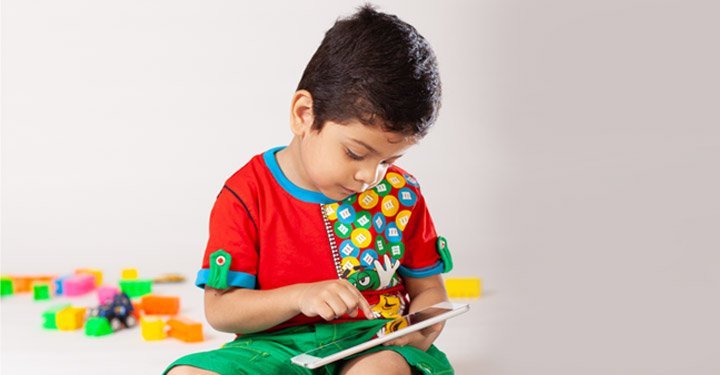
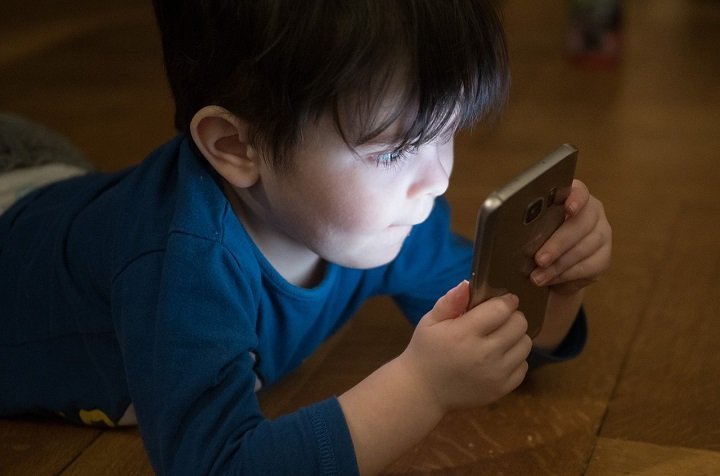
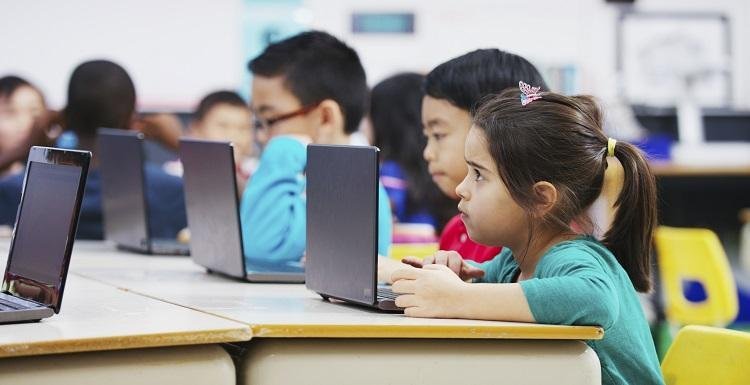
Today, technology plays a huge role in making interactive learning a better experience for both teachers and students. According to a study from Nielsen's 2014 Digital Consumer Report, Interactive media is captivating tech-savvy children via apps and video games. Today, 57 percent of children under the age of eight are using educational applications. "What I have observed is that students no longer want to be just linear learners. And they are more comfortable with the latest technology. This level of comfort is way more than what adults could anticipate. So, when students touch and use an interactive whiteboard or panel, interactive touch screens, or laptops, tablets, and interactive tables and software, they learn and retain more as their attention span is more," says Meenal Arora, Executive Director, SHEMROCK Preschools & the Founder Director of SHEMFORD Futuristic Schools, Delhi.
Benefits of interactive learning through technology
- Children can choose from a wide range of apps and websites and select (with adult supervision) the ones they want to work with.
- It motivates them to use numerous free tools and apps available online to create digital content like posters, PowerPoint presentations, and even write a book review.
- It allows them to control and be responsible for their learning.
- It keeps them active. Technologies like 3D cameras track their movements and make it fun. Some apps and websites encourage children to move, sing, and dance too.
- It helps parents and children learn from each other.
Here are some ways technology enhances the learning experience:
- 3D Printers: Think of all the cool things you can make with 3D printers. With 3D printing, your child can create a unique product.
- Quizzing: Many online platforms allow your child to have fun with quizzes. You could have family quiz time where not only your child but you, too, could learn something new.
- Augmented reality: Augmented reality (AR) is catching up in a big way, and children are wowed by it. Various apps and websites combine AR with education and literally bring concepts to life. Explore and introduce safe websites to your child.
- Videos: They are still one of the best ways to learn. Encourage your child to make videos. They can make videos of insects in your backyard or even books that family members read. The goal is to learn and have fun at the same time. Have your child make a presentation on what they learned while making the video.
The counterview
Though technology is a boon, Ms Aarti Rajaratnam, psychologist and author, believes that the best interactive learning is when there is actual interaction between the child and the parent. "From the child development perspective, it is essential that until the child is eight years of age, he is encouraged to learn through hands-on activities, without the use of technology. The 'interactive learning' during the early years must involve people and experiences. However, after the age of 12, optimal use of technology can benefit the learner. Here again, technology must never replace the experience of the learner. Learning experiences, all else is just information. For true learning, the learner must have an internal locus of control that helps him to explore, discover, navigate, experiment, question, analyze, solve problems, and generate more challenges. This is best done in the three-dimensional format through autotelic play and not through technology-assisted predetermined programs. Technology is called artificial intelligence for a reason," she says.
Ms Aarti points out that technology can be addictive. "Two-dimensional, unidirectional technology is more addictive than other forms of technology usage. Several studies have shown a surge in dopamine levels and cortisol levels in children using excessive technology. Play and other forms of hands-on learning, on the other hand, make way for more synapses and sensory neural pathways across different parts of the brain and therefore addictions are not heard of in such whole brain learning modalities," she informs.
Implementing interactive learning without technology
Ms Meenal suggests ways you can help your child learn without the help of technology:
- Learn poems and rhymes together
- Read books together
- Include your children in household chores like making their beds, packing their lunches, etc., to foster responsibility, a sense of accomplishment, and independence.
- Ask questions on subjects that interest your child
- Start a collection together
- Tell a story and involve all your family members in role play
Whether you support the use of technology or not, one thing is certain: interactive learning is crucial for your child to learn and absorb information in a fun environment. To sum it all up, Ms Meenal says, "Interactive learning requires active participation and open-ended exploration of topics. As children are equal partners in the learning process, this makes learning a fun and engaging experience for them. In simple words, interactive learning is enjoyable and great at captivating a child's interest."
Last updated on: July 25, 2025


























Comments
Edit
Comment Flag
Cancel Update