
Using The Internet For School Projects: We Bring You Some Do's And Don'ts
Dr Debarati Halder
In this digital age, for children to do better in academics, they need to use the Internet, especially for school projects. As parents, you need to educate them on how to use this tool.
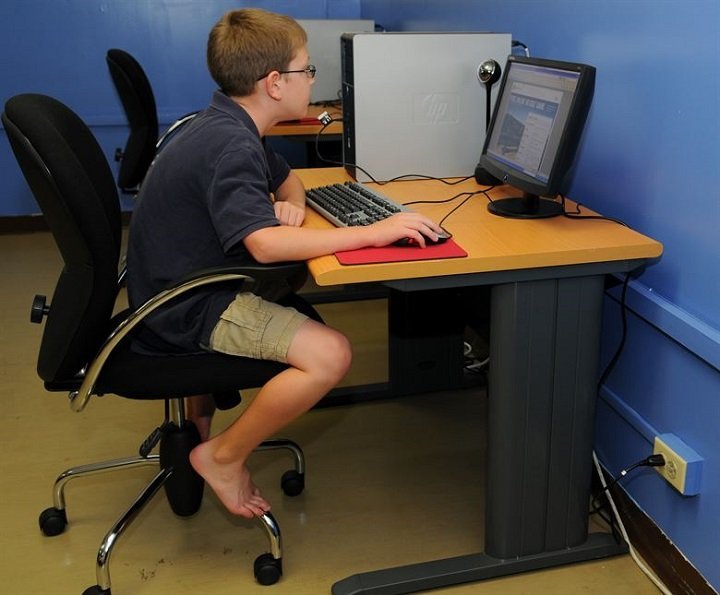
Nowadays, many school projects are done with the help of the Internet and the digital communication technology. There are many positives to this mode of learning. It helps children keep up with the latest research and innovations, it widens their knowledge and it also offers scope for them to showcase their work. However, apart from the advantages, using the Internet has its downside too. Therefore, children should be given proper guidance on how to go about it while working on projects.
About a year back, I was invited by a college to judge presentations by students (mostly freshers) on cyber crimes and related issues. As the students presented their papers, I could see that most of their work was based on my research and articles, as well as studies done by other experts. Some cited the sources, while others did not - sheer cases of plagiarism. After the presentations were over, I asked the students where they had learnt to make them. Most of them told me that they had learnt it in school. This is a typical example of how, often, teachers encourage students to work on projects with the help of the Internet, but never educate them about plagiarism.
According to The University of Oxford, plagiarism is "presenting someone else's work or ideas as your own, with or without their consent, by incorporating it into your work without full acknowledgement. All published and unpublished material, whether in manuscript, printed or electronic form, is covered under this definition. Plagiarism may be intentional or reckless, or unintentional. Under the regulations for examinations, intentional or reckless plagiarism is a disciplinary offence." Remember, plagiarism, if found out, is an offence which can result in the disqualification of any assignment, project, thesis or even a scholarly article worked on by the child. Therefore, educate your child about this.
While plagiarism is a concern often ignored by children while doing their school projects, there are also other issues that crop up when children use the Internet for research. At times, young students may be exposed to adult sites or radical elements while surfing the Net. For example, a child may accidentally land on adult sites or porn sites while searching for information on the reproductive system. A child may also meet unwanted groomers for radicalisation on social media sites if they want to join specific groups for discussions on subjects like social science. We need to understand, therefore, that even though children today are netizens, parents and teachers should never leave their children, including older teens, unsupervised while they prepare their projects. Here are some do's and don'ts you must follow while helping your children with school projects:
Do's
- Always speak about the advantages of information and digital communication technology. This will encourage your child to use it in a positive manner.
- Educate your child about the negatives in a way that they understand how to use the Internet in a responsible manner.
- If your child is between the ages of four and eight, show them educational videos, still pictures, and PPTs or funny animal videos while telling them about the original creator.
- If your child is between the ages of 9 and 13, encourage them to create their own content. If their school has a website, such content can be published on it while crediting your child for their originality. You can also share your child's work on social media sites. This will encourage them to understand the value of original work.
- Educate your child on how to use the Internet for research. Take them to workshops and expert sessions organised by schools for this purpose.
- Monitor each project of your child's. Make sure they never ignore the process of research behind each project. Also, have discussions with your child based on their research for specific topics and answer their queries.
- Before beginning a project, brief your child about the kind of sites that need to be avoided. Such sites may bring in automatic pop-ups. It is better to use firewalls to avoid unwanted pop-ups.
Don'ts
- Never leave your child alone with computers or mobiles, as they can access the Internet by themselves.
- Never ignore your child when they want to show the project to you.
- Never show copied content as an example.
- Never open any suspicious link to teaching the child what is bad. There is no need to give practical training to a young inquisitive mind. Children learn faster than us from different sources.
- Never allow children to download pictures without your supervision, even if they are from reliable and authentic sites. You never know whether the picture has a copyright issue or says something other than what is visually depicted.
- Teach children never to share personal details on the Internet.
- Always appreciate children for their honest work when they do a project.

























Comments
Edit
Comment Flag
Cancel Update