
Different Schooling Methods: Read Before You Decide To Zero In On One
Suchitra Seethapathy
Do you think the rigid curriculum offered in schools do not unlock the hidden potential of children? Maybe your child is more suited to an alternative method of education. Read on to find out
- 15.4K
- 2
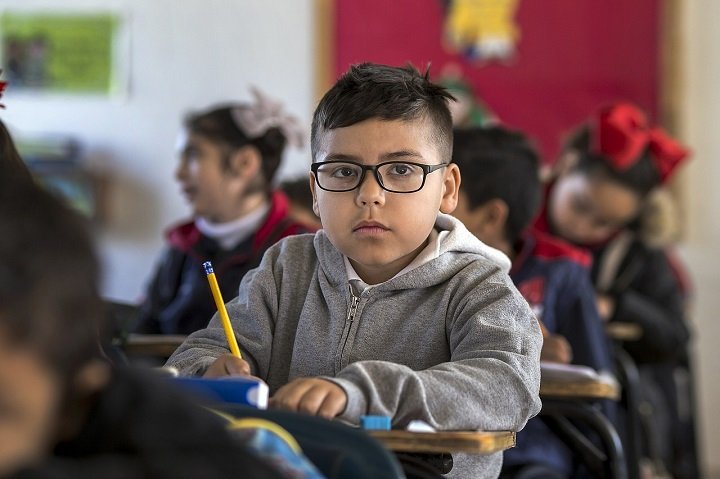
During one of my workshops on alternative education, a parent asked whether an alternative school is 'just another term for a tutorial centre for school drop-outs.' So, it is not surprising that the authenticity of alternative schooling continues to be questioned by some parents.
In these competitive times, most Indian parents prefer to do 'tiger parenting'. It's a concept where parents are extremely demanding in scholastic and academic achievements of their children and use strict, authoritarian methods of education. In fact, highly competitive mainstream education combined with 'tiger parenting' can make children excessively self-critical about themselves and undermine their confidence and self-belief.
On the other hand, countries like Finland, Switzerland, Germany, Netherlands, United Kingdom and the US have successfully implemented and embraced alternative education like Waldorf-Steiner's methods, Montessori methods and even home-schooling.
What is alternative education?
Typically, alternative education focusses on a different approach to child development and education by employing varied teaching methodologies. Some schools specifically focus on specialised skills of children to further their career interests and development. According to a research article written by Kirkham and Kidd, published in the Journal of Creative Behavior in March 2015, alternative educational methods like Waldorf-Steiner's and Montessori methods fostered better capability, creativity, imagination and resilience than traditional education.
Following are the different types of alternative education:
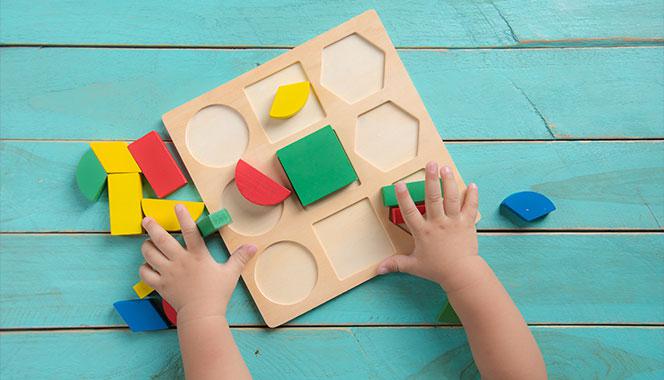
Montessori: This is a method developed by Dr Maria Montessori, which is based on self-directed activity, where children learn hands-on through collaboration and play. Children in Montessori schools have the freedom to make creative choices in learning, while the teachers offer age-appropriate activities to guide the process. This method is already a popular choice for preschool and kindergarten children. Today, several Montessori schools have mushroomed offering alternative pathways to education at elementary and high school levels.
Waldorf-Steiner's method: This method of education founded by Dr Rudolf Steiner, places emphasis on the imaginative and creative spirit of the child. Teaching methods are designed to match the phases of psychological and spiritual development of children. Children in these schools learn with the help of their hands, heart and head during the various stages of development. The education system primarily uses colour, form and music to teach and embrace the use of natural materials such as wood, wool and cotton in place of artificial or plastic toys and materials. The curriculum is deep-seated in music, arts and drama. Lessons in mathematics and science are taught through a process known as 'Eurhythmy.' Children are taught to be self-sufficient by facilitating skills such as weaving, knitting, sewing, baking, cooking, carpentry or even growing crops and farm animals.
Harkness method: This is a teaching method pioneered by philanthropist Edward Harkness. It follows a specific method of teaching, where a teacher gathers a small group of students around a table and discusses topics ranging from history to calculus. A teacher using the Harkness method is seldom found lecturing the students with the use of a blackboard. The teacher moderates the classroom and keeps the students as an active participant. Individual opinions are formed, raised, rejected and revised at the Harkness table. No conversation is ever the same, which helps the teachers avoid 'burnout' resulting from teaching the same lessons year after year. The Harkness method boosts confidence, encourages intrinsic learning and fosters leadership qualities in students. The Harkness method is successfully employed in International Schools with a small classroom size.
Krishnamurti method: These schools, based on the teachings of philosopher Jiddu Krishnamurti, focus on the attitudes and qualities of the teacher and child and how they relate to one another. Although some Krishnamurthy schools place importance on academic excellence, the school believes that teacher and students need to explore the world beyond knowledge and become introspective of their thoughts and behaviour. Structurally, each Krishnamurthy School is quite unique. While some schools focus on academics, others lay emphasis on the spiritual and psychological development of the student.
Homeschooling, un-schooling, and de-schooling: Homeschooling is a type of education chosen by parents who think outside mainstream approaches. Their approaches often exist in affiliation with Montessori, Waldorf, and many other educational philosophies. Parents and students, who are fed up with high-pressure classrooms and textbooks, often choose homeschooling, where they learn in a home environment supported by community experiences and apprenticeships. Un-schooling and de-schooling are complementary trends that focus on free-range learning.
Special focus schools: Some schools offer specialized training in areas like arts, dance, music, and sports, where students can develop their skills and get professional training for their future careers. Besides sports, music, or arts, children from religious backgrounds are enrolled in veda pathashalas and madrasas, where they receive training in scriptures and religious rituals.
Schools for special educational needs: These schools are specifically designed for children with physical, psychological or developmental challenges. The instruction and curriculum is centered on rehabilitative therapies such as speech therapy or occupational therapy.
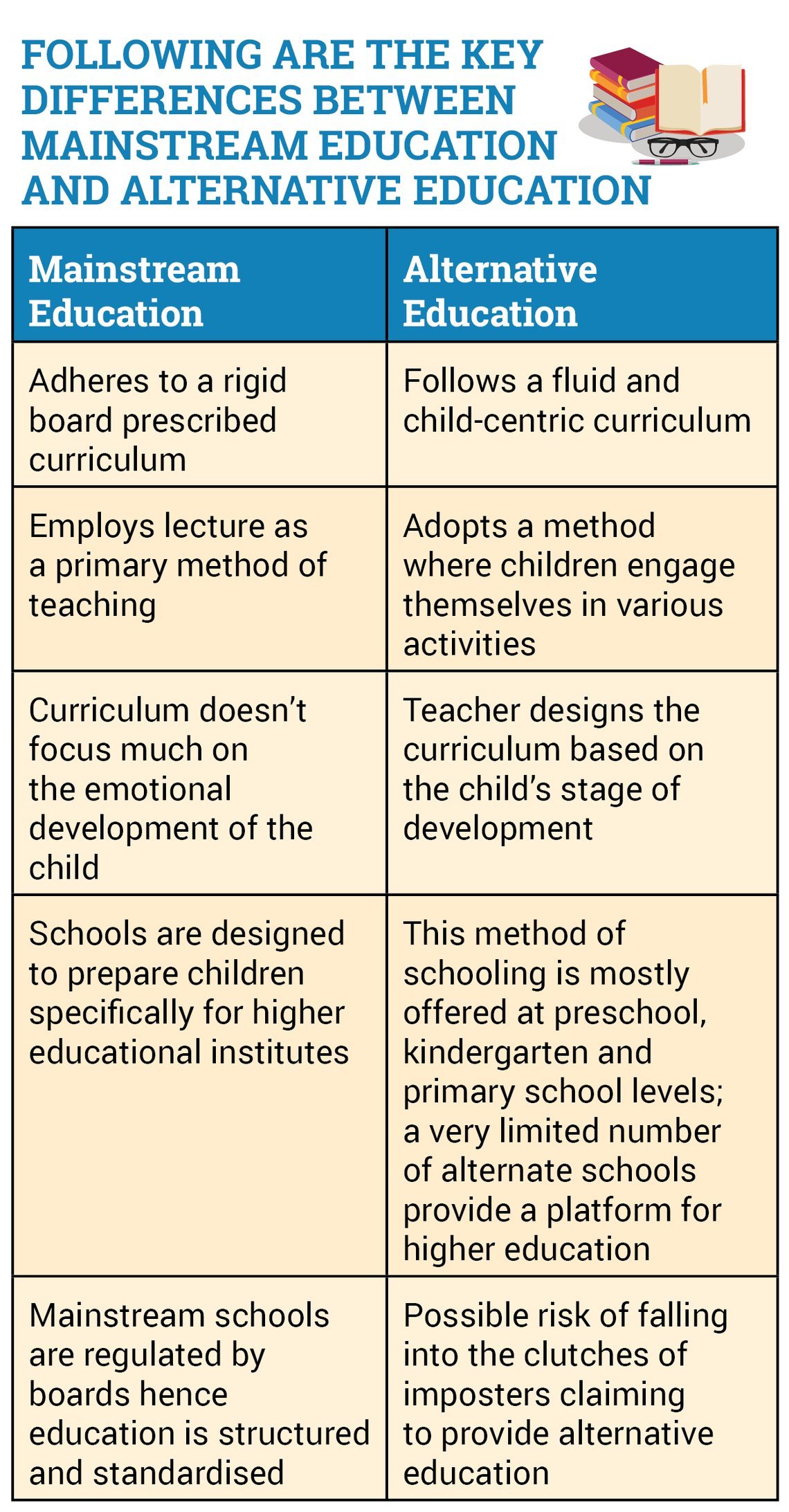
How to choose the right method of education for your child
- Know your child: Understand your child's potential and talk about his dreams and aspirations. See which type of schooling can unlock his potential.
- Look for signs: If your child is enrolled in a mainstream school, observe how she is coping with the daily demands. If she is happy just let her be, if not, consider alternative schooling.
- Learn and research: Understand the various methodologies in education. It is good to have a well-formed ideology before you consider alternative education.
- Critically evaluate: When you have decided on a school offering alternative education, ensure the school has good credentials and doesn't use educational and philosophical terms loosely to gain business.
- Involve and engage: Involve yourself in your child's school and ensure active engagement.
It is important for parents to have an open mind when making a choice between mainstream education and alternative education. We must enable them to develop on their own terms without projecting our hopes and fears on them. Decisions should solely be based on personal preferences and research rather than succumbing to pressure from friends and relatives. Most importantly, ensure your child's love for learning is nurtured and not imposed upon.
Suchitra Seethapathy is a psychologist, public speaker, and special needs consultant.
Homeschooling Advantages and Disadvantages: Find Out What Works for Your Child.



















Comments
Bharathi Rajmohan Aug 26, 2023
Very well explained, especially the risk of falling into the clutches of imposters claiming to provide alternative education. I would love to impart alternative education to children giving them hands-on, eco-friendly, fun-filled, relevant-to-life and physical-mental-health oriented skills. To be safe, we need to look for an institution that would probably conduct week-end workshops, for say, 6 months until the parents develop sufficient confidence to admit their wards to board them into such institutions to stay and learn. Also, such an institution should also talk about job opportunities in the absence of mainstream education.
Edit
Comment Flag
Cancel Update