
Why Is Your 9-Year-Old Behaving Like A Teenager? Understanding The Tween Years
Divya Sreedharan
Has your once cheerful child suddenly become moody, emotional, or eager to do things their own way? Learn why children aged 9 to 12 behave differently and discover practical ways to support them through this important stage of growth

"You promised me I could watch that show. So what if I haven't finished my homework? I'm not going to do it now!"
Nine-year-old Rahul is shouting at his mother, Ankita. When she tries to reason with him, he suddenly bursts into tears.
"You promised, but you didn't keep your word. I hate you!"
Refusing to listen to her, he walks off into his room and slams the door.
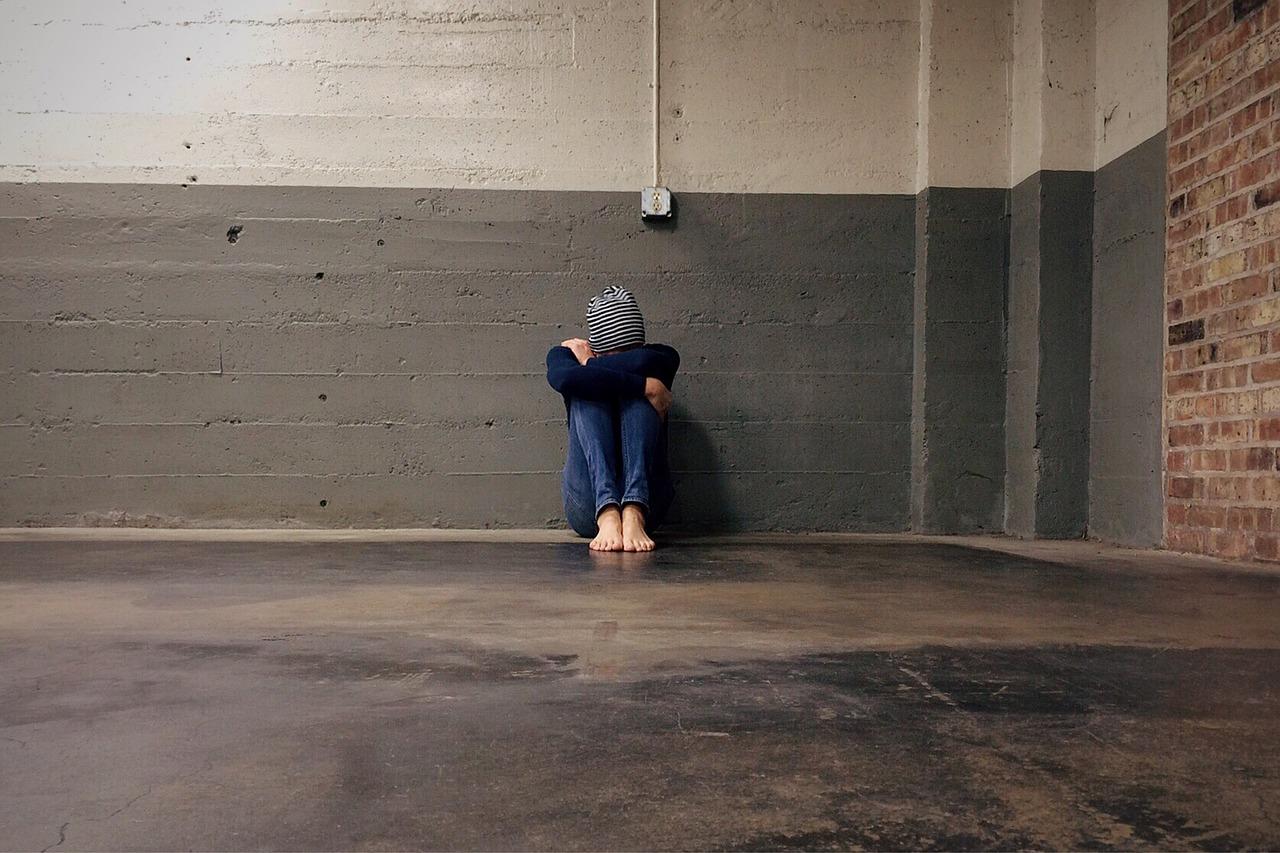
Ankita is upset and bewildered. She is unable to understand her son's extremely unpredictable behavior. One minute, he is his usual sweet-natured self; the next, he is sulking, crying, slamming doors, and being disrespectful.
"He has become very emotional and is quick to anger, as well. But he is not even a teenager yet! I cannot understand why he is like this," the worried mother confides to her friends. To her surprise, friends with children around the same age tell her they are facing similar challenges. They too are puzzled and do not know how to handle this stage in their children.
Have you experienced this as well?
If so, you are not alone. Many parents are surprised when their cheerful child suddenly becomes emotional, argumentative, or unpredictable around the tween years. Understanding what is happening beneath the surface can help you support your child with greater confidence and empathy.
Understanding your tween's emotional changes
Children are constantly growing and changing. As they near their teenage years, they experience major physical, emotional, hormonal, and neurological changes.
Some changes are easy to notice, while others happen quietly beneath the surface. At the same time, tweens face increasing academic expectations, social pressures, and a growing desire for independence.
Psychologist Aarti Rajaratnam explains: "Tweens go through major changes physically, hormonally, emotionally, neurologically, and also have to deal with a sudden jump in academic goals and pressures."
Children, like adults, can feel overwhelmed with several changes occurring simultaneously. Imagine how confusing it can be for your child.
How parents can help
- Recognize and accept these changes
- Understand that your child is beginning to form independent opinions
- Growing independent does not mean that your child needs you less.
Ms Aarti stresses:
"A supportive environment is essential. The best way to deal with this age group is for parents (and other adults, like teachers) to be more understanding and empathetic, instead of demanding and punitive."
Why mood swings are common during the tween years
Tweens experience significant mood swings throughout the day, such as sudden anger outbursts, sulking, and reacting strongly to situations that seem minor to you.
Difficult as it may be to stay calm through these intense emotions, remember they are part of your child's development.
According to Ms Aarti:
"Anger is the one emotion that most parents and teachers find hard to deal with because it also manifests as violence. However, even states like extreme anxiety, fear, and sadness are common in the tween years."
How parents can respond calmly
- Accept that changing moods are normal
- Stay patient during emotional outbursts
- Remember that your reactions influence how your child learns to manage emotions
- Encourage open, two-way communication
Ms Aarti says:
"With two-way communication and the opportunity to express themselves, most tweens settle down and develop emotional regulation gradually. What's more, the fastest predictor of this learning will be the opportunity to model adults who also deal effectively with emotions like anger."
Emotional maturity takes time
Tweens experience strong emotions and sometimes may not even understand why they feel upset. And their emotional regulation skills are still developing.
Psychologist Dr Sulata Shenoy says:
Help your child understand feelings
Psychologist Dr Sulata Shenoy says:
"Asking why your child is crying over something so silly usually does not help because your child may genuinely be unable to explain what they are feeling.
Try to nurture your child's emotional maturity, as that is a vital life skill. This requires modeling emotional maturity for your child, too.
"Recognize that emotions are not right or wrong. What matters is how emotions are expressed."
What parents can do
- Avoid dismissing or belittling your child's feelings.
- Listen without immediately trying to solve the problem.
- Help your child name emotions.
- Manage your own emotions calmly.
- Reassure your child that what they are feeling is okay.
Over time, children learn emotional regulation by observing the adults around them.
When tweens push boundaries and test limits
Tweens may behave disrespectfully by being argumentative or rude when you remind them of things they need to do, or try to maintain boundaries. They may slam doors and say hurtful things such as:
- "I hate you!"
- "You're so unfair!"
- "You never understand me!"
These hurtful words are usually expressions of frustration, not a lack of love.
Stay firm without taking it personally
- Avoid reacting immediately
- Give everyone time to calm down
- Listen, don't lecture
- Acknowledge your child's feelings
- Be firm about important family rules.
- Help them manage their time
- Remind them that some family rules are non-negotiable.
Once everyone has calmed down, reassure your child that you still love them, even when you disagree with their behavior.
Everyday habits affect your tweens' emotions
Sometimes, mood swings are influenced by everyday factors such as sleep deprivation, poor diet habits, or unregulated screen time.
"Hunger, lack of sleep, and stress (at school or home) can aggravate the condition, so it is important to take care of these factors first."
Pay attention to sleep, food, stress, and screens
Ensure your child:
- Gets adequate sleep
- Eats nutritious meals
- Has enough physical activity
- Enjoys unstructured play and social interaction
- Has healthy screen-time habits
Children are also highly sensitive to emotional tension at home. Frequent conflict between parents can affect a child's emotional well-being.
Encouraging sports, dance, martial arts, or outdoor play can boost your child's confidence and help regulate emotions.
When should parents seek professional help?
Although mood swings are a normal part of the tween years, professional support may be necessary if your child:
- Experiences prolonged sadness or anxiety
- Shows severe aggression
- Talks about self-harm
- Withdraws from friends and activities
- Experiences significant changes in sleep or appetite
- Struggles at school or in relationships
Seeking help early can make a significant difference.
Stay connected through the tween years
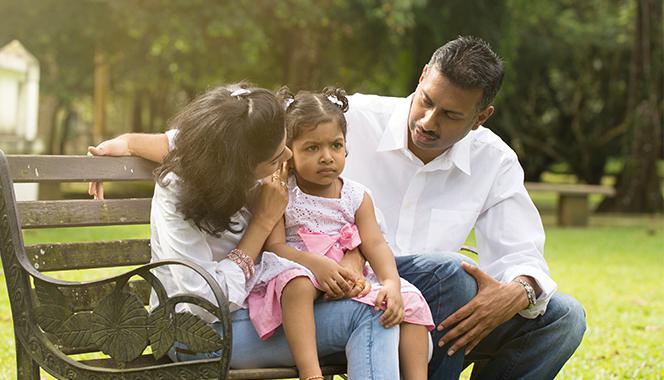
Your tween may appear independent, but deep down, they still need reassurance that you are there for them.
The tween years are a bridge between childhood and adolescence. The emotional connection you build now will prepare your child for the greater changes that lie ahead.
Most importantly, let your child know that no matter how difficult the day has been, your love for them remains constant.
Parent checklist: Supporting your tween through mood swings
Accept that mood swings and strong emotions are a normal part of the tween years.
Listen without immediately judging, correcting, or dismissing your child's feelings.
Stay calm and avoid taking angry words or outbursts personally.
Set clear and respectful boundaries while remaining warm and supportive.
Prioritize healthy routines such as adequate sleep, nutritious food, physical activity, and balanced screen time.
Spend regular one-on-one time with your tween to stay connected.
Seek professional support if emotional or behavioral changes become severe, persistent, or begin affecting school, friendships, or family life.
Remember, your tween may be growing more independent, but they still need your love, patience, and reassurance.
Aarti Rajaratnam is a psychologist and parenting coach who works with children, adolescents, and families.
Dr Sulata Shenoy is a psychologist and counselor with extensive experience in child development, emotional well-being, and parenting.
This article was featured in the June 28, 2026, edition of The Free Press Journal
Editorially updated on: June 09, 2026





























Comments
Gabriel Añel (gabe) Nov 30, 2023
Good stuff! ❤️
Edit
Comment Flag
Cancel Update