
Indoor Games And Activities For Kids: Fun Ways To Play And Build Skills At Home
Kumudam Berkin
Looking for fun indoor games and activities for kids? Discover easy, screen-free play ideas that boost creativity, learning, and essential skills, right at home.
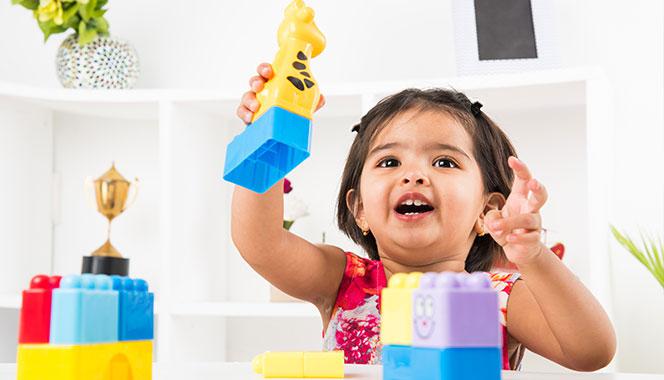
With technology at the forefront, an increasing number of children prefer to stay indoors and spend time on their gadgets. Although playing outdoors is essential for your child's physical development and social skills, playing indoors is equally important, especially when the weather plays spoilsport.
10 fun skill-building indoor games and activities for little children
1. I Spy
This is quite an old game and is called 'I spy something with my little eye,' and requires a minimum of 2 players. This game can help improve your child's observation skills.
How to play:
|
2. Hide and Seek
Hide and seek is an age-old game that has not lost its charm. Your child and their friends will have a good time hiding and finding each other. Just make sure you draw clear rules about hiding places to ensure safety.
What you will need:
How to play:
|
3. Treasure Hunt
This game will get children moving and needs some preparation. It helps them build problem-solving skills and gives them a sense of adventure. The treasures could be as simple as a box of crayons or coloring books.
What you will need for the treasure:
How to play:
|
4. Obstacle course
An obstacle course is not just for people in the armed forces. Your child can get the required amount of physical activity from this engaging game.
What you will need:
How to play: Create a trail of sorts with all the above items and let the children jump, roll, and somersault over them. This is not only fun but also works up a good appetite! |
5. Musical Chairs
This game is entertaining for kids as well as adults. All you need is music and a few chairs. Ensure that you resolve any conflicts fairly regarding who first sat on the chair and comfort the kids who get out of the game.
What you will need:
How to play:
|
6. Balancing Beam
This is a challenging game, and two or more kids will enjoy it. You could make it more fun by scoring points. This activity helps your child build balance and coordination skills.
What you will need:
How to play:
|
7. Sorting
This is a fun activity for toddlers that helps them compare, classify, and organise objects based on their similarities or differences. This will not only keep them occupied for a long time but also help them learn colours, shapes, and sizes.
What you will need:
How to play:
|
8. Jigsaw Puzzles
An all-time favourite, these puzzles come in all shapes and sizes. Assembling jigsaw puzzles introduces your child to visual-spatial skills, thinking skills, and problem-solving skills.
What you will need:
How to play:
|
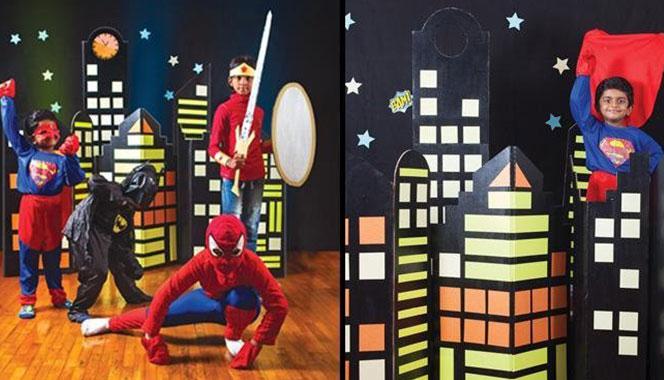
9. Home Skit
This group activity is for older children, 6 years and above. It not only develops your child's confidence and acting skills but also their imagination.
What you will need:
How to conduct:
|
10. Alphabet Game
This is a fun way to keep your children while building their vocabulary and language skills. A minimum of five kids will make this game a lot of fun.
How to play:
|
Why indoor games and activities are important for children
When children play outdoors, they bond with siblings and friends. Playing indoor games gives a chance for the whole family to interact closely with each other. Both outdoor and indoor games are equally important.
The advantages of indoor play for children
Kids are relatively safe from injury in the comfort and safety of their homes. Playing indoors teaches your child to invite other children and bond with peers. Children also learn to bond with older and younger siblings, thereby learning to share and play fair.
Giving children an opportunity to play indoors helps children be happy with whatever they have. Also, they do not get cranky if the weather is bad. It is also less stressful for parents as they can keep a close eye on their little ones.
Last updated on: December 08, 2025






















Comments
Edit
Comment Flag
Cancel Update