
Screen-Free Activities To Strengthen The Parent-Child Bond And Build A Lasting Connection
Ashwin Lobo
Looking to spend quality time with your child, without screens? Discover fun, meaningful activities that bring you closer, spark conversation, and help build a strong, lasting relationship

The relationship children share with their parents plays a critical role in their development. A strong parent-child relationship not only becomes a model for children as they grow into adulthood but also enriches their lives with happy memories.
To forge a strong parent-child relationship, besides fulfilling the physical needs of children, it is also important to address and satisfy their emotional needs. Spending meaningful time with parents serves children in various ways—the interactions create opportunities to share their thoughts and ideas, to be curious, and to explore their thoughts, ideas, and emotions.
According to Arundhati Swamy, counselor and Head, Parent Engagement Programmes at ParentCircle: "Social and emotional skills are the foundations upon which a child will learn about empathy, build relationships, and learn to get on well with others. For these skills to grow, a child needs caring parents who will connect with their thoughts and emotions, and meet their needs appropriately."
Partnerships create lasting bonds
Spending time with parents makes a child feel special. It helps parents understand their child's ideas and feelings. Anitha, a mother of two preteens, says, "After dinner, we sit down to talk about what we have done during the day. And when I tell my kids about how I spent my day, they ask so many questions. This helps me understand how they view the world, what they think about me, and what I do."
While parents and children need to spend time together, what they do during that time matters even more. Sindhu, mother of 3-year-old Maya, says, "We make cakes together. While I do the baking, Maya learns how to measure ingredients, and her confidence grows when she shows the cake to family members."
Bonding activities for parents and children

Parent-child bonding activities for 2 - 5-year-olds
Toddlers become busy learning new things. Moving around the house, observing and exploring, picking different objects, and examining them by way of touch, smell, and taste helps them learn through multisensory experiences. "Your role as a parent becomes even more crucial here," notes Arundhati Swamy.
"A strong parent-child bond involves two-way responses, where the parent responds to a child's cues for attention. This sequence helps toddlers with important tasks such as food intake, sleep, toilet training, and safety in movement. The child learns what they can and cannot control, develops a sense of free will, and learns to do little things for themself. The toddler begins to feel bad and doubts themself when they try and fail at tasks. Supportive parents show empathy and encourage the child to keep trying. For pre-schoolers, it is a time for exploration, adventure, and play. There is purpose and direction in what they choose to do. Parental attention during this stage ensures that the child returns home to warmth, understanding, and support. This is how strong bonds are formed between parent and child."
Here are a few bonding activities you can do with your child:
1. Read picture books together

Reading together promotes interesting conversations between parent and child. The relaxed mood is calming, warm, and friendly. Your child feels safe and secure in the deep moments of togetherness.
2. Go for walks together

Exploring nature together is sheer discovery and adventure. So, when you have some free time, hold your toddler's little hand and take them out for a walk. Answering their questions and explaining things lets your child know that you value their thoughts.
3. Color pictures together
Pick up a coloring book and some crayons and immerse yourselves in conversation. You will be surprised at the things your child talks about - the funny, silly, and serious. The emotional bonding is priceless.
4. Tell stories together
There are few things children love more than a good story. Take a trip down memory lane and recall some of the stories you listened to as a child, or come up with your own. Building a story together is great fun, and it stimulates your child's creativity. It makes them feel valued.
5. Do chores together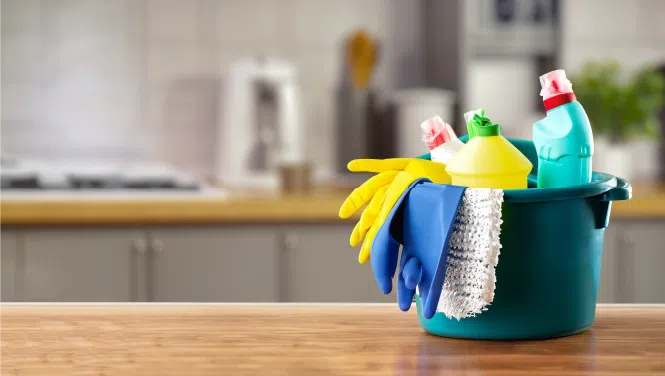
When you're busy with household chores and your child wants to help, you might feel that they're getting in the way. But look at it as an opportunity to bond with each other. Make them your partner, show respect for their need to learn new skills and feel useful.
Parent-child bonding activities for 6 -12-year-olds
Children in this age group are more self-aware. They engage in more complex activities and interact more with those around them.
Arundhati Swamy says, "This is the age when children are immersed in school life. They are building relationships with teachers, friends, and people in the neighborhood. And they are learning about many things through these relationships. They need their parents to help them navigate their way through the ups and downs of these relationships. They are also preoccupied with learning to do things correctly and well. They want to achieve and experience success in academic, co-curricular, and extracurricular activities. Children will require a great deal of interaction with their parents to help them plan and organize their time and activities. Poor parental involvement or excessive control can cause the child to become lazy and dull."
This is a critical period during which your child's self-worth must be nourished. Parents must meet their child's needs for discovery, competition, and achievement.
1. Play board games together
Playing board games with your child with enthusiasm and involvement is a stimulating way to get them to use their thinking skills, face up to challenges, and experience intense emotions triggered by victory and defeat. Your presence through these experiences helps you understand your child's strengths and limitations. Based on these important observations, you will be able to guide them in areas such as emotional regulation, learning from mistakes, playing fair, making decisions, planning strategies, and critical thinking.
2. Cook a meal together
Cooking does not have to be only about the process. The conversations can become more intimate - personal stories, likes and dislikes, innovative ideas, and much more. It makes your child feel listened to and appreciated.
3. Paint a picture together
When you paint or draw a picture together, there is curiosity, camaraderie, and fun. Spending joyful moments together creates warm memories and makes your child appreciate the fun side of you.
4. Plant a garden together
The feel of soil on the hands, the smells of leaves and flowers, and the sounds of nature are strong sensory experiences that relax and calm the mind. Planting seeds and tending to the plants evoke feelings of caring and nurturing. Your child and you learn valuable lessons about nurturing and caring for each other.
5. Have conversations together
If you want to bond with your child, you don't always have to ensure that they're having a great time. Sometimes, just sitting down, chatting, and taking an interest in their life is enough. Let the conversation flow freely so that your child feels comfortable talking about anything without any inhibitions.

Parent-child bonding activities for 13 -18-year-olds
Teenagers are on the cusp of adulthood. They are trying to understand their place in the world, how they can fit in, and what they want to do in the future. This is a critical age, and as parents, you must realize that your child needs you, but on their terms. You need to be supportive, rather than controlling.
"Teens are busy creating their own personal and social identities amidst preoccupations with their thoughts and desires. They are building strong relationships with peers and friends, learning more about themselves through group interactions. They also have to decide which (peer) group to belong to. Thus, they learn about loyalty, dependability, and trust in relationships. At the personal level, teens are looking for opportunities to use their abilities and set their goals. They need parents to give direction and help them develop a clear sense of who they are and what they want to be. A lack of parental understanding could drive the teen to become intolerant and trapped in extreme and biased ideologies," observes Arundhati.
1. Serve the community together
Visiting an orphanage or a home for the aged with your teen is likely to be a shared emotional experience that evokes empathy. The experience of helping people is very fulfilling, and when you do this together, the empathy you feel for the inmates makes you more sensitive to each other.
2. Play video games together
Your child is likely to be better at video games than you are, so getting them to teach you something for a change is likely to boost their confidence. Your companionship is the cement that will strengthen your relationship.
3. Travel together

An overnight stay, a short trip out of town, or a trek in the woods gives your child and you exclusive time together, without the distractions of home and work. The spirit of adventure, fears of the unknown, challenges, and the risks faced together are all vital experiences that build strong bonds.
4. Eat out together
Few things bring people together as food does, so make going out for a meal a practice that you both look forward to. Conversations are struck up spontaneously over food. It is a good opportunity to find out what's going on in your child's life so that you know when to reach out for help.
5. Do workouts together
Working out or exercising together creates a special bond as you encourage and motivate each other to stay fit. So, go on a run with your teen, take a yoga class together, or play a sport.
No matter the age of your child, spending some dedicated quality time together is essential to strengthening your relationship. And, don't just limit yourself to the activities we've suggested. Decide what you want to engage in based on your interests. Together, every game you play, every meal you eat, every adventure you go on, and every conversation you have will deepen the bond you share.
Make quality time with family unforgettable - Try our family bonding activities for a closer connection!






























Comments
Edit
Comment Flag
Cancel Update