
Unlearning the Rote: A Parent’s Path To Experiential Education For Their Children
Team ParentCircle
ParentCircle empowers parents to raise successful children through holistic parenting.
Sudha Maheshwari talks about how transitioning from rote memorization to experiential, critical thinking-based learning reshaped her journey from excelling in exams to thriving in real-world challenges, highlighting the importance of choosing the right education for children in today’s evolving world.
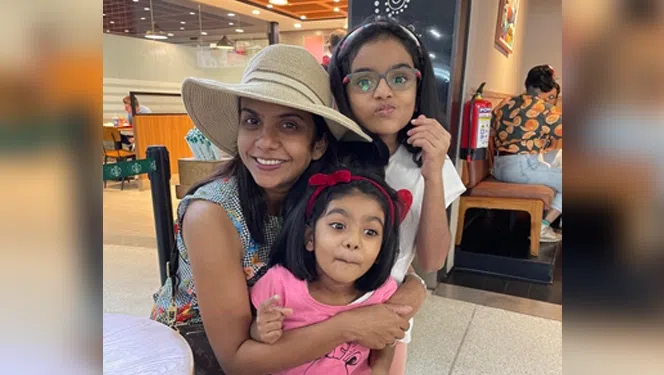
Although it’s been nearly three decades since I graduated from school, it still feels like just yesterday that I was cramming for half-yearly, final, and board exams. Year after year, whether in school or college, life revolved around exams and an endless cycle of results.
While there were occasional moments of joy with sports, debates, and picnics, life after the 8th grade became dominated by tuition classes, past papers, mock tests, and a relentless focus on results.
Back then, neither we nor our parents questioned this system, which prioritized rote memorization over meaningful learning. It was all about reproducing answers on sheets of paper, often without reflecting on the actual knowledge or skills we were acquiring. And let me assure you, this wasn’t a flaw unique to any one board or education system. My father’s transferable job meant I moved across the country for schooling, switching boards four times in my 14 years of education. While the difficulty level varied, the approach remained the same—a focus on rote learning and standardization rather than critical thinking. Transitioning from school to undergraduate college in India wasn’t much different. The result? I grew up as a master of memorization, with top grades and certificates of distinction as my proud achievements.
Armed with those certificates, a spring in my step, and the belief that I was the “cat’s whiskers,” I landed at a leading university in the UK to pursue a Master’s degree in Economics. What awaited me was a rude awakening—I was expected to apply myself! For someone conditioned to memorize and regurgitate, this was an entirely new experience. And I wasn’t alone. None of the Indians in my batch were prepared for this shift.
That year became a humbling and transformative experience for me. It forced me to unlearn old habits, embrace new ways of thinking, and engage deeply with concepts. I had to solve complex problems, undertake projects, and complete dissertations—all of which required critical thinking and practical application. This period was instrumental in reshaping how I approach learning and life itself.
Since then, there’s been no looking back. The exposure to an education system focused on true learning instead of rote memorization was a game-changer. It transformed my approach to challenges, opportunities, and education. After gaining some work experience, I returned to the same university to pursue an MBA in Marketing. Today, 15 years later, I lead a successful marketing agency—a testament to the power of education that promotes critical thinking, application, and growth.
My journey has taught me the vital importance of choosing the right education system for children—a choice I cannot emphasize enough. Thankfully, the education landscape in India has evolved significantly since my school days. Today, there is a wide variety of boards, teaching styles, and schooling options, each offering different approaches to learning.
For my daughter, initially, I chose a top-ranking school, one of the most reputed in the country. However, I soon realized that its methods hadn’t adapted to modern educational trends. The school still adhered to traditional learning models, lacking the modern, experiential teaching methods that emphasize research, inquiry, and application.
But before we dive deeper into the impact of experiential learning, let’s take a moment to truly understand what it means and what it should look like in schools. While the term “experiential learning” has become a buzzword among schools vying for student applications, it’s often used loosely and inconsistently. Phrases like “21st-century skills,” “global citizens,” and “experiential learning” are frequently thrown around, but few schools have truly integrated these principles into their teaching methods. For many institutions, these concepts are merely re-packaged versions of the traditional project-based systems that have been a staple in schools for years.
In today’s digital era, children face pressures that we never had to contend with. Schools must go beyond traditional academics to prepare students for an unpredictable future. Institutions that integrate socio-emotional learning, digital literacy, and mindfulness into their daily curriculum are, in my opinion, the best equipped to nurture resilient, confident children. These children will be better prepared to face the complexities of the world ahead.
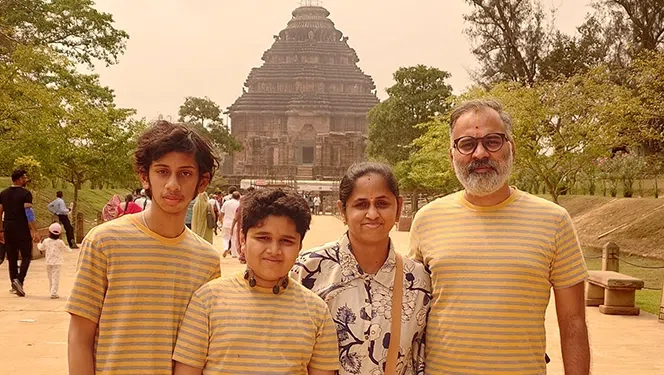
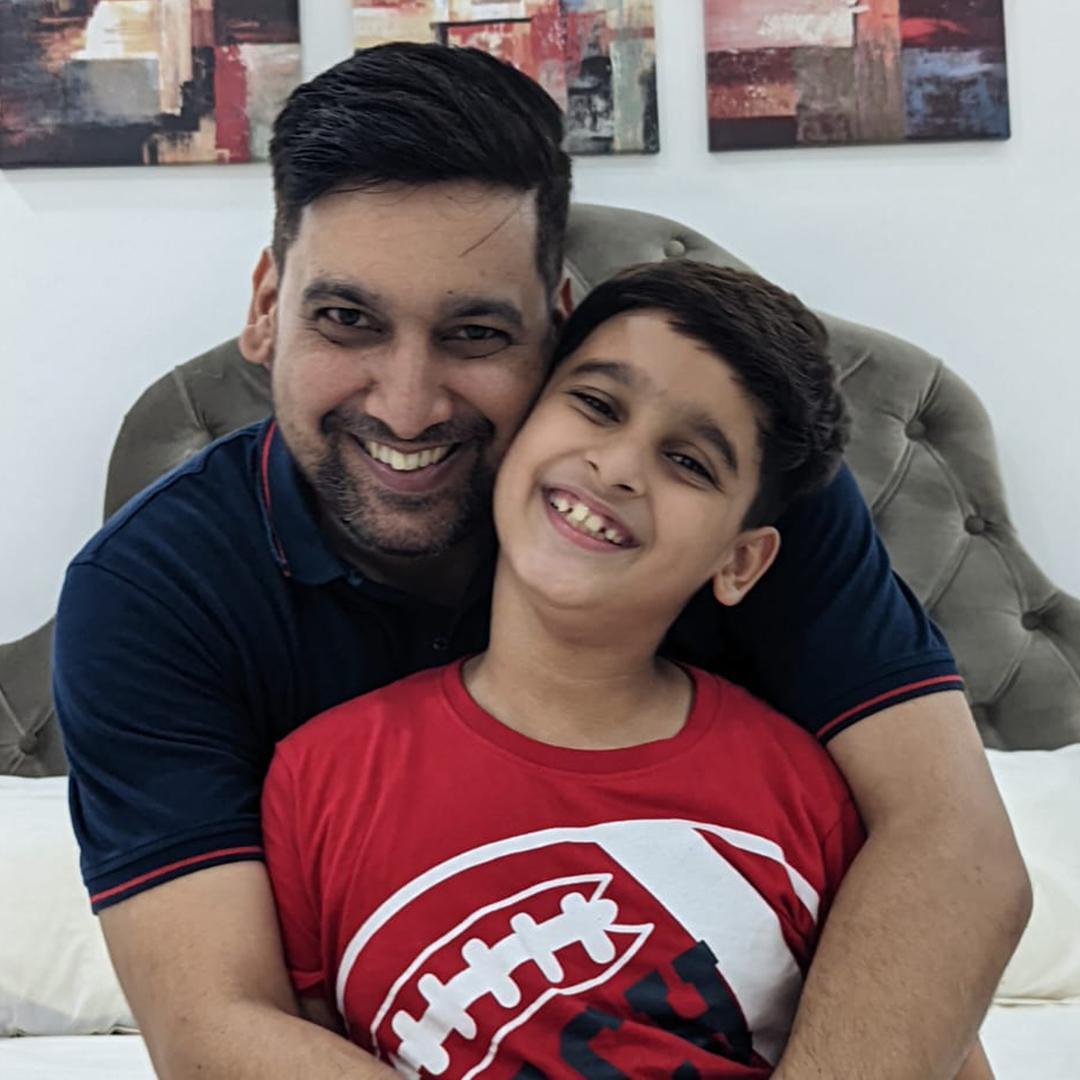
It’s been a couple of years since I transitioned both my children to a leading experiential learning school in the city, and the transformation has been truly remarkable. They’ve evolved from children who memorized, regurgitated, and excelled only on paper, to ones who deeply understand, connect with, and apply concepts in ways that will stay with them for life.
With true understanding comes confidence, and when that confidence is paired with the freedom to experiment, tinker, fail, and try again, it creates a powerful foundation. This combination of knowledge, resilience, and curiosity is equipping them with the essential skills they’ll need to navigate and thrive in the ever-changing world that lies ahead.
Our journey from rote learning to meaningful exploration has shown me that true education goes beyond memorization—it fosters curiosity, resilience, and confidence. By prioritizing experiential learning and holistic development, we can equip our children to navigate the challenges of the future with purpose and adaptability.
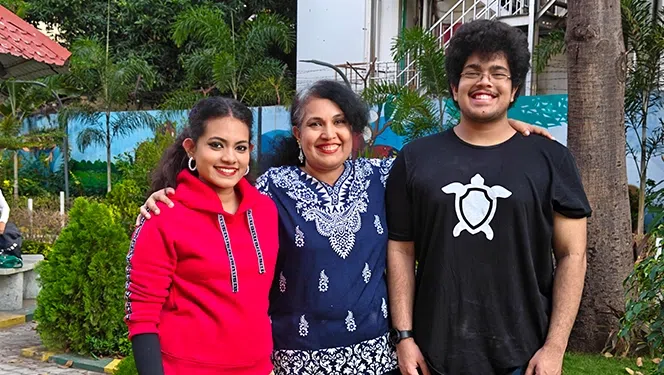
The author Sudha Maheshwari is Founder and CEO of Wordswork.























Comments
Edit
Comment Flag
Cancel Update