
Help! Extra-curricular Activities Are Getting In The Way Of Exam Prep
Team ParentCircle
Your child is excited about art, but your mind is on his board exams due in under a year. How do you tread the path between your expectations and your childs will?
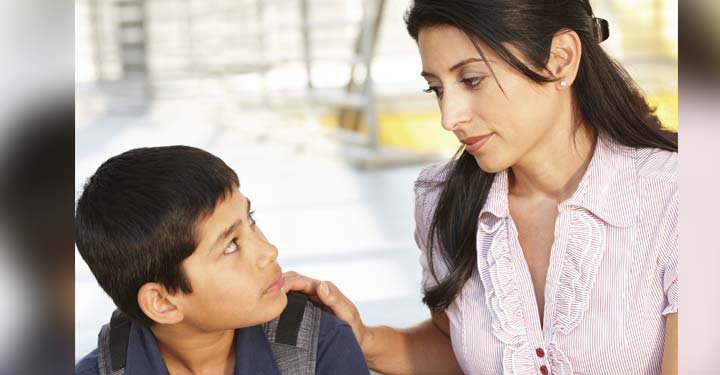
Like most parents of children entering their teens, you think of board exams, entrance exams, higher education, opportunities, and competition. On the other hand, your happy-go-lucky child is living in the moment. They love their dance, art and crafts, and whatnot! The battle lines are drawn. Well, how do you communicate your expectations in ways that can make your child feel heard and understood? How do you encourage them to find the right balance between interests and challenges life offers? Let's find out. In our Parent-Expert series, a few parents share their concerns.
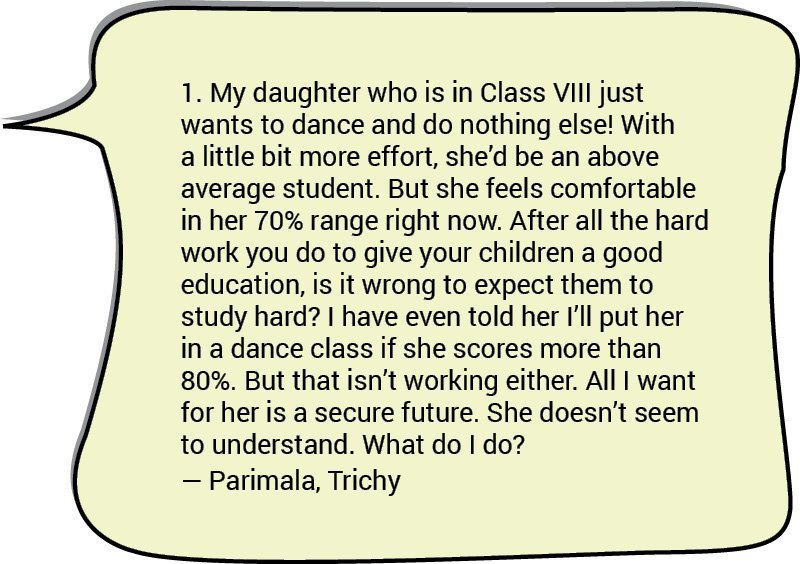
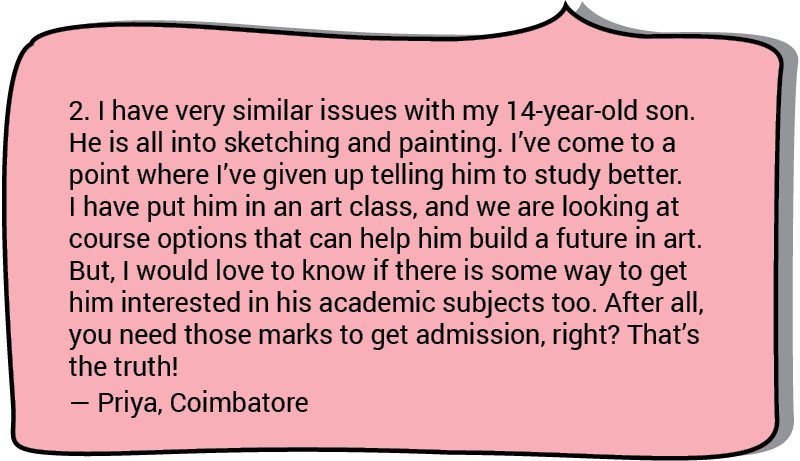
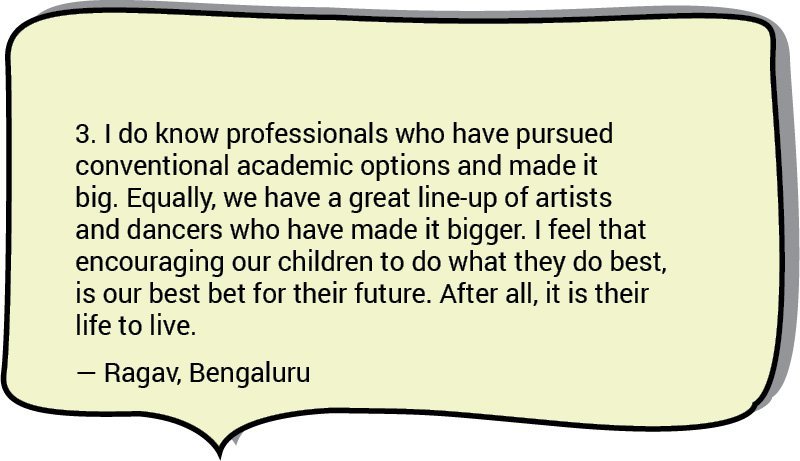
An interesting blend of thoughts, isn't it? Let's now listen to what our expert, Arundhati Swamy, Counsellor and Head -Parent Engagement Programme, ParentCircle, has to say.
Parimala, your daughter seems to be leading you into a merry dance in which you find yourself quite out of step! Believe me when I say you're not alone in this. As a parent, you probably have high expectations of your child, and rightly so. The key to your dilemma lies in understanding your child's strengths and aligning them with your expectations, in both studies and dance. Without realizing it, by ignoring or devaluing her interest in dance, you are telling your daughter that you have low expectations of her strengths. As a result, her self-esteem takes a plunge.
Would you like to try a new approach to help your daughter?
Let me explain a 5-way approach to finding the right balance:
1. Approach dance and academics as two separate entities
By pitting one against the other, you are forcing your child to choose dance over academics. Ideally, she needs to see value in each one of them. The trick is for you to work with the dance aspect first, simply because it means so much to your daughter. Equally, we won't neglect what's important for you - her studies. We'll just get to it later.
2. Form a partnership with your child
Take the lead by stepping over to your daughter's side. Use her interest in dance as the key to entering her inner world. Feel privileged, not entitled, as you get to explore the dancer in your child. Tune in to her passion for dance, how it all started, who her role models are, the dance style she prefers, her aspirations, and more. You may think that these conversations will dilute the importance of studies. On the contrary, they will break down any existing barriers and improve your relationship. So, get ready to feel genuinely awed and fascinated by what she shares with you. Reciprocate by sharing some of your own stories of opportunity or the lack of it during your growing-up years. Both you and your child could gain new insights from each other about studies and other interests.
3. Recognize your child's strengths
You could start the conversation with, "You love dance so much. I see your passion, focus, determination, creativity, and confidence." It will make her feel great to hear this from you. Then, indulge in regular conversations that help you understand the depth of her passion, her mixed emotions, her variety of experiences, how she copes with challenges, and what success means to her. Together, these elements constitute the building blocks of her approach to life. In short, you will understand her interests more deeply.
4. Express your appreciation
Here's how you can admire, appreciate, and encourage your daughter. "I can see what dance does to you. I see the beauty and grace of your movements. You never tire from the hard work you put into dance. It makes you feel so special, isn't it?" Now wait for those kind words of empathy to sink in and work their magic on her. She will soon understand that you are aware of her uniqueness, that you are paying attention to her needs, that you feel her feelings, and that you care about what's important to her. Watch how her attitude towards you changes for the better. Her frustration and disappointment will gradually turn into relief and joy, while the resentment will turn into cooperation and a willingness to listen and understand your point of view. Eventually, this will pave the way for open discussions on your concerns about her studies.
5. Show her how to use her strengths
You can remind your daughter about the skills of focus and discipline she demonstrates in dance. Help her see how those skills can be used in anything she wants to succeed in, including academics. Help her set limits and manage her time between dance and studies. Above all, raise your expectations to match her abilities in academics and she will do the best she can.
Parimala, we hope that your daughter and you will soon find yourselves in step with each other - leading, following and adapting as you go along. Have fun!
Priya, it's quite a struggle getting your son to find a balance between art and studies, isn't it? The issue is, in many ways, linked to a child's age and development. Children in their late teens arrive at clearer choices after dabbling in a variety of interests. Could it be that your son has begun that journey and is zeroing in on the one core interest that he wants to pursue in the long term? However, he may need help to know whether his passion for art will turn into a career or remain a preferred hobby he wishes to pursue actively alongside a career. The preference may emerge with time, so decisions about his future and career can be deferred for now. You will need to be the guiding force each time your son has a query in this regard. So, equip yourself to deal with the situation. Keep an open mind as you hear him out. Ask questions that make him think further.
Either way, we see the need to impress upon him the importance of doing well in his studies as well. You've tried hard but it's not working, and you may not know how else to proceed. It would be a good idea to step back and review your feelings of confusion and frustration, which, by the way, are giving your son mixed messages. Would you like to follow the cues we have shared with Parimala? They can help bridge the gap in your relationship with your son and lead to better understanding and cooperation. The effort can help you shift from the frustrations of giving up, to the joys of becoming a supportive parent.
We hope your renewed efforts will give you the confidence to guide and support your son.
Ragav, your point of view reflects what many parents struggle with as they debate between the security of traditional careers and the adventure of offbeat options. We worry about the future of our children and often overstep our role by imposing our ideas early, enough to cause resentment in our children.
So, for now, let's put the future aside and focus on giving our children opportunities to explore their newfound interests. After all, every new experience will lead them to discover their many strengths even as you discover a whole new world they live in.
Unlike our times, children of today have innumerable options to choose from. As parents, could we allow them to explore, discover and experiment with all kinds of interests? They learn much about themselves from these experiences. As the poet W.B. Yeats said, "Tread softly, for you tread on my dreams."
To join similar discussions, join our circles: https://www.parentcircle.com/communities

























Comments
Edit
Comment Flag
Cancel Update