
Fun Recycling Projects For Kids: Easy DIY Activities To Teach Sustainability At Home
Amrita Gracias
Waste is wasteful only if you treat it so. Looking for simple ways to teach your child about recycling? Try these fun, hands-on DIY projects that turn everyday waste into creative learning experiences at home
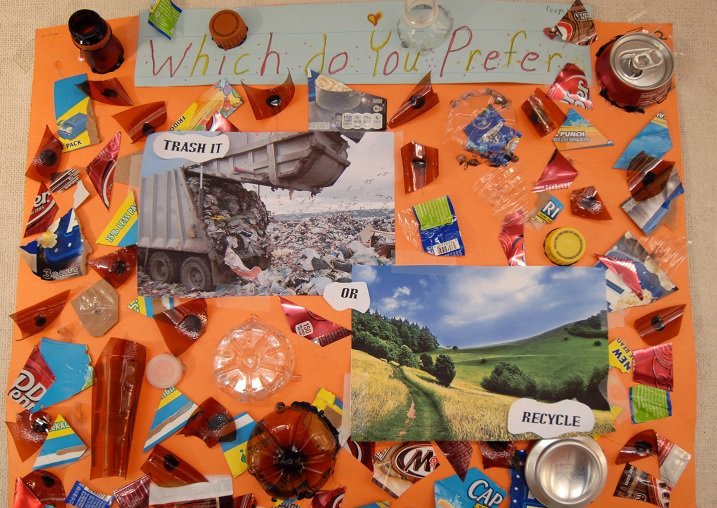
Why teaching children about recycling matters today
Reduce, reuse, and recycle. A phrase most people are familiar with. But do our children understand its significance and the importance of practicing it?
It is imperative that your child learns and understands what happens when we don't take care of our environment and the unfortunate consequences that our planet will have to endure because of our carelessness.
Recycling is one way you can teach your child to conserve resources and reuse them, rather than discard or dispose of them, and add to our mounds of waste. It is also important that they understand that recycling is not just about segregating and throwing recyclable stuff into designated bins. Rather, it is also about reusing recyclable material in various ways in our homes or schools. Learn some easy DIY activities to make the best out of waste materials.
How recycling helps children learn responsibility and sustainability
The habit of recycling will help your child understand their responsibility toward nature and the environment. They will learn about sustainability, how to minimize wastage, and how to make do with what they have rather than spend money on new things.
Recycling as a fun way to learn science concepts
Interestingly, recycling is also a great way to teach your child basic science. Recycling projects are a fun way for children to learn about the importance of the process. They also make for fascinating science experiments and are a great way to keep them occupied in constructive ways.
Fun recycling projects for kids using everyday waste materials
Recycling activities for classes 1, 2, and 3
1. Make a snowman out of a sock
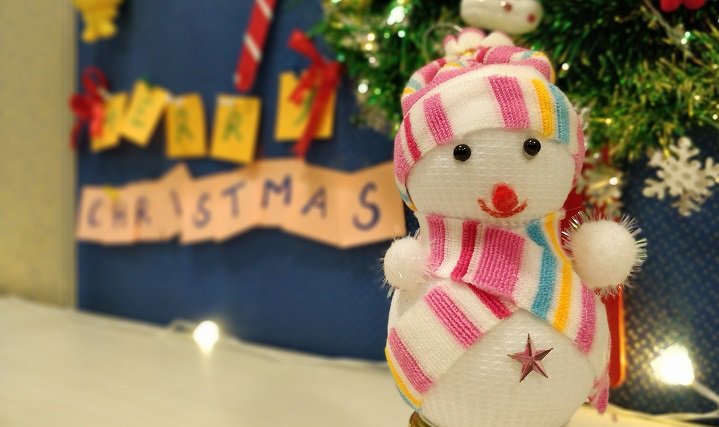
You are sure to have a bunch of old socks lying around at home. Or, perhaps, even a pair or two that your child has outgrown. Use it as a perfect example to teach your child to make something out of a 'rag', rather than throwing it out.
What you need:
- 1 white (or light-colored) sock
- 1 colored sock
- Elastic rubber bands
- Buttons (any color)
- Small seeds or grains of rice/pulses (to fill the sock with)
- A strip of cloth or ribbon (any color)
- A pair of scissors
- Glue
- Bits of colored paper or colored bindis
- A small piece of cardboard from a box (optional)
What to do:
- Cut the sock in half.
- Turn it inside out and fill it with the small seeds or grains.
- Make sure the base is round and firm so that it can stand. If you wish, you can glue it to a piece of cardboard.
- Secure the top tightly with a rubber band. This part forms the snowman's body.
- Now tie another rubber band way up to form the head of the snowman.
- Glue the buttons onto the body.
- Glue pieces of paper or stick the bindis for the eyes and mouth.
- Roll a small piece of colored paper into a conical shape for the nose and stick it in place.
- Make a hat using colored paper.
- Cut off the top portion of the colored sock to make room for the snowman's hat. Secure the hat by gluing it to the head.
- Tie the strip of cloth or ribbon around the neck as a muffler.
2. Turn a plastic bottle into a piggy bank
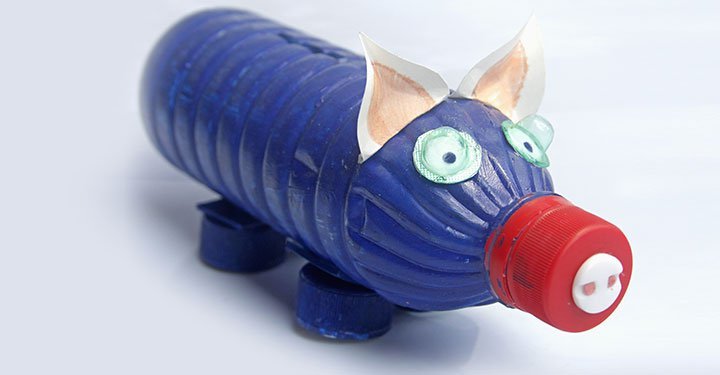
The next time you want to get rid of a plastic bottle, why don't you teach your child to put it to good use by making something fun and interesting out of it? This piggy bank is the perfect example of how to reuse a common item and teach them why it's important to save, too!
What you need:
- An empty plastic bottle
- Colored/white paper
- Glue
- Tape
- A penknife (make sure you supervise your child when she uses it)
- Felt pens/crayons/paint (optional)
- Small bottle caps (optional)
What to do:
- Make sure the bottle is clean and dry.
- On the side of the bottle, make a slit just big enough for a coin to go through.
- Tape up the edges of the slit to make them smooth.
- Cover the bottle with the colored paper. Or you can use white paper and draw or color patterns on it.
- You can even design the bottle to look like a little pig. Cut out paper in the shape of ears and glue it onto the bottle.
- Stick smaller pieces for the eyes and nose (on the bottle cap).
- Stick the small bottle caps at angles as legs on the underside of the bottle.
Recycling activities for classes 2, 3, and 4
3. Make a terrarium out of a plastic bottle
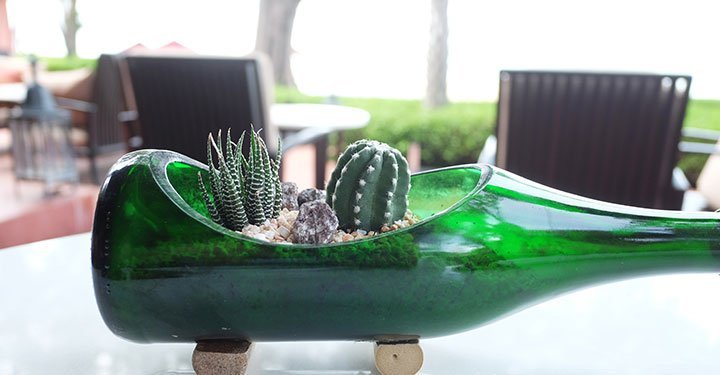
A terrarium is a closed container with plants. A perfect recycling project, this is also an exciting way for your child to learn about the science behind the water cycle!
What you need:
A large plastic bottle (2-liter juice bottle) or an unused fishbowl
Tiny pebbles/gravel
Small plants (indoor or tropical; ferns are a good option)
Potting soil
Small tub or container for mixing
Penknife (make sure you supervise usage)
Bigger pebbles/toy animals (optional)
What to do:
- Clean and dry the bottle/bowl thoroughly.
- If you are using a plastic bottle, using the penknife, cut off about one-third of the surface of the bottle (making sure the top is wide enough for your hand to go in)
- Place the tiny pebbles/gravel at the base of the bottle to form a layer a few inches deep.
- Mix the soil with some water in the tub. It should be just moist enough for the soil to cling together.
- Fill the space with soil about half to one-third over the layer of pebbles.
- Place the plants in the soil, ensuring the roots are buried.
- Cover the container with a lid (tape the top of the bottle if you are using a plastic container) and place the terrarium in indirect sunlight.
- You don't need to water the terrarium. The moisture from the soil will evaporate to form tiny water droplets on the sides of the bottle, which will, in turn, fall back into the soil.
Note: Keep a close watch for the first few days. When moisture and tiny water droplets form along the sides of the bottle when in bright light, it means the terrarium contains the right amount of moisture for the plants to survive. However, if there is no moisture along the sides, it means that there isn't enough water in the soil. You will need to add some water. If the bottle is misty and you cannot see the plants clearly, then there is too much moisture. So, take off the lid for a few hours so excess water can evaporate.
4. Make recycled paper from waste paper
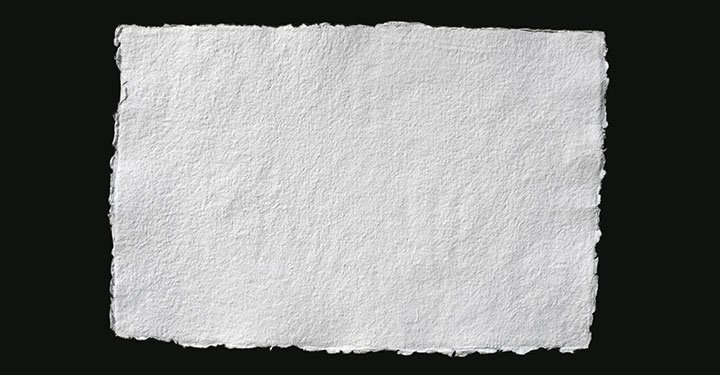
Does your child know how paper is made? This project will help them learn many things: the science of making paper, the importance of saving trees, and recycling items from their homes. Papermaking is also a wonderful sensory experience for your child.
What you need:
- Sheets of paper from old notebooks
- A large tub to soak the paper
- Old wooden picture frame
- A piece of wire mesh to fit into the frame
- An old towel
- Dried leaves or flower petals (optional)
What to do:
- Cut the paper into tiny bits.
- Place the paper bits in the tub and pour enough water over them.
- Leave them to soak overnight or even for a full day so the paper is reduced to a nice pulp.
- Place the frame on the towel and place the wire mesh inside the frame.
- Squeeze out as much water as you can from the paper pulp, spreading it evenly on the mesh in the frame.
- Place the dry leaves or flower petals on the pulp.
- Press them down hard so that the towel absorbs the extra water.
- Leave the pulp to dry.
- When completely dry, peel out the sheet of paper from the frame, and you will have your handmade paper.
Recycling activities for classes 3, 4, and 5
5. Make an herb garden out of egg cartons
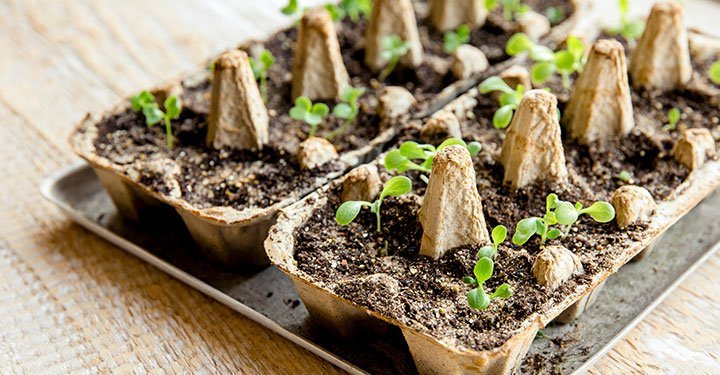
This is a good way for your child to learn about plants and plant life. This simple project can also help them understand that almost anything can be put to good use rather than simply treating it as garbage! And, you will even have herbs handy at your fingertips for your cooking.
What you need:
- Empty egg carton
- Empty eggshell halves
- Herb shoots with roots/seeds
- Soil
- A pair of scissors
- Toothpicks (optional)
- Small strips of paper (optional)
What to do:
- Cut out the top portion (lid) of the carton.
- Place the empty eggshell halves in each space.
- Fill the shells with soil.
- Plant the seeds/shoots in the soil.
- Pour some water.
- You can make labels for each herb.
- Stick the labels onto the toothpicks and fix them in their respective spaces.
- Watch the herbs grow.
Making recycling a fun family habit
We hope these fun projects will help your child understand the need for recycling and its potential to create a cleaner and more sustainable future. And also help you and your child spend some quality time together doing DIY!
Parent checklist
- Talk to your child about why recycling is important in simple terms
- Encourage your child to reuse items before throwing them away
- Keep a box at home to collect materials for DIY recycling projects
- Involve your child in simple, hands-on recycling activities regularly
- Use everyday moments to explain waste and conservation
- Let your child experiment and create freely without focusing on perfection
- Connect activities to saving trees, reducing waste
- Supervise when using tools like scissors or penknives
- Celebrate your child’s creations to build confidence and interest
- Make recycling a shared family habit, not just a one-time activity
Last updated on: April 30, 2026


























Comments
Edit
Comment Flag
Cancel Update