
Sensory Activities For Toddlers And Preschoolers That Are Engaging And Fun
Amrita Gracias
Sensorimotor skills are all-important in your child's development. Here are some simple, fun activities to help you enhance these skills in your child.

A child's cognitive development begins with the significant stage of sensorimotor development. This stage can be defined as the phase in which cognitive connections and growth take place in the brain as a result of the interaction between sensory and motor stimulation from the environment. Renowned Swiss psychologist Jean Piaget describes this stage as one in which 'infants are busy discovering relationships between their bodies and the environment'. While sensory skills are responsible for receiving information from the environment through our inherent senses of sight, hearing, smell, taste, and touch, motor skills allow the body to express the information received and processed. This vital collaboration is a fundamental tool that forms the basis for learning.
Sensorimotor skills development
Sensorimotor skills, start developing while the child is still in the mother's womb and continue to develop after birth and into the first two years of infancy. At birth, a baby uses its inherent sense of sight and hearing to react to stimuli from the environment. For example, they get startled by a loud sound and may react with a jerk. Their innate sense of hearing enables connections to be formed in the brain and the information is organized and processed to produce movement using their motor skills. The development and integration of sensory and motor skills, as they grow, are essential for the proper movement of their limbs. This coordination also allows them to learn to move their hand to their mouth, and thus, to use their sense of taste.
As a parent, you must encourage activities that help enhance your toddler's sensorimotor skills as 75 percent of the brain development takes place in the first six years. *Jeyalatha Martin, from Chennai, a Montessori educationist with over 25 years of experience in the field, explains that cognitive development in the first two years is most significant as it is in this period that the brain makes neural connections to form a network that can receive, store and process information. And, this happens only when the brain receives adequate stimuli that enable it to think and discover. So, once a child learns to sit, they can be given several activities that help connect their senses to understand a concept. She lists a few exercises for toddlers and preschoolers involving materials that are easily available in our homes.
Sensory activities for toddlers
Here is a list of sensory activities for toddlers:
1. Sand Box
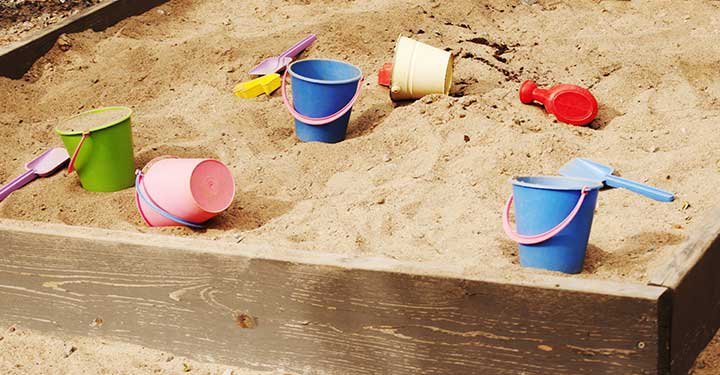
Sand is an extremely good sensorial material and can be manipulated in diverse ways. Put some beach sand in a small tray or box. Allow your toddler to play with it spontaneously and let them explore its texture. You could also hide small objects of different shapes (e.g. a bangle, a plastic tile, or a small toy) in the sand and ask them to find them. This will enable them to use their senses of touch and sight to find the objects and discover their different shapes.
2. Refined flour paste
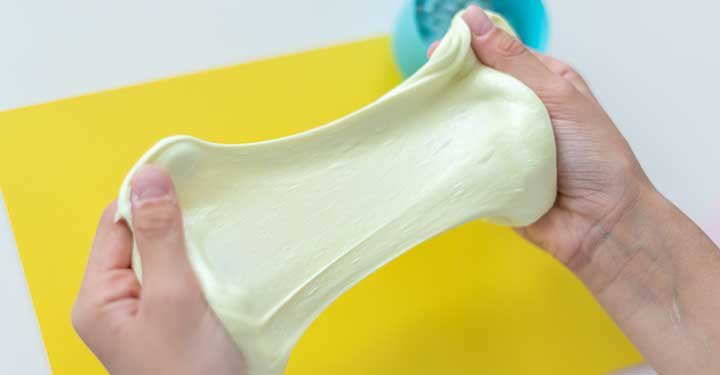
Mix a little water with some refined flour and let it cook for a while till it becomes a gooey paste. Once it cools, you can ask your toddler to take a handful of the paste and rub it on chart paper. They will enjoy playing with the slop, using their sense of touch to examine its soft and smooth consistency. They can even draw on it or trace outlines and shapes. The shape or pattern made by the child can be preserved once it dries. You could even add some natural food coloring to the paste to make it more interesting. For example, you can add a bit of red to a small portion of the paste and a bit of yellow to another. Place both portions of paste in an airtight bag and close it. Then, let the child squish and squeeze the bag and watch while both colors mix to magically form another color.
3. Sensory ball play
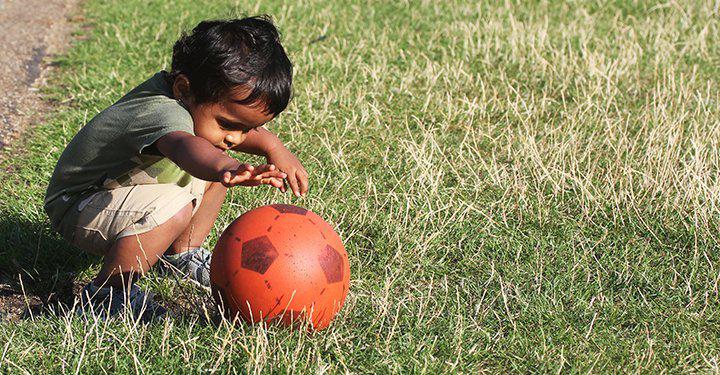
You can go for a basket of balls of various textures - soft and smooth, rough, spiky, spongy, sticky, hard, slippery, patterned, ridged, and so on. Playing with these balls will enhance your child's tactile development. As they squeeze, roll, and press each ball, they will feel the differences in the texture. And, when the balls are of different colors, they will aid visual discrimination. If you can have balls of different materials such as wood, sponge, rubber, plastic, metal, and so on, playing with them will help develop not only the sense of touch but also the auditory sense. This is because as they throw each ball the sound will be different. And, they will be able to relate the sound to the type of ball.
4. Finger foods

Give your toddler some finger foods like watermelon cubes, sliced carrots, or mashed potatoes, and let them play around with them. Finger foods can be a great item to stimulate sensory play in toddlers since they are naturally curious about the taste, texture, and shape of the foods they get to eat. They explore these sensory experiences by licking, smelling, or squishing the foods before they eat them. Finger foods help develop both their sense of touch as well as smell.
Sensory activities for preschoolers
Here is a list of sensory activities for preschoolers:
1. Water
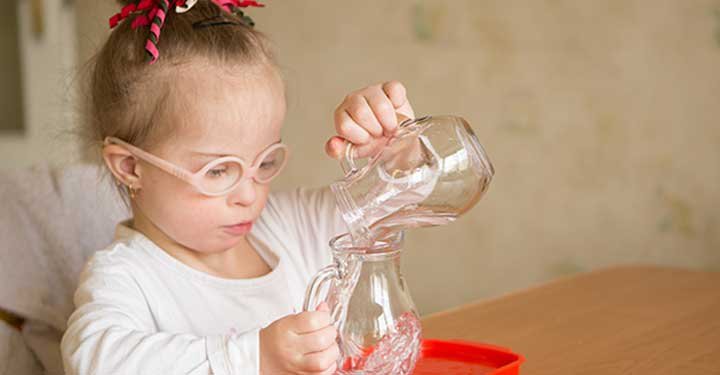
You can use water to teach your preschooler different concepts like hot and cold, less and more, or empty and full. You can give them two cups and allow them to pour the water from one to the other so that they discover the concept of volume. This action will also help improve their hand-eye coordination. Or, you can give them a small piece of wood and a coin, and ask them to drop both objects into the water. They will see that one sinks and the other floats.
2. Ice cubes
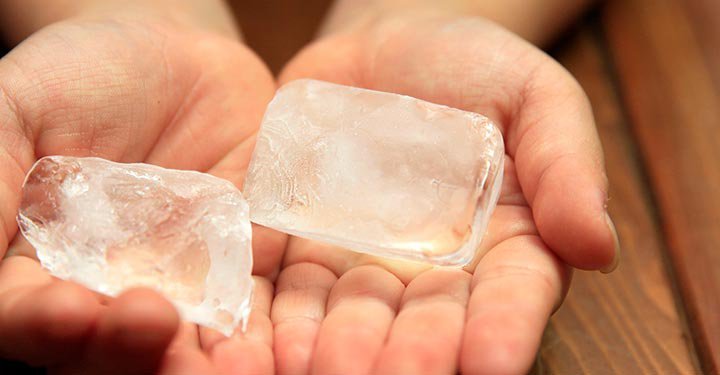
Playing with ice cubes can be a fun sensory experience for your preschooler. Trying to get a grip on the cold and slippery smooth surface of the ice cubes will benefit their fine motor skills. Take containers of various sizes and patterns, fill them with water, and place them in the freezer. Once frozen, your child can pull out these quirky-shaped ice cubes from the mold and play with them as they start to melt.
3. Spices
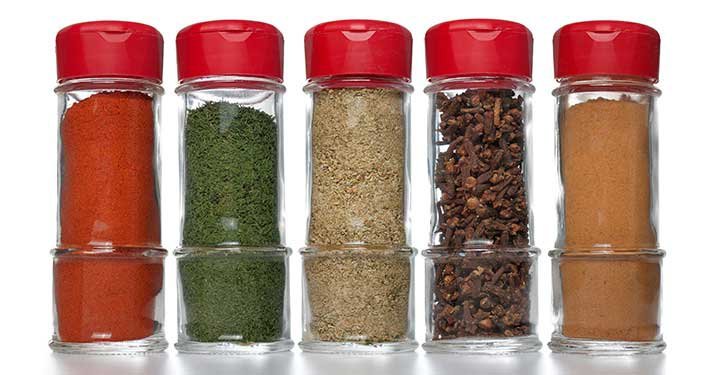
You can place various spices like cloves, cardamom, cinnamon, pepper, fenugreek, or coriander seeds in small containers with lids. Ask your child to shake each container and listen carefully to the distinctive sound each spice makes. You could also mix up a few of the spices and ask them to match the spices and place them in the correct container by using their sense of sight, smell, and touch. They will also get to learn that each element has its own fragrance and smells different.
4. Magic Box/Bag

You could hide a few objects or fruits familiar to the child in a closed bag. Ask your child to put their hand in, choose an item, and identify it just by touch. If it is an older child, you could blindfold them and ask them to identify the fruit by touch and smell. Or, you can place different things on their tongue like sugar, salt, lime, or a pickled vegetable, and ask them to pick out which is sweet, salty, sour, or pungent using their sense of taste.
As a parent, you can help your child explore, discover, and learn through these sensory experiences that can bring about enhanced development and functioning. If a toddler or preschooler's sensorimotor skills don't develop properly, it will affect their ability to function normally as the brain will be unable to smoothly process and appropriately respond to the information it receives. When a child cannot respond like their peers to stimuli from their environment, it will slow down their learning. This will manifest as frustration, bad behavior, and low tolerance levels. Weak coordination of movements, clumsiness, learning disabilities, and poor academic performance are also indicators of poor development of sensorimotor skills. Parents whose toddler or preschooler shows any of these signs should seek the advice of professionals who will help identify and compensate for these learning disabilities. They will assess the child's sensory skills and follow it up with supplementary exercises and activities that are essential for reinforcing the development of motor skills.
Seeing how important sensorimotor skills are to the development of your child's brain, make sure you give them every opportunity to hone these skills.
*Jeyalatha Martin is the Founder and Director of Jey Kids - a preschool in Chennai
The Dot Me and My World program for pre-primary children enables their cognitive and scientific thinking skills and higher order thinking abilities. The program also enhances their sensory development through stimulating learning experiences.
























Comments
Edit
Comment Flag
Cancel Update