
A Mother’s Inspiring Journey To Sustainable Living: Small Steps For A Greener Future
Kamana Gautam
What can I do to leave a better world for my kids? This question led me to implement small changes that are helping me live a sustainable lifestyle and reduce my environmental impact
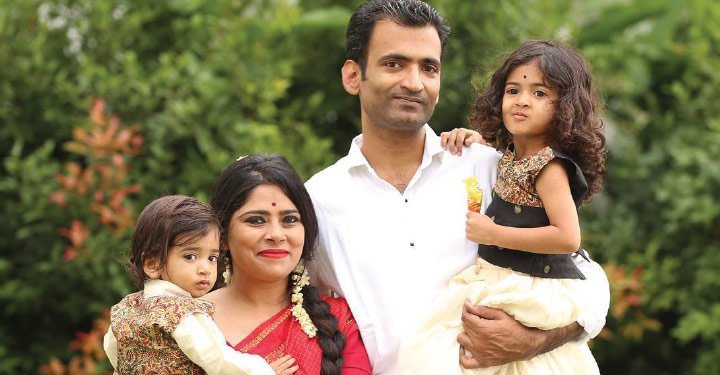
About six years ago, I began taking small steps to live sustainably. But why did I start living a sustainable life? Here's my story. Whenever I heard the news about air pollution, natural calamities like floods, lack of drinking water in homes, and the increasing use of chemicals in foods, I would feel sad and angry. Mostly, I would brush aside these feelings, telling myself that the system was at fault. I didn't realize that I was a part of the system and that the onus was on me to do something about it. I guess I realized this after I gave birth to my firstborn. My kids, who are almost 6 and 4.5 years old, deserve clean air and water. My concern for their future became the catalyst for change, and I found myself gravitating toward a sustainable lifestyle.
To function or to lead fulfilling lives, we humans don't need every product that is sold in the market. If we rewind to ancient times, we realize how our previous generations lived minimally, using limited resources to sustain themselves. Many people think that an environmentally friendly lifestyle is hard to sustain and expensive. But it is not so, as you can live sustainably and not spend a lot of money. Here are some ideas I am sharing, things that my family and I have done to lower our carbon footprint.
Water bottles and cutlery: Most of the disposable plastic bottles that we buy end up in landfills. Each bottle takes more than 500 years to decompose. When my family and I step out, we take our water bottles and refill them at restaurants or cafes. We bring our containers and biodegradable plates when ordering takeaways. Also, when I realized that the plastic straws we use for our drinks are equally harmful and contribute to climate change, we invested in good-quality steel straw bottles. We carry these bottles wherever we go, a one-time investment yielding lifelong benefits.
Reusable shopping bags: One of the biggest environmental hazards is plastic bags. You find them everywhere. After the government's ban on plastic bags, many retailers have replaced plastic bags with non-woven bags, which look like cloth bags but are made from polypropylene. These polypropylene bags are not great for the environment either because they are difficult to degrade. Cloth bags are the best. I always carry my cloth bag when shopping for groceries and vegetables. I also keep one extra bag in the car in case I forget to take a bag, or I need an extra one. (I would often forget to take my reusable bag to the store and would return home carrying stuff in my hands because I didn't want to use plastic bags!)
Waste segregation and composting: I am lucky to live in a community where people understand the importance of waste segregation. Because of my passion to learn more about waste segregation, I signed up to be a volunteer. Through house-to-house visits, I created awareness about waste segregation in our community. Now, all our dry waste goes for recycling. We are composting our domestic organic waste into green gold. I started composting in plastic buckets and terracotta pots and later invested money in a proper terracotta home composter that fits well on our balcony. If you have any questions about waste segregation, contact your municipal corporation. You will get all the information and help you want.
Sustainable menstrual hygiene products: Most disposable menstrual products can have a significant impact on the environment. According to the Menstrual Health Alliance India, one disposable sanitary pad takes 400 years to decompose. Sanitary pads are classified as biomedical waste and need appropriate disposal. I vividly remember how my mother would give me a folded, clean cotton cloth to use during my periods when I was young. I realize only now that it's an eco-friendly practice. Cloth pads are not bad for health. They need to be dried in sunlight, but that's something that doesn't happen because of the taboo around menstruation. I had used cloth pads for some time until I discovered menstrual cups. And wow, it's the most liberating experience of my life! One menstrual cup costs INR 500 to 1,000, and it can be used for 10 years. It's much more economical than disposable pads.
Saying No to disposable diapers: We used cloth diapers for our kids instead of disposable diapers. Cloth diapers are economical and can be reused. I also followed the elimination communication method with my kids, a gentle way to get children to use the potty from a very early age. So, my children were diaper-free sooner than their peers.
Preloved/Hand-me-down items: There's still a stigma attached to using secondhand items. This stops people from turning to preloved stuff, especially clothes. True, there are some good sustainable brands in the market now, but most people are not able to afford them due to their high prices. If you cannot afford sustainable brands, then you may try using preloved items. This is the easiest way to reduce your carbon footprint. There are so many platforms where you can get preloved clothes and books. For example, you could check out Facebook pages such as Preloved Baby Stuff India or Dariya Dil Dukaan if you want to give away stuff. Also, there are apps like This for That, where women can swap clothes, bags, or shoes. So, go ahead and explore the world of preloved stuff. And make sure you don't hide the fact from your child. Let them know that their toy is not new. The aim is to normalize the use of secondhand things so that the next generation is comfortable with the practice.
Dental hygiene: We switched our plastic toothbrushes to bamboo ones a few years ago. I was shocked to learn that the toothbrushes that I had used in my childhood would still be lying somewhere in a landfill. Bamboo toothbrushes don't cost a bomb nowadays. We also stock neem sticks and tooth powder just to give our kids a different experience. Our tooth powder is made of ash and salt. Many people make toothpaste at home with bentonite clay and coconut oil.
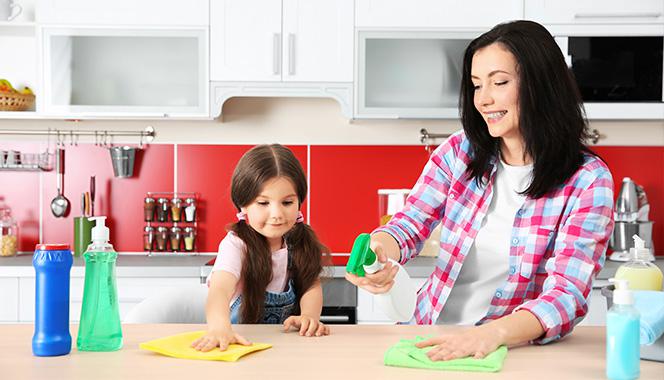
Homemade cleaners: I learned about something new from my networking groups four years ago—citrus enzyme cleaner. You can easily make this cleaner using just citrus peels, jaggery, and water. You can use this bio enzyme to clean your washroom, toilet, utensils, and clothes. It's a multipurpose cleaner that is eco-friendly, unlike store-bought cleaners that are loaded with chemicals and pollute our groundwater.
E-waste: E-waste is a big environmental hazard. To minimize e-waste, we started using rechargeable batteries instead of disposable ones.
Birthdays and other celebrations: The party industry is fast becoming a billion-dollar industry. Quite expected, it comes with a high environmental cost. Party decorations like balloons end up in landfills and do not decompose for years. To avoid this, we started using flower decorations for our kid's birthday parties. Also, we serve cakes and other foods on banana leaves. After the party, the decorations get composted. For my son's third birthday party, we requested our guests to bring preloved gifts, and later, we passed on those toys to other kids. Not just for birthdays but even for festivals, we opt for flower decorations, cow dung diyas, leftover fried oil for lighting lamps, and Ganesha idols made of clay.
Apart from these steps, there are many small steps we take:
- We avoid food wastage.
- I upcycle sarees into dresses.
- Instead of visiting malls, we opt for garden picnics and farms as much as we can. Of course, I'm not trying to say that one shouldn't visit malls at all.
- Before the pandemic, we carpooled to drop our kids to school.
- I try to buy stuff from local artisans and weavers as much as possible.
- We try to buy fruits and vegetables directly from farmers.
- We use eco-friendly products like coconut coir.
- We reuse the rejected water from the reverse osmosis (RO) system for washing clothes and mopping the floor.
I feel it's really important for us to help our kids develop gratitude for our planet. Other than daily activities and conversations around environment protection and responsibilities that we have with our kids, we read a lot of books to them that talk about sustainability, climate change, and biodiversity. They also watch documentaries about plastic hazards and other environmental problems. And I see a ray of hope when my kids ask questions such as:
- Why do people litter?
- Why do people use plastic?
- Why don't people use electric vehicles?
It makes me less worried about the future.
Here's hoping that we humans truly understand our relationship with nature! Instead of depleting the resources of our planet, let us help conserve these resources in small ways. As they say, "Be a part of nature, not apart from nature."
Kamana Gautam is a certified nutritionist, a lactation counselor, and a mother of two. She is an ambassador for sustainable living, breastfeeding, natural birthing, and babywearing.


















Comments
Edit
Comment Flag
Cancel Update