
FEATURED
Is Co-sleeping With Your Child Becoming A Cause Of Concern For You? Here's What You Could Do
Ashwin Lobo
Is sharing the bed with your child bothering you? Then, it may be time for her to begin sleeping on her own. Here's what can you do to help your child adapt to the change
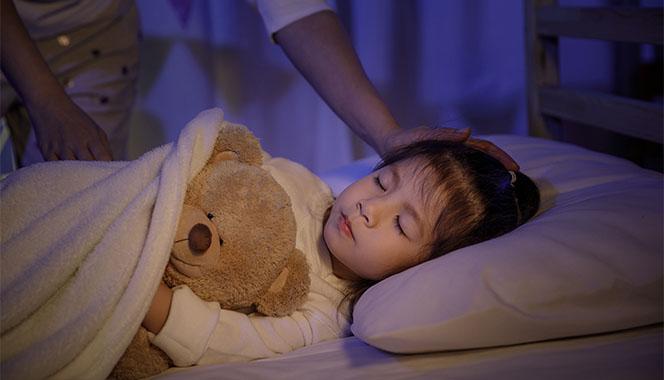
Sleep is essential for good physical and mental health, for children and adults. In many cultures around the world, it's common practice for children to share a bed with their parents for the first few years of their life. However, once children are a little older, they are encouraged to sleep separately. While some children eagerly take to the idea, some need a little prodding. But, there are a few children who take time to leave their parents' side. There are several reasons why children may want to continue being with their parents - for example, they may feel unprotected, scared, anxious or worried. However, bed-sharing with a child as she grows older might not be comfortable for the following reasons:
- When parents sleep late or wake up early, the child's sleep schedule is also disturbed. So, the child may not get enough sleep.
- Older children need more space. So, there may not be enough room for everyone on the same bed.
- The child may hear conversations between parents that are not age-appropriate.
- Parents too need to spend time with each other. That may not be possible when co-sleeping with an older child.
Therefore, parents should encourage their older child to begin sleeping in his own bed. Here are few things you can do to encourage him:
1. Explain reasons for the change: It is always a good idea to begin preparing a child ahead of introducing any change. Ask your child what she thinks about the change and the fears she may have about it. Help her face those fears with your empathy and support. Gradually, you can help her understand the positive aspects of sleeping on her own, such as having her own space, being able to decorate it and so on.
2. Provide emotional support: The thought of adjusting to a new situation always raises concerns. Children may even have their own reasons to explain why they are unwilling to sleep on their own. Although most of these reasons may sound silly to us, it is important that we listen carefully and address them. So, encourage your child to express his fears or worries about sleeping alone. Speaking to him will help you understand his concerns and reassure him. This will build your child's trust in you.
3. Develop a bedtime routine: Bedtime rituals go a long way in fostering healthy sleeping habits. The rituals should be relaxing and follow the same sequence regularly. Here is what you can do to develop a bedtime routine: Choose a time for your child to go to sleep and stick to it. Make sure he has changed into his nightclothes, brushed his teeth, and gone to the bathroom before he lies down. Sit by his beside to read him a story or let him read on his own. When the story is over or you see that he is drowsy, hug him, say goodnight and leave the room.
4. Appreciate the habit: A word of appreciation can work wonders. Acknowledge your child's determination during the time she takes to adapt to the change. This will provide her with much-needed motivation and boost her sense of self-belief.
5. Set bedtime rules: Once your child has settled down to sleeping separately, set bedtime rules to help her understand what you expect from her once she is in bed. Some of the rules you can frame are:
- Switch off the light before falling asleep
- Stay in bed after bedtime
Involve your child in framing the rules and help her adjust to them. For example, if your child wants to keep the light on, tell her that you will help her sleep without the light. Or, you could set up a nightlight in the room.
Parenting is not only about taking care of children, but also about teaching them to take care of themselves. As parents, our goal should be to help our children feel confident and safe, and become self-reliant. Teaching our children to sleep alone is a step in this direction.
Ensuring that kindergarten students understand the importance of rest and sleep is a crucial aspect of The Dot health and safety program. Children learn about the benefits of adequate sleep and how it contributes to their overall health and ability to learn and play effectively.

























Comments
Edit
Comment Flag
Cancel Update